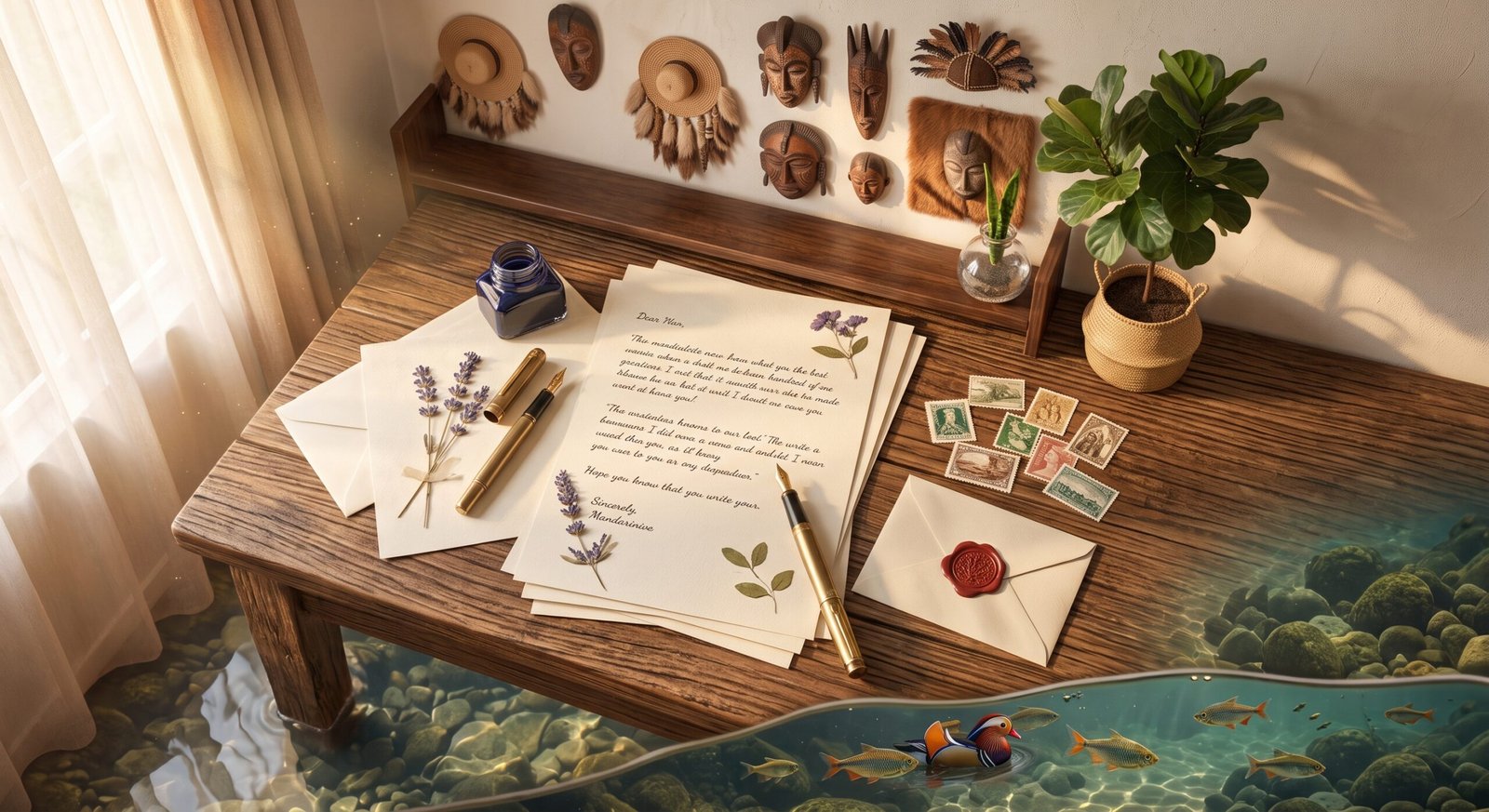
In an era dominated by ephemeral direct messages, algorithmic notifications, and AI-generated text, a quiet cultural rebellion is underway. The snail mail renaissance is sweeping through Gen Z and Millennial culture as young people deliberately trade instant digital communication for the tactile, slow ritual of pen and paper.
Far from being a fleeting wave of vintage nostalgia, sending physical letters represents a proactive search for authenticity and mental presence. By embracing physical envelopes, wax seals, and long-form journaling, younger generations are actively reclaiming focus, creating tangible keepsakes, and deepening interpersonal relationships outside the surveillance of digital platforms.
Key Takeaways
- Combating Digital and Screen Fatigue: Swapping high-velocity group chats for handwritten correspondence provides a restorative, single-tasking break for the nervous system.
- Valuing Tangible Effort and Friction: Unlike instant messaging, a physical letter requires intentional time, material selection, and deliberate thought, making it deeply personal.
- The Rise of Analog Stationery Communities: Mail clubs, pen-pal platforms, and creative envelope art (mail art) have transformed letter writing into an expressive craft hobby.
- Privacy Outside the Algorithm: Physical letters offer an entirely unmonitored space for personal expression, free from tracking, data harvesting, and push alerts.
1. Beyond Nostalgia: Why the Analog Shift Is Happening Now
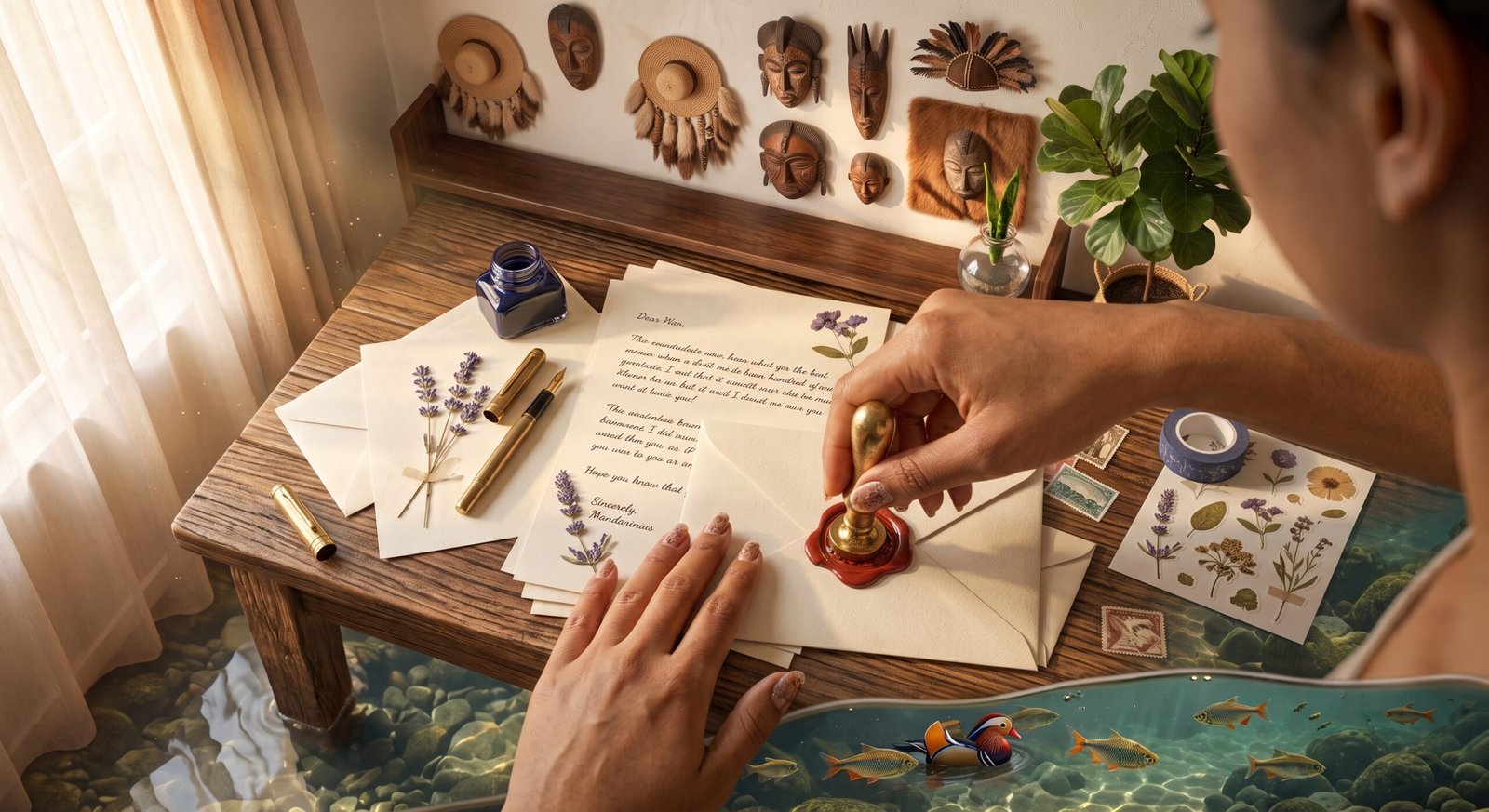
The resurgence of handwritten correspondence is driven by structural shifts in how we interact with modern technology.
- Intentional Friction: Digital communication is nearly frictionless, which often makes it disposable and forgotten. Physical mail reintroduces intentional friction—choosing stationery, drafting words without an undo button, and walking to a collection box.
- Single-Tasking as Mindfulness: Writing longhand engages fine motor skills and demands undivided attention, creating a meditative state that calms hyperactive digital habits.
- Tangible Ownership: In an economy where music, media, and conversations exist only on cloud servers, a handwritten note is a permanent physical artifact that can be kept in a memory box for decades.
2. Digital Fatigue vs. The Tactile Appeal of Snail Mail
Examining the emotional and psychological contrast between digital pings and analog mail reveals why this revival continues to expand.
| Feature / Aspect | Instant Messaging & DMs | Snail Mail & Handwritten Letters |
| Pace of Interaction | Immediate, constant, and high-pressure | Deliberate, delayed, and unhurried |
| Cognitive Load | Fragmented attention and notification overload | Focused, mindful, and single-task oriented |
| Longevity & Storage | Easily buried, deleted, or lost in chat logs | Tangible, archival keepsake preserved in real life |
| Sensory Experience | Flat glass screen and uniform digital typography | Textured cotton paper, ink sheen, and unique handwriting |
| Social Expectation | Pressure for rapid or instant responses | Zero urgency; deep appreciation upon delivery |
3. Creative Tools Fueling the Modern Stationery Scene
The visual aesthetics of modern postal culture have made letter writing an engaging artistic outlet.
Artisanal Papers and Inks
Enthusiasts prioritize deckle-edge cotton rag papers, fountain pens with shimmer and shading inks, and fountain-pen-friendly notebook liners that enhance the fluid movement of the nib.
Mail Art and Botanical Wax Seals
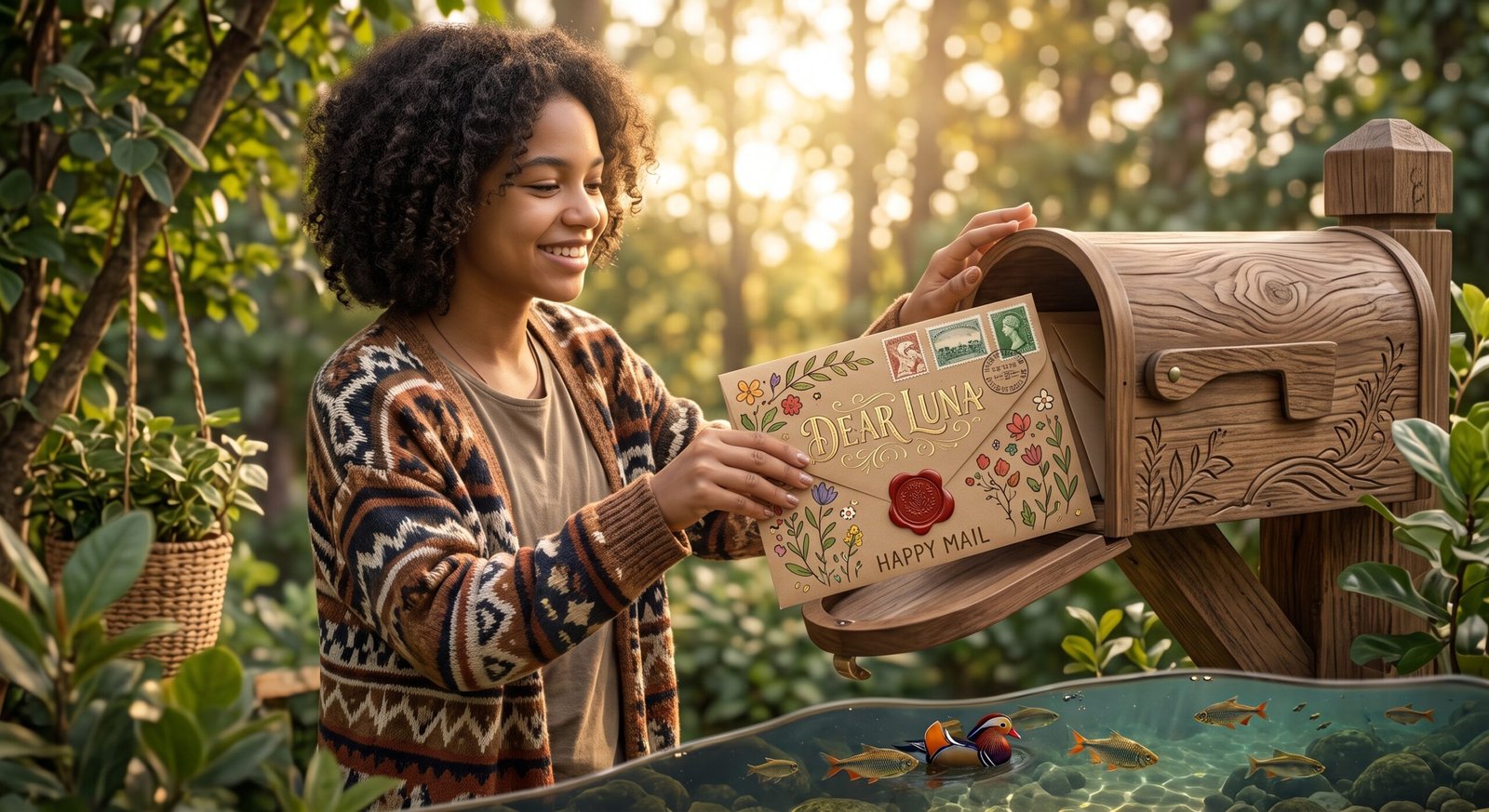
Envelopes are treated as mini canvases. Decorating postal mail with curated vintage stamps, pressed botanicals, washi tape borders, and embossed wax seals turns ordinary correspondence into a personalized gift.
4. Beginner Steps to Build a Rewarding Letter-Writing Ritual
- Start with a Low-Pressure Recipient: Write a short update or thank-you note to a long-distance friend, grandparent, or sibling.
- Curate a Basic Stationery Kit: Keep a quality pen, a pad of heavy fountain-pen-friendly paper, envelopes, and a book of stamps together in a designated box.
- Set a 15-Minute Timer: Remove the intimidation of writing a lengthy essay by dedicating just 15 minutes of uninterrupted focus to a single page.
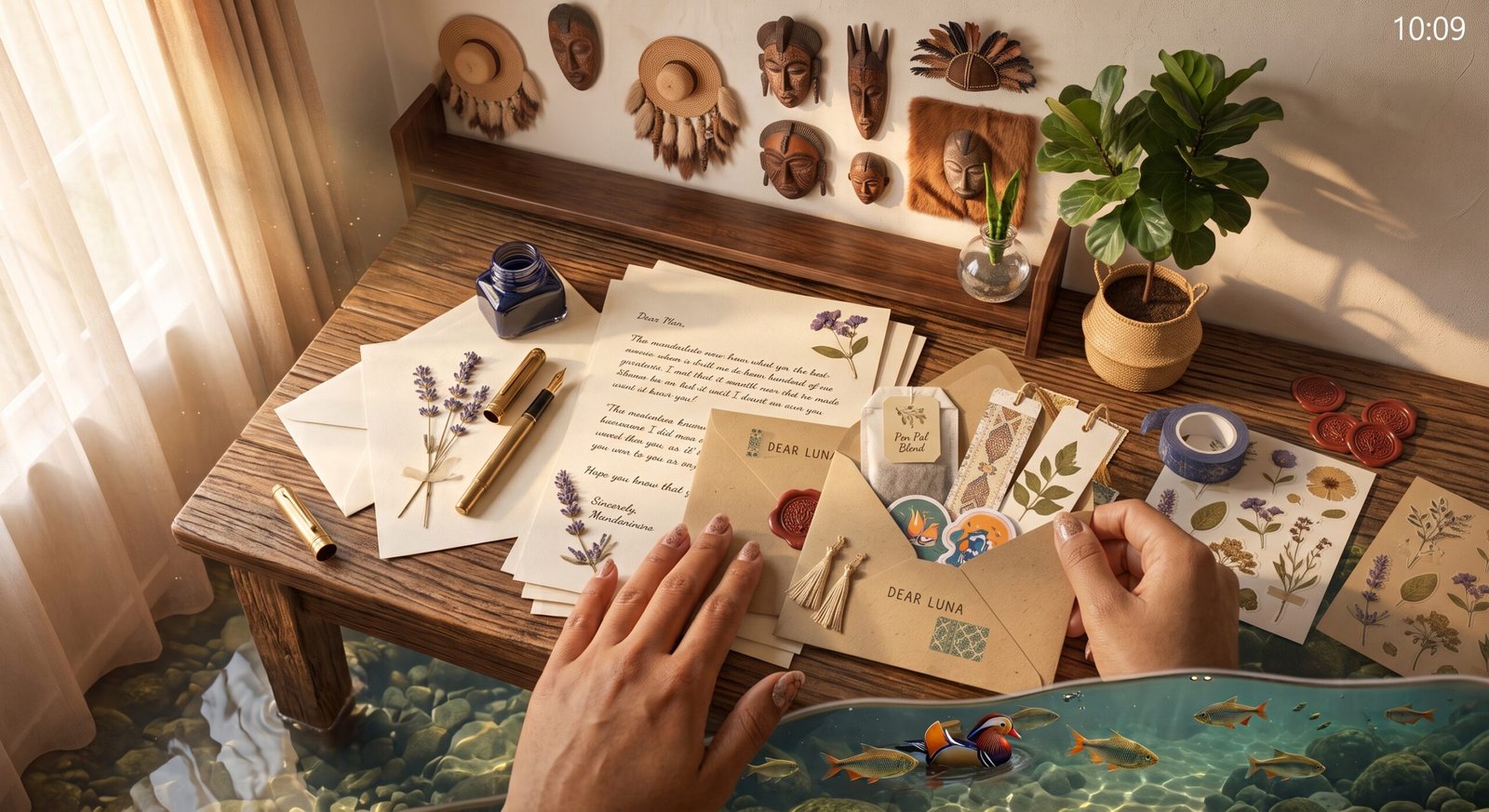
- Join a Curated Mail Circle: Explore organized pen-pal networks or local letter-writing clubs to exchange thoughtful notes with global writers.
- Drop It in the Post: Embrace natural handwriting imperfections without rewriting pages, seal the envelope, and drop it in your nearest mailbox.
Frequently Asked Questions
Why are Gen Z and Millennials driving the snail mail renaissance?
Digital natives spend much of their work and social lives staring at screens. Letter writing offers a tangible, screen-free creative outlet that allows for deeper emotional vulnerability and deliberate human connection.
What is the best type of paper for handwritten letters?
Heavyweight cotton paper (around 90 to 120 GSM) is ideal. It prevents fountain pen ink from feathering or bleeding through the page and provides a satisfying, premium tactile texture.
How do I find a safe pen pal to write to?
You can connect with global writers through vetted pen-pal platforms, global postcard exchange communities like Postcrossing, or local creative stationery clubs that match verified members.
The growing snail mail renaissance proves that while technology makes everyday communication faster, it cannot replace the heartfelt intention behind the written word. Picking up a pen, sealing an envelope, and sending words across distances remains one of the most grounding, personal gifts you can offer in our fast-paced world.
1 thought on “Snail Mail Renaissance: Why Youth Write Letters Today”