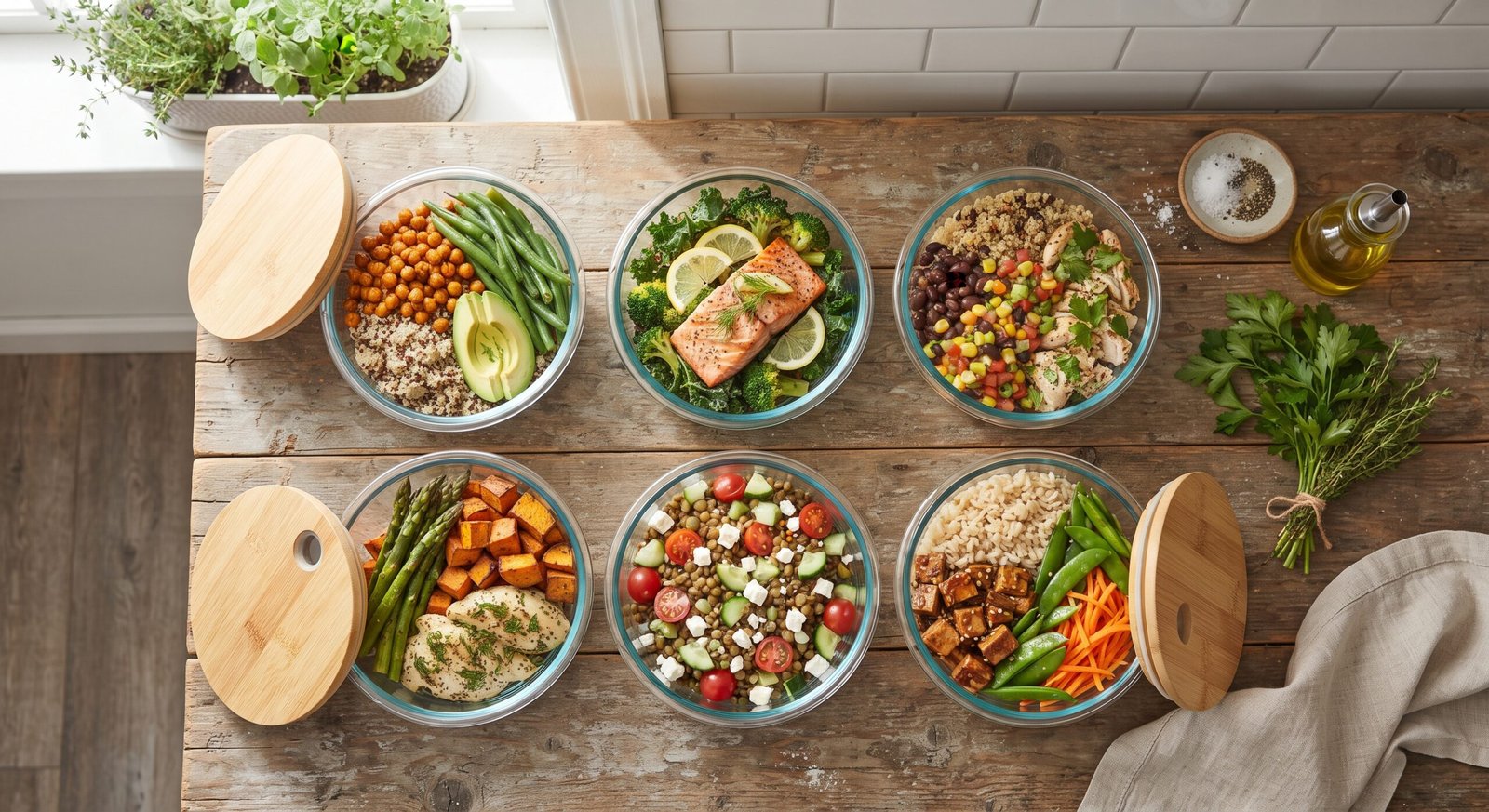
Adopting a tailored nutritional plan often feels overwhelming when confronted with conflicting advice, social dining challenges, and hidden ingredients. Whether driven by clinical requirements like celiac disease, metabolic targets, or ethical convictions, managing special diets successfully requires a structured, nutrient-focused strategy rather than restrictive guesswork.
A sustainable dietary pattern does not rely on heavily processed “diet” substitutes that compromise taste and satiety. Instead, modern approaches emphasize whole-food foundational ingredients, culinary adaptation techniques, and micronutrient monitoring. With the right systems in place, special diets can expand your culinary repertoire rather than shrink it.
Key Takeaways
- Prioritize Nutrient Density Over Commercial Substitutes: Packaged specialty foods often swap target allergens for refined starches, gums, and excess sodium.
- Identify Inadvertent Nutrient Deficiencies: Targeted restrictions require deliberate supplementation or fortified whole foods to protect against vitamin $B_{12}$, iron, calcium, and zinc deficits.
- Establish Cross-Contamination Boundaries: For autoimmune or severe allergy-driven diets, kitchen sanitization and dedicated prep stations are critical.
- Build Modular Meal Frameworks: Cooking around interchangeable components allows households with diverse dietary needs to share the same base meal effortlessly.
Comparative Framework: Core Protocols Across Modern Special Diets
Understanding the fundamental parameters of major dietary regimens clarifies meal assembly and prevents nutritional pitfalls.
| Dietary Protocol | Primary Restrictions | Key Nutrient Watchpoints | Best Foundational Foods |
| Gluten-Free (Celiac/NCGS) | Wheat, barley, rye, triticale, non-certified oats | B-vitamins, iron, dietary fiber | Buckwheat, brown rice, quinoa, millet |
| Ketogenic / Low-Carb | Starchy vegetables, grains, high-sugar fruits | Electrolytes (sodium, potassium, magnesium) | Avocado, eggs, fatty fish, brassica greens |
| Plant-Based / Vegan | All animal proteins, dairy, eggs, honey | Vitamin $B_{12}$, vitamin D, omega-3 , zinc | Legumes, tempeh, hemp hearts, nutritional yeast |
| Low-FODMAP | Fermentable oligosaccharides, disaccharides, polyols | Prebiotic fiber, gut microbiome diversity | Firm tofu, carrots, zucchini, gluten-free grains |

3 Essential Pillars for Maintaining Special Diets Long-Term
Adhering to dietary adjustments requires operational systems that integrate into daily life without causing social isolation or nutritional burnout.
1. The Modular Cooking Method
Cooking entirely separate dinners for family members on different eating plans leads to swift fatigue. Instead, build meals around universal neutral bases:
- The Universal Foundation: Roast sheet pans of seasoned seasonal vegetables (broccoli, zucchini, red onions) and cook a pot of neutral grains like quinoa or jasmine rice.
- Segmented Proteins: Prepare one plant-based protein (such as crispy spiced lentils or marinated tempeh) alongside one animal-based protein (such as grilled poultry or wild-caught fish).
- Customizable Dressings: Keep dairy-free vinaigrettes, tahini sauces, or cultured dairy dressings in separate glass bottles so diners can customize fat and dairy intake at the table.
2. Reading Labels for Covert Allergens and Additives
Managing Dining Out and Social Scenarios
Social gatherings and restaurant visits represent the primary friction point for individuals on special diets. Strategic communication and preparation prevent accidental exposure and social discomfort:

- Preview Menus and Call Off-Peak: Review digital menus ahead of time, then telephone the kitchen between 2:00 PM and 4:30 PM (between lunch and dinner rushes) when culinary staff have time to discuss specific allergen protocols.
- Formulate Clear, Direct Inquiries: Ask specific questions regarding oil usage, shared fryer vats, and sauce stabilizers rather than broad inquiries like “Is this dish healthy?”
- Contribute a Universal Dish: When attending private gatherings, bring an elevated main dish that conforms to your personal dietary boundaries while appealing broadly to other guests.
Cultivating Nutritional Resilience
Successfully navigating special diets is not about rigid restriction; it is an exercise in intentional nourishment. By understanding the metabolic and biochemical roles of your food, sourcing whole ingredients, and mastering modular prep routines, you eliminate kitchen anxiety. A well-designed dietary approach delivers balanced vitality, sustained energy, and genuine culinary enjoyment every day.

Frequently Asked Questions About Special Diets
What are the most common nutritional gaps in special diets?
Plant-based patterns frequently lack adequate vitamin , bioavailable iron, and long-chain omega-3 fatty acids. Grain-free and strict ketogenic approaches often reduce total dietary fiber and electrolyte intake, while dairy-free diets require deliberate inclusion of calcium-rich leafy greens, sesame seeds, and fortified bone-support alternatives.
How do I distinguish between a food allergy, an intolerance, and a preference?
An allergy triggers an immediate immune system response that can be life-threatening (such as IgE-mediated anaphylaxis). An intolerance primarily involves metabolic digestive limitations (like a lack of the lactase enzyme to process dairy sugars). A dietary preference represents an intentional lifestyle choice without immediate immunological or acute enzymatic consequences.
Can whole foods replace commercial gluten-free products effectively?
Yes. Naturally gluten-free whole grains such as quinoa, buckwheat, wild rice, and millet provide far higher micronutrient density, dietary fiber, and protein than hyper-processed gluten-free substitutes that rely primarily on corn starch, white rice flour, and tapioca starch.
1 thought on “Navigating Special Diets: Complete Nutrition Guide”