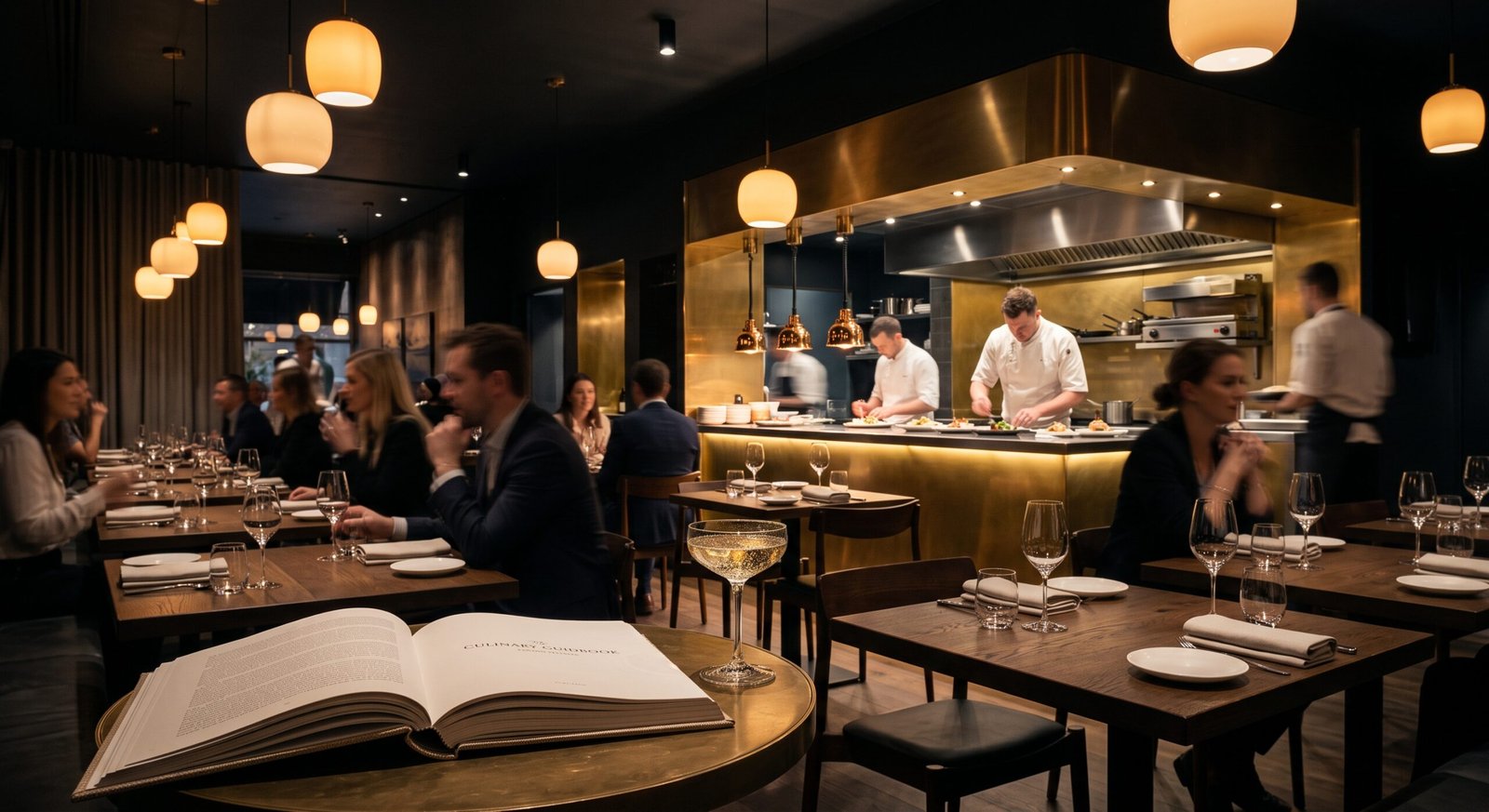
Navigating a city’s culinary landscape can quickly devolve into decision fatigue. With thousands of conflicting crowd-sourced reviews, algorithmic social feeds, and sponsored influencer posts, finding genuine culinary excellence requires a methodical approach. Reliable restaurant guides bridge the gap between superficial hype and authentic gastronomic value, directing diners toward venues where culinary technique, hospitality, and ingredient integrity take precedence.
Whether you are seeking hyper-local neighborhood gems, iconic heritage institutions, or cutting-edge tasting menus, mastering how to evaluate curated restaurant guides transforms the way you travel and dine. By understanding the methodology behind reliable recommendations, you protect both your time and dining budget while experiencing the true essence of a city’s food culture.
Key Takeaways
- Look for Transparent Editorial Standards: High-authority dining directories rely on anonymous inspections, recurring visits, and zero financial kickbacks from restaurant owners.
- Filter Beyond Aggregated Star Ratings: Crowd-sourced platforms frequently reward high volume and aesthetic gimmicks over kitchen execution, culinary balance, and service consistency.
- Identify Micro-Regional Specialties: The most effective dining curators focus on neighborhood-specific culinary heritage rather than broad city-wide compilations.
- Learn the Release Windows for Bookings: High-demand reservations operate on strict digital release schedules that require calendar precision and waitlist management.
The Anatomy of an Authoritative Dining Directory
Not all recommendations offer equal merit. Discerning food enthusiasts evaluate restaurant guides based on their curation rigor and independence.
| Curation Model | Primary Advantage | Inherent Limitation | Ideal Scenario |
| Anonymous Critic Guides | Impartial evaluation without comped meals | Slower refresh rates on emerging restaurants | Milestone dinners & fine dining |
| Chef & Industry Compilations | Direct insight into technique and sourcing | May favor personal networks and peer alliances | Late-night eats & off-duty spots |
| Neighborhood Food Journalists | Hyper-localized, deep historical context | Narrow geographic scope per review | Discovering authentic regional specialties |
| Crowd-Sourced Review Platforms | High volume of recent operational data | Susceptible to review manipulation and subjective complaints | Checking hours, patio seating, & parking |
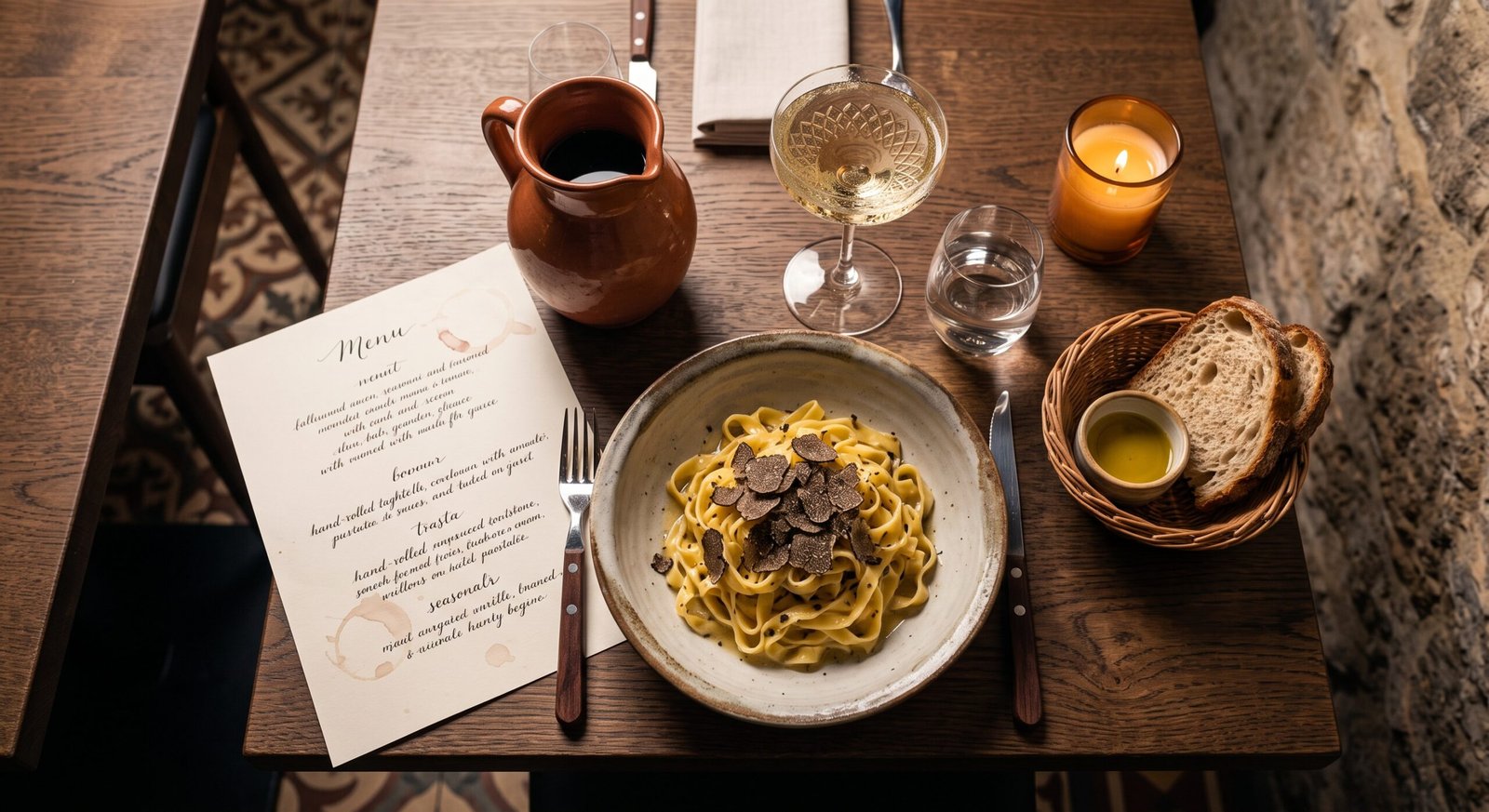
3 Pillars for Spotting Authentic Culinary Gems
The best restaurant guides train your palate to recognize red flags and positive indicators before you ever make a reservation.
1. The Compact, Seasonal Menu Rule
A menu spanning multiple regional cuisines or exceeding forty distinct entrees signals reliance on commercial freezer components and heavy prep shortcuts. Conversely, kitchens that run tightly focused menus of 10 to 14 seasonal dishes indicate high ingredient turnover, zero waste-driven reheating, and disciplined scratch cooking.
2. Sourcing Transparency and Ingredient Pedigree
Look for menus that credit local purveyors, heritage grain millers, and specific fishermen. Sourcing transparency proves that the kitchen invests heavily in foundational raw ingredients, allowing minimal, precise cooking techniques to showcase true flavor.
3. Kitchen Station Specialization
Elite dining guides frequently highlight restaurants centered around a single craft:
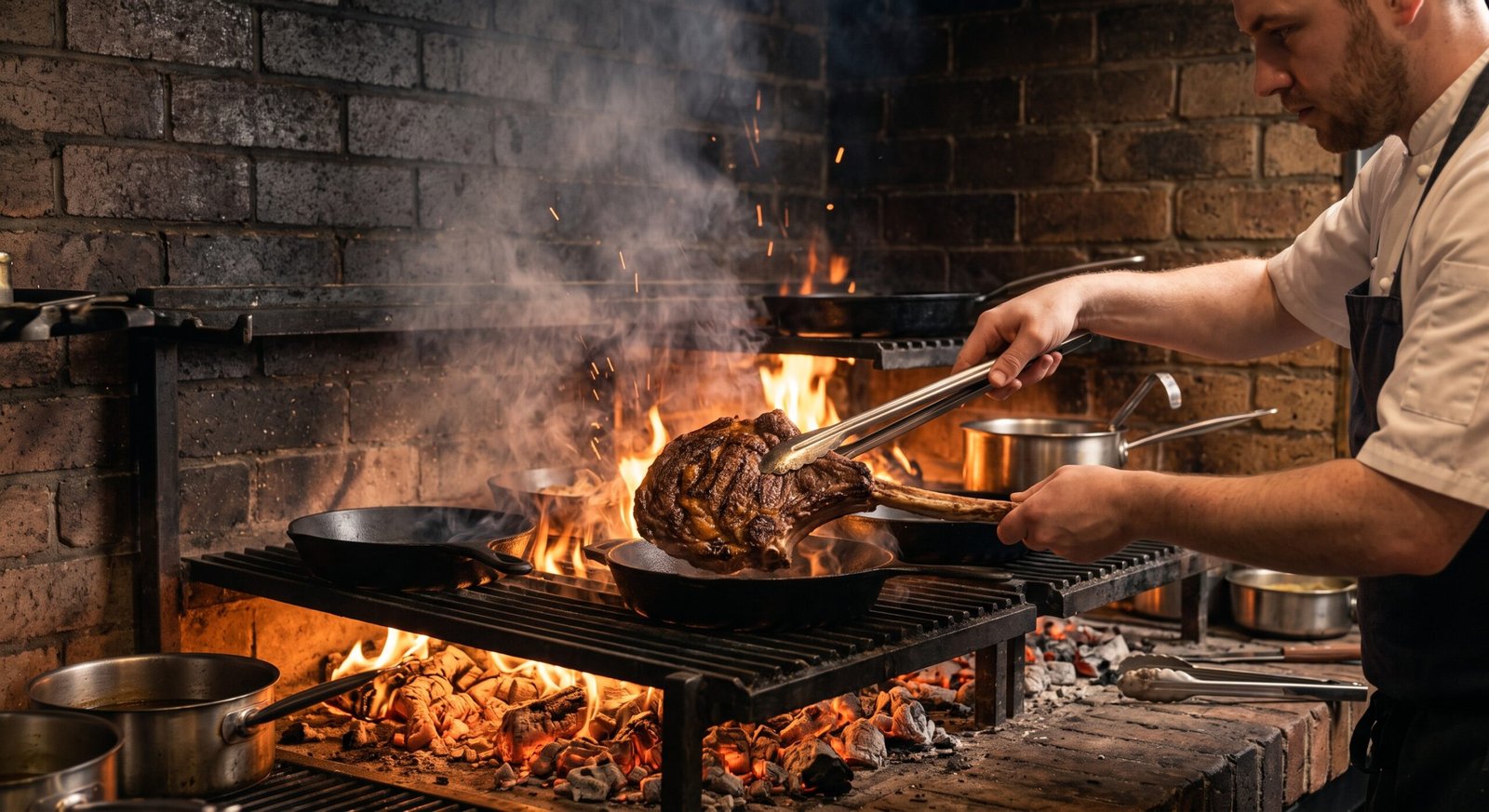
- The Wood-Fired Hearth: Restaurants using open-fire cooking where ash, smoke, and varying charcoal temperatures dictate the menu.
- Whole-Animal Butchery: Kitchens that incorporate secondary cuts into house-cured charcuterie, rich broths, and confit preparations.
- Fermentation Programs: Establishments that develop bespoke misos, vinegars, and garums to season dishes with signature complexity.
Reservation Tactics: How to Secure High-Demand Tables
Discovering a stellar restaurant is only half the battle; securing a seat is often the greater obstacle. High-traffic restaurant guides routinely trigger booking surges. Use these tactical methods to secure coveted reservations:
- Map Platform Release Schedules: Major reservation platforms release inventory on fixed schedules—typically 14, 30, or 60 days in advance at midnight or 9:00 AM local time. Synchronize your account credentials and payment cards in advance.
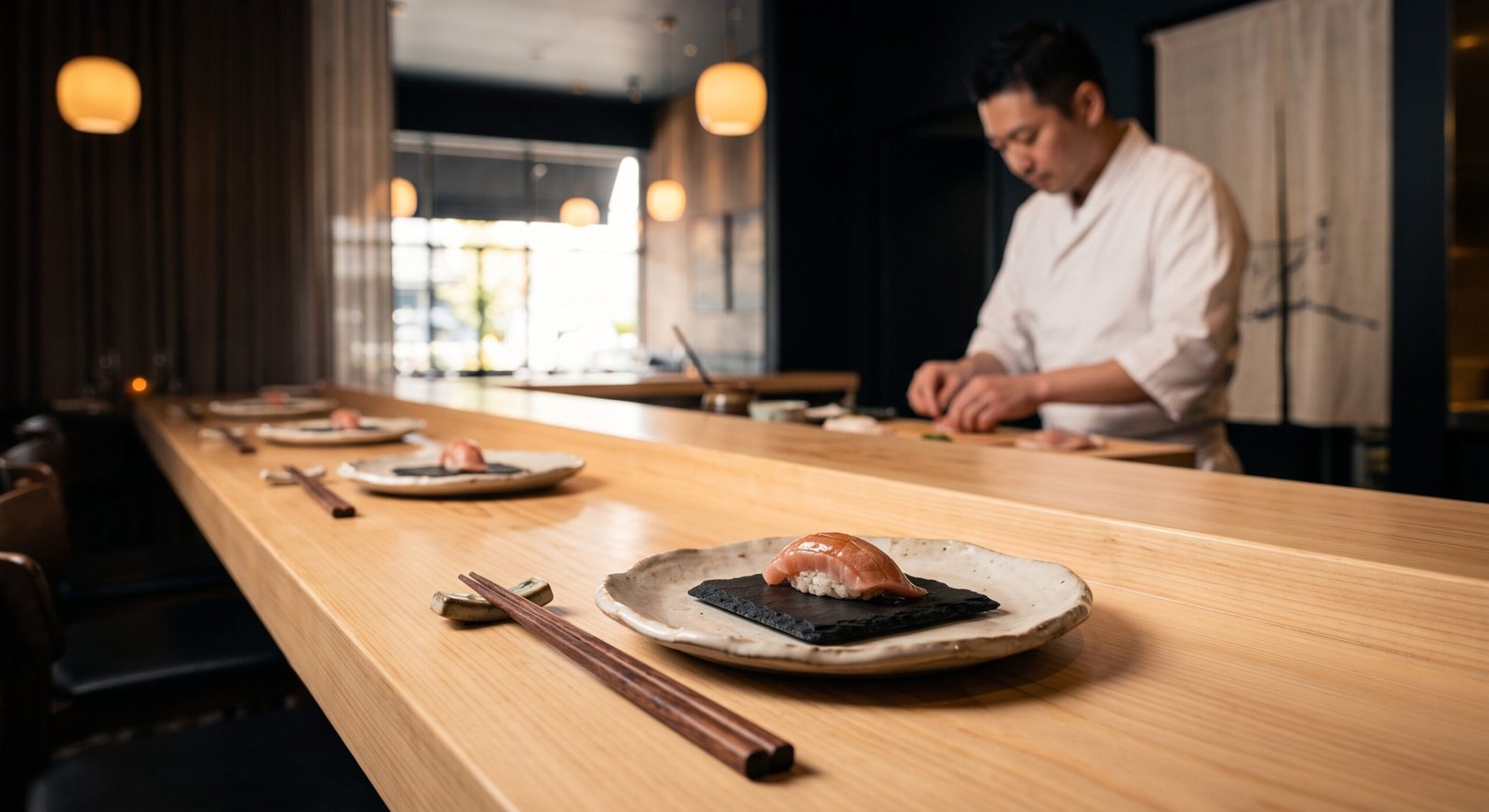
- Target the Counter and Bar Seats: Most top-tier venues reserve bar stools and chef counter seats for walk-ins. Arrive 15 to 20 minutes before doors open for immediate seating without a reservation.
- Leverage the 24-Hour Cancellation Window: Modern cancellation penalties trigger 24 to 48 hours before the reservation date. Set automatic notifications on reservation platforms to snag prime seats surrendered by late cancellations.
Curating Your Personal Dining Roster
A truly useful restaurant guide functions as a starting point rather than an unchangeable script. When exploring a city’s culinary scene, combine structured editorial recommendations with spontaneous neighborhood exploration. By identifying kitchen craft, reading beyond internet hype, and using methodical booking strategies, you cultivate dining experiences that linger long after the final course is cleared.
Frequently Asked Questions About Restaurant Guides
How do modern restaurant guides differ from online review sites?
Editorial restaurant guides employ professional food writers and anonymous critics who evaluate kitchens based on culinary technique, balance, ambiance, and service standards. User-generated platforms aggregate subjective consumer opinions that often reflect customer service disputes or parking availability rather than culinary execution.
What is the best way to find hidden gem restaurants in a new city?
Seek out neighborhood-specific dining publications written by local residents. Additionally, ask coffee roasters, independent wine shop staff, and line cooks where they eat on their days off, as culinary industry workers consistently patronize authentic, high-value kitchens.
Why do some highly rated restaurants disappoint?
Algorithmic social platforms often amplify visually appealing or theatrical dishes that photograph well but lack balanced seasoning or proper execution. Cross-referencing viral locations with vetted culinary guides filters out superficial trends in favor of authentic flavor.
1 thought on “Restaurant Guides: Complete Diner Blueprint for Food”