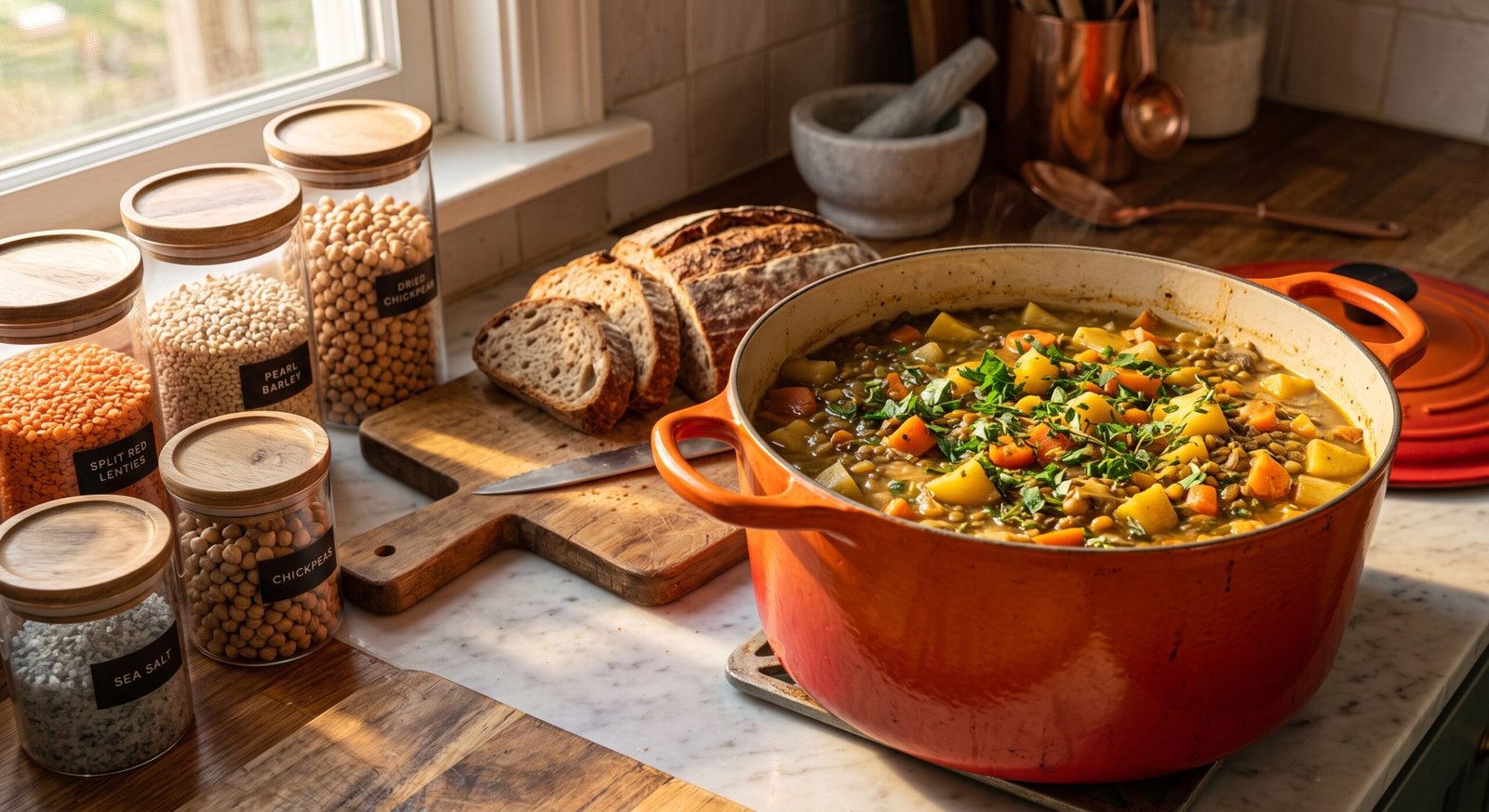
Cooking well on a modest income is not an exercise in deprivation. True budget cooking is a disciplined culinary skill that combines smart procurement, foundational kitchen techniques, and efficient ingredient preservation. Rather than settling for bland, processed shortcuts, learning to cook strategically allows you to transform inexpensive staple ingredients into nutrient-dense, restaurant-quality dishes.
By shifting your mindset from reactive meal-to-meal purchases toward deliberate pantry management and high-yield prep, you take complete control of your monthly food costs. Modern budget cooking maximizes flavor extraction, minimizes food waste, and simplifies your everyday routine.
Key Takeaways
- Pantry-First Planning: Build your weekly meals around high-nutrition, low-cost dried legumes, whole grains, and seasonal roots rather than starting with expensive proteins.
- Master High-Yield Batch Preparation: Preparing double batches of versatile building blocks—such as roasted mirepoix or seasoned braised beans—reduces cooking fuel costs and weeknight takeout temptation.
- Technique Drives Flavor: Simple culinary principles like fond deglazing, dry-toasting whole spices, and acid balancing turn economical staples into vibrant meals.
- Zero-Waste Asset Management: Kitchen trimmings, cheese rinds, and vegetable peelings serve as valuable bases for nutrient-rich homemade stocks.
Building a Resilient, Cost-Effective Pantry
A reliable pantry is the backbone of budget cooking. Purchasing unbranded, minimally processed staples in bulk significantly lowers the price per serving while giving you endless dinner flexibility.
| Pantry Category | Cost-Efficient Essentials | Culinary Role | Storage Lifespan |
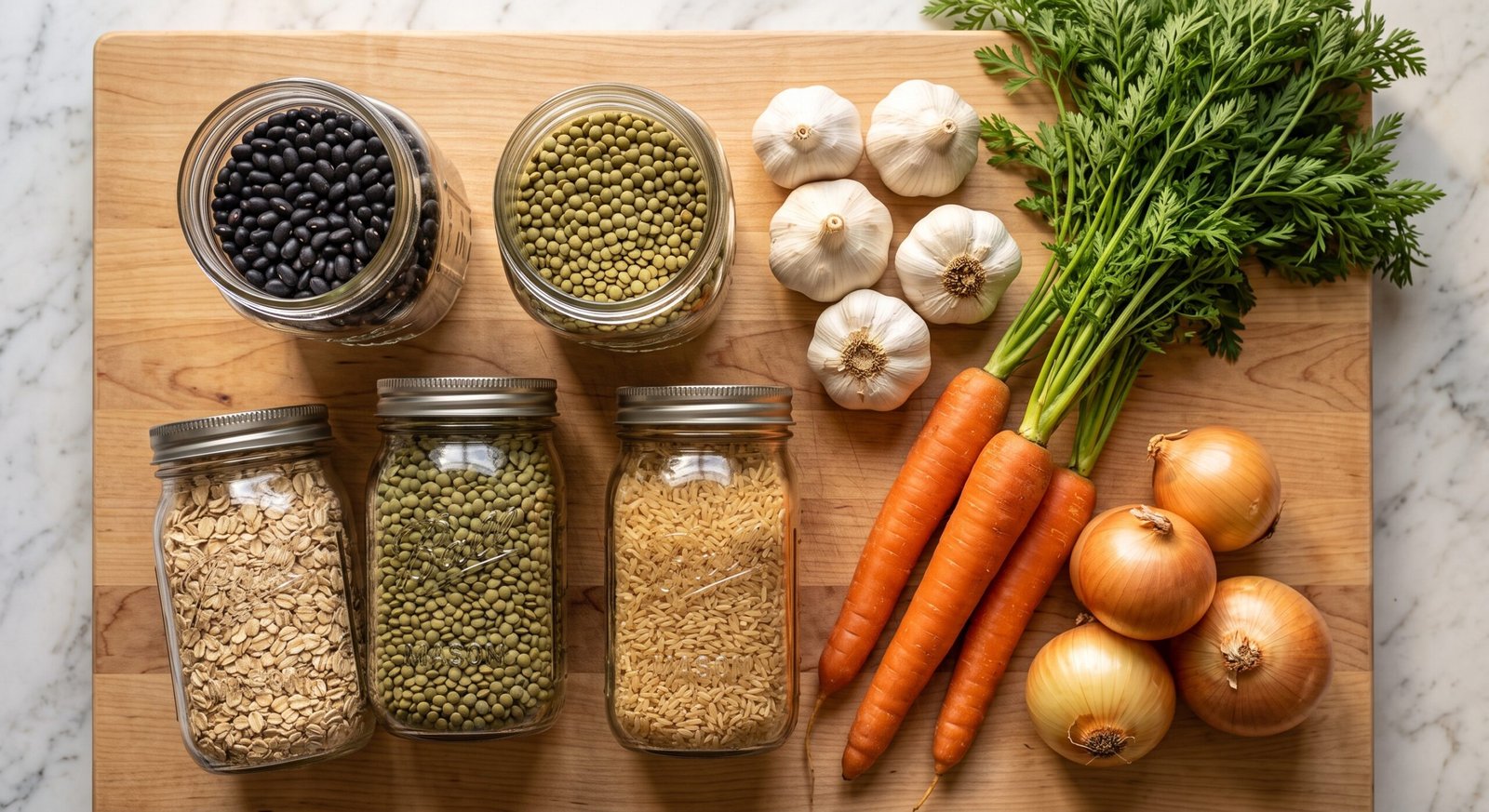
| Legumes & Pulses | Brown lentils, chickpeas, black beans | High-protein stew bases, dips, patties | 12–24 months (dry) |
| Whole Grains | Rolled oats, jasmine rice, pearl barley | Complex carbohydrate bowls, pilafs, risottos | 12–18 months |
| Aromatic Foundations | Yellow onions, garlic, carrots, celery | The savory aromatic base (mirepoix / sofrito) | 3–6 weeks (cool/dry) |
| Flavor Amplifiers | Tomato paste, soy sauce, whole cumin, apple cider vinegar | Umami enhancement and balanced acidity | 6–12 months |
Culinary Techniques That Maximize Cheap Ingredients
Cheap ingredients taste remarkable when prepared with proper heat management and seasoning techniques. Budget cooking succeeds through flavor extraction:
1. Developing Fond and Strategic Deglazing
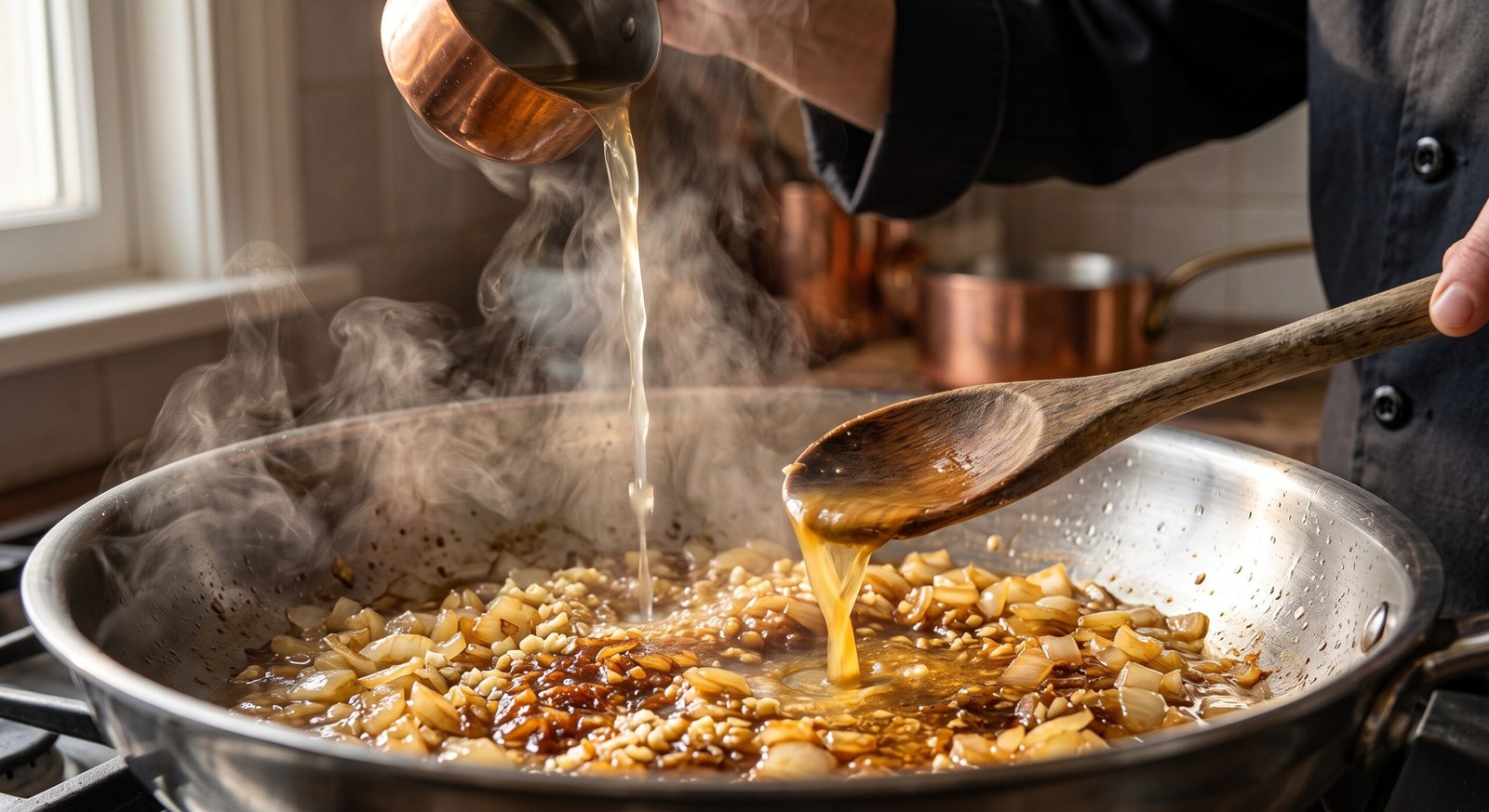
Never rush the browning phase. When onions, mushrooms, or inexpensive cuts of meat cook in a hot pan, they leave behind browned protein and sugar residues called fond. Deglazing these caramelized bits with a splash of water, broth, or vinegar reincorporates concentrated umami back into your sauces and braises.
2. Blooming Whole and Ground Spices
Pre-ground spices often lose their aromatic oils when sitting in grocery aisles. Blooming your dried spices in warm oil or butter for 45 to 60 seconds before adding liquids wakes up dormant essential oils, turning a simple pot of budget cooking beans into a deeply aromatic curry or chili.
The Zero-Waste Kitchen: Turning Scraps into Assets
Food waste represents discarded money. Establishing a closed-loop system in your kitchen immediately reduces your grocery receipts:
- The Freezer Stock Bag: Keep a reusable silicone bag in your freezer to collect carrot tops, onion skins, celery ends, mushroom stems, and herb sprigs. Once full, simmer the scraps with water for 45 minutes to produce a free, rich vegetable stock.
- Reviving Stale Bread: Never discard hard loaves. Pulse dry crusts in a food processor for homemade breadcrumbs, or toss cubed bread with olive oil, salt, and garlic to bake crunchy salad croutons.
- Saving Hard Cheese Rinds: Store leftover Parmesan rinds in the freezer. Tossing a rind into simmering minestrone, marinara, or bean soups melts savory glutamates directly into the broth.
Smarter Shopping Tactics for the Modern Cook
Navigating modern supermarket aisles requires strategic restraint:
- Shop the Perimeter and Ethnic Markets: Center aisles generally house high-margin processed products. Independent international grocers typically offer dried spices, fresh produce, and legumes at a fraction of major supermarket prices.
- Prioritize Frozen Vegetables: Frozen peas, spinach, and sweet corn are flash-frozen at peak nutritional ripeness. They prevent spoilage losses and eliminate peeling, washing, and chopping prep time.
- Calculate Cost per Calorie and Gram of Protein: Evaluate purchases based on usable food weight rather than sticker price. Whole chickens, dried pulses, and bulk eggs consistently outrank pre-cut poultry fillets and frozen ready-meals in protein-per-dollar ratios.
The Lasting Value of Economical Cooking
Adopting practical budget cooking habits delivers freedom from unpredictable restaurant pricing and repetitive pre-packaged meals. By treating pantry staples with respect, honing your foundational browning techniques, and utilizing every scrap of produce, you elevate everyday meals into rewarding culinary experiences. Quality home cooking is defined by patience, technique, and care—not the size of your grocery bill.
Frequently Asked Questions About Budget Cooking
How can I start budget cooking without sacrificing balanced nutrition?
Focus on dried lentils, beans, eggs, and frozen vegetables. These provide essential dietary fiber, plant-based and high-biological-value protein, and vital micronutrients at a significantly lower cost than processed foods or specialty cuts of meat.
What is the most cost-effective meat strategy?
Buy whole chickens or bone-in, skin-on cuts like chicken thighs and pork shoulder. Roasting whole cuts yields multiple meals, while the remaining bones and connective tissue can be simmered into gelatin-rich homemade bone broth.
How do I prevent meal-prep boredom when cooking on a budget?
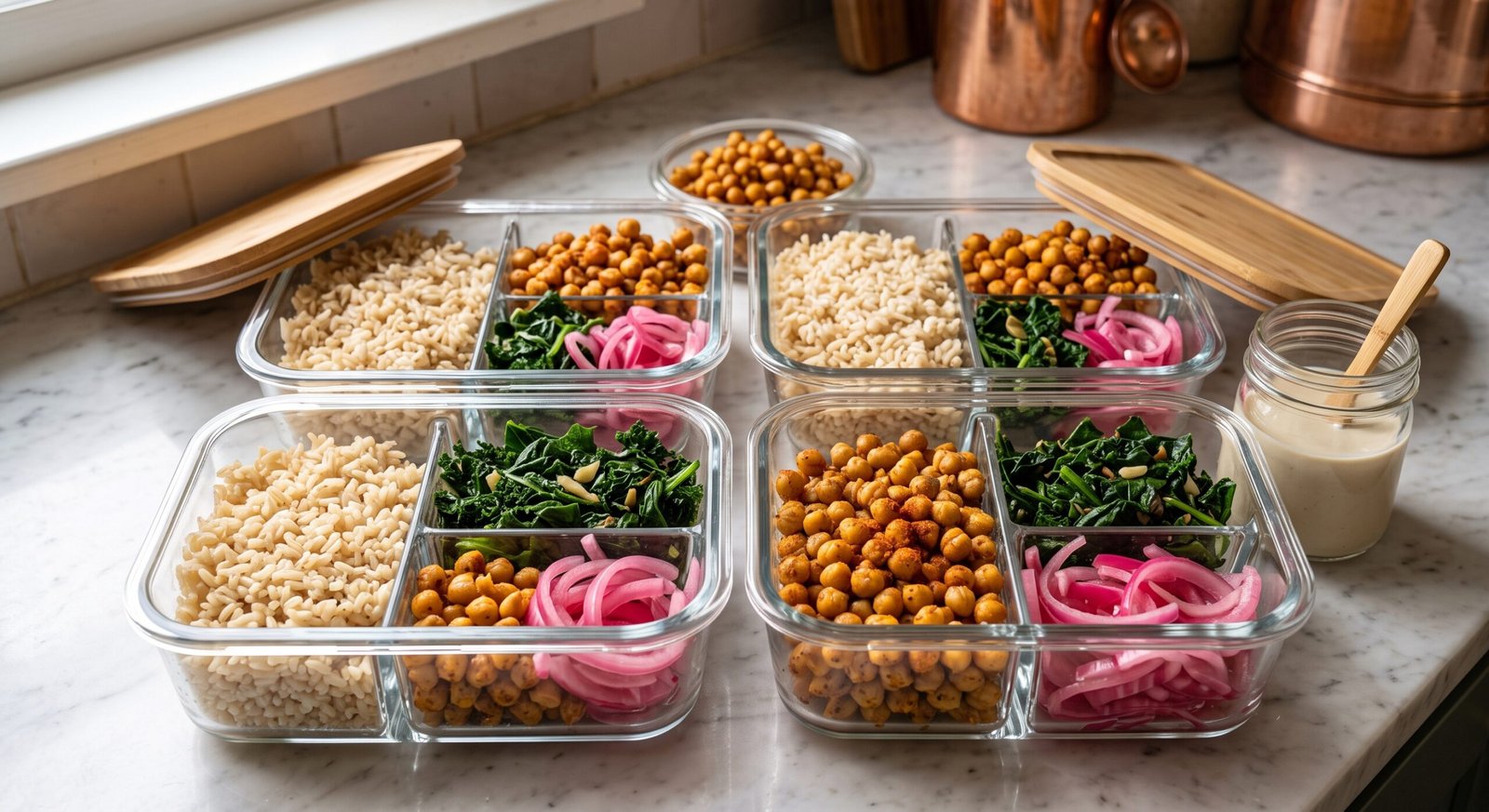
Cook adaptable, neutrally seasoned building blocks—such as unflavored grains and braised beans—in large batches. Throughout the week, vary your meals using different quick sauces, such as chimichurri, peanut sauce, spicy salsa, or lemon-herb vinaigrette.
1 thought on “Budget Cooking: Strategic Guide to Cheap Tasty Meals”