
Liquids are the most overlooked pillar of daily nutrition. Far beyond simply quenching thirst, modern beverages serve complex roles ranging from cellular hydration and metabolic regulation to culinary indulgence and social connection. Today’s drink landscape spans artisanal single-origin teas, slow-extracted espresso, fermented sodas, and nutrient-dense adaptogenic infusions.
Navigating this expanding market requires distinguishing between drinks that provide functional value and those packed with hidden sugars. A deliberate approach to beverages ensures optimal energy levels, better gut health, and enhanced physical performance without sacrificing flavor.
Key Takeaways
- Hydration Beyond Pure Water: While baseline hydration requires water, electrolyte-infused drinks, herbal teas, and mineralized beverages optimize fluid retention and intracellular absorption.
- Liquid Calorie Awareness: Sweetened sodas and commercial coffee syrups cause rapid glycemic spikes; choosing beverages sweetened with whole fruit or monk fruit protects metabolic balance.
- Functional Drinks Rise: Probiotic kombuchas, botanical elixirs, and adaptogenic mushroom blends bridge the gap between refreshing hydration and wellness support.
- Temperature and Extraction Influence Flavor: The chemistry of brewed beverages depends heavily on water temperature, steep duration, and water purity.
The Hydration Hierarchy: How to Categorize Daily Beverages
Not all drinks hydrate the body identically. Osmolality—the balance of electrolytes, minerals, and carbohydrates in a fluid—determines how rapidly the digestive tract absorbs liquids.
| Beverage Class | Common Examples | Primary Function | Ideal Consumption Window |
| Foundation Hydrators | Spring water, coconut water, cold-brew rooibos | Baseline cellular fluid replacement | All-day maintenance |
| Functional & Probiotic | Kombucha, water kefir, botanical shrubs | Microbiome and digestive support | Alongside meals or mid-afternoon |
| Metabolic Stimulants | Matcha, specialty espresso, green tea | Focus, alertness, antioxidant delivery | Morning to early afternoon |
| Recovery & Replenishment | Tart cherry juice, bone broth, electrolyte tonic | Muscle repair and electrolyte replenishment | Post-workout or evening |
Craft Coffee and Artisan Tea: Extraction Science
Brewed beverages rely on extraction chemistry, where water acts as a universal solvent drawing out aromatic compounds, acids, and sugars.

1. The Chemistry of Coffee Extraction
Coffee is composed of hundreds of chemical compounds extracted sequentially: sour organic acids dissolve first, followed by sweet lipids and caramelized sugars, with bitter astringents washing out last. Utilizing filtered water heated to 195°F–205°F (90°C–96°C) prevents under-extraction (sourness) and over-extraction (harsh bitterness).
2. Specialty Loose-Leaf Teas
Unlike industrially crushed bagged tea, whole-leaf teas preserve delicate catechins and essential oils. Green and white teas require water cooled to 160°F–175°F (70°C–80°C) to prevent scorching the leaves, while hearty black and aged puerh teas benefit from rolling boils to release deep tannic structures.
The Evolution of Functional Beverages
The fastest-growing segment of modern drink culture focuses on added physiological benefits:
- Fermented Tonics: Naturally carbonated drinks like water kefir and kombucha provide beneficial organic acids (acetic, gluconic) that aid nutrient absorption in the lower digestive tract.
- Adaptogenic Blends: Modern herbal beverages incorporate nootropics such as lion’s mane mushroom, ashwagandha, and L-theanine to cultivate calm alertness without caffeine crashes.
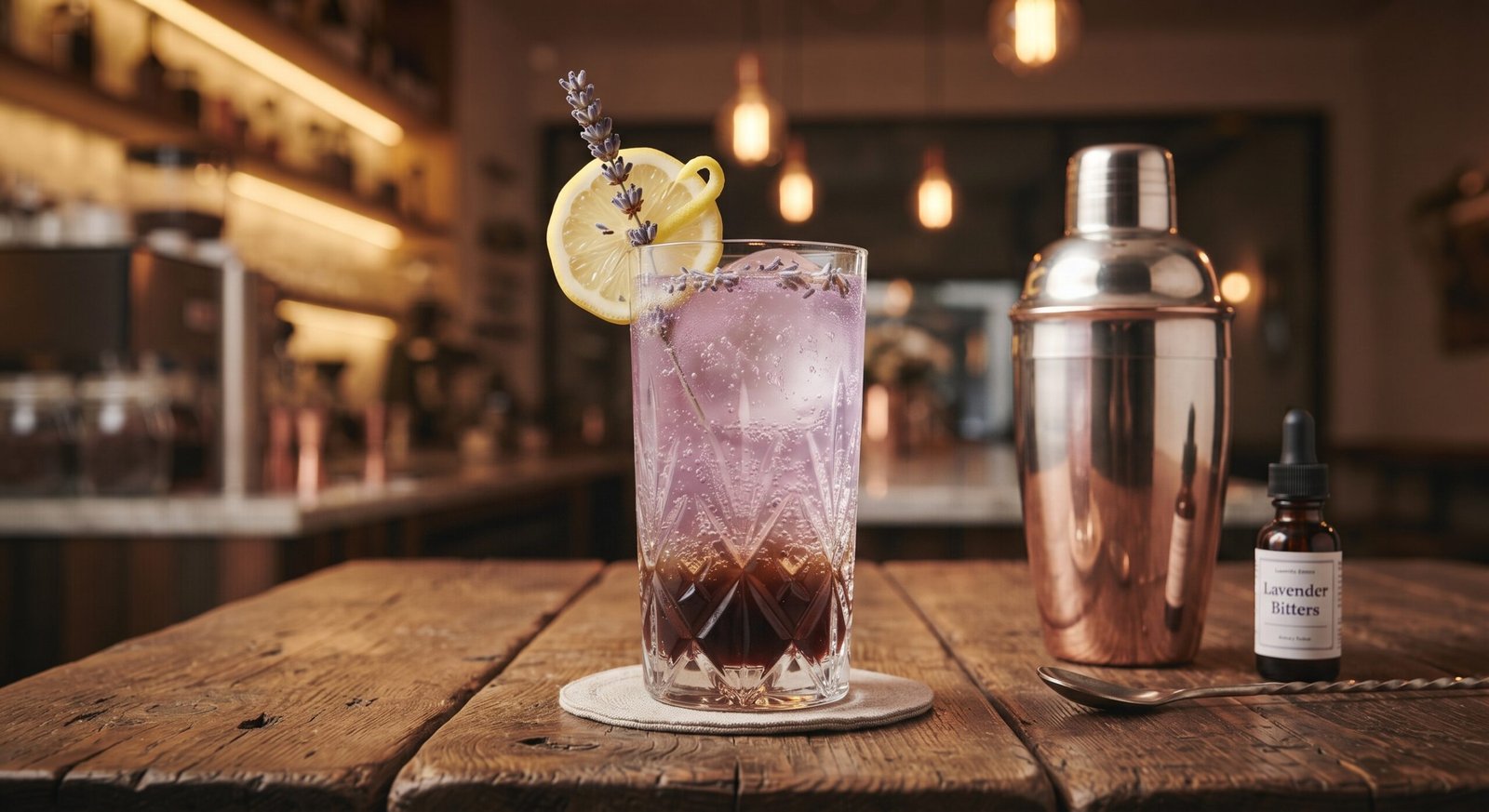
- Low-Sugar Sparkling Shrubs: Crafted using apple cider vinegar, fresh botanical herbs, and macerated fruit, these tart sodas replace high-fructose soft drinks while promoting stable post-meal blood sugar levels.
Smart Drinking Strategies for All-Day Energy
Building an optimal daily fluid routine prevents midday slumps and stabilizes focus:
- Hydrate First Upon Waking: Drink 16 to 20 ounces of room-temperature water with a pinch of unrefined sea salt before consuming caffeine to counter overnight dehydration.
- Implement a Caffeine Cut-off: Cease consuming caffeinated beverages by 2:00 PM. Caffeine has an average half-life of 5 to 7 hours, meaning late-afternoon intake disrupts restorative slow-wave sleep.
- Read Ingredient Labels Critically: Many packaged fruit juices and commercial iced teas contain upwards of 30 grams of refined cane sugar per serving. Prioritize unflavored teas, cold-pressed vegetable blends, or sparkling waters flavored strictly with natural fruit oils.

Elevating Your Daily Beverage Habits
Thoughtful selection of your daily drinks is one of the fastest, most effective ways to boost energy, improve digestion, and support general wellness. By trading processed sodas for mineral-rich teas, clean coffees, and probiotic infusions, your beverage choices become active contributors to physical vitality. Experiment with brewing parameters, prioritize clean ingredients, and treat each pour as an opportunity to nourish your body.
Frequently Asked Questions About Beverages
Which beverages provide the most effective hydration?
While plain water is essential, fluids containing balanced electrolytes and trace minerals—such as pure coconut water, mineralized spring water, and diluted citrus infusions—hydrate the body efficiently by promoting intracellular fluid retention.
Are functional beverages truly beneficial?
High-quality functional drinks containing clinically backed ingredients (like live cultures in authentic kombucha or L-theanine in green tea) offer measurable digestive and cognitive benefits. Always verify that functional drinks do not offset their benefits with excessive added sugars.
How much water should I drink relative to other beverages?
A reliable general standard is to source 70% to 80% of your total daily liquid volume from plain or lightly infused water, leaving the remaining 20% to 30% for functional drinks, coffee, and unsweetened teas.
1 thought on “Beverages : Essential Drinks for Health and Hydration”