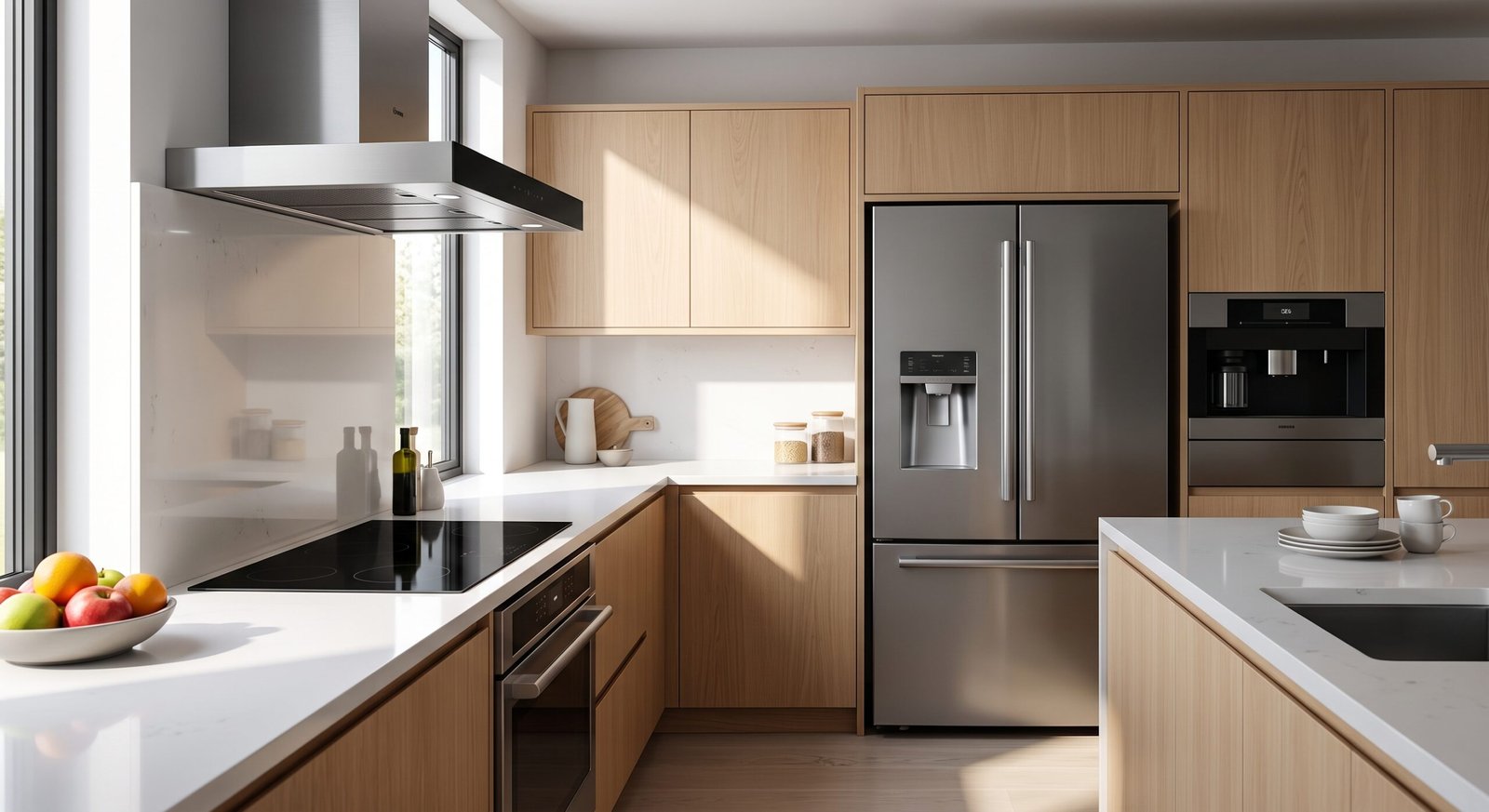
The modern kitchen is no longer just a room for meal preparation; it is the technological heart of the home. Modern kitchen appliances are the engine driving this transformation, evolving far beyond simple mechanical tools into intelligent, interconnected systems that prioritize efficiency, sustainability, and culinary precision. Whether you are a dedicated home chef or simply looking to streamline your daily routine, investing in the right kitchen technology can radically optimize your lifestyle and enhance your home’s value.
This comprehensive guide moves beyond basic product listings. We will explore the strategic implementation of appliance technology, analyze key energy efficiency metrics, and help you navigate the complex world of smart features to build a kitchen that truly works for you.
Key Takeaways for Smart Appliance Integration
- Prioritize Core Utility: Focus your budget on the main trio: refrigeration, cooking (range/oven), and dishwashing before investing in specialized niche tools.
- Energy Efficiency Pays: Look for appliances with high ENERGY STAR ratings; they significantly reduce utility bills and your environmental footprint over the appliance’s lifespan.
- Smart Tech vs. Gimmicks: Seek smart features that offer tangible utility, such as remote diagnostics, precision temperature control, and automated inventory management, rather than simple Wi-Fi connectivity.
- Match Lifestyle to Capacity: A compact dishwasher is perfect for a couple, but a large family requires a high-capacity model to avoid daily multi-cycle running.
- Maintenance is Non-Negotiable: Regular filter cleaning, coil dusting (for fridges), and descaling prolong the life of your expensive appliances.
The Strategic Trio: Essential Modern Kitchen Appliances
Every efficient culinary space is anchored by three major pillars of utility. Upgrading these essential modern kitchen appliances offers the highest return on investment in terms of both daily convenience and home valuation.
1. Advanced Refrigeration: Keeping it Fresh
The refrigerator is the only major appliance that runs 24/7. Today’s advancements go beyond mere cooling, focusing on specialized climate zones and food preservation metrics. Dual-evaporator systems, for instance, maintain high humidity in the fresh food compartment (preventing produce wilt) while keeping the freezer air bone-dry (preventing freezer burn).
When selecting a model, weigh the pros and cons of French door designs versus side-by-side units, and prioritize robust insulation. For an objective analysis of reliability, consult [External Link: Insert link to a trusted appliance review resource like Consumer Reports or Reviewed.com with anchor text: independent appliance reliability data] before finalizing your purchase.
2. Cooking Precision: Inductions and Ranges
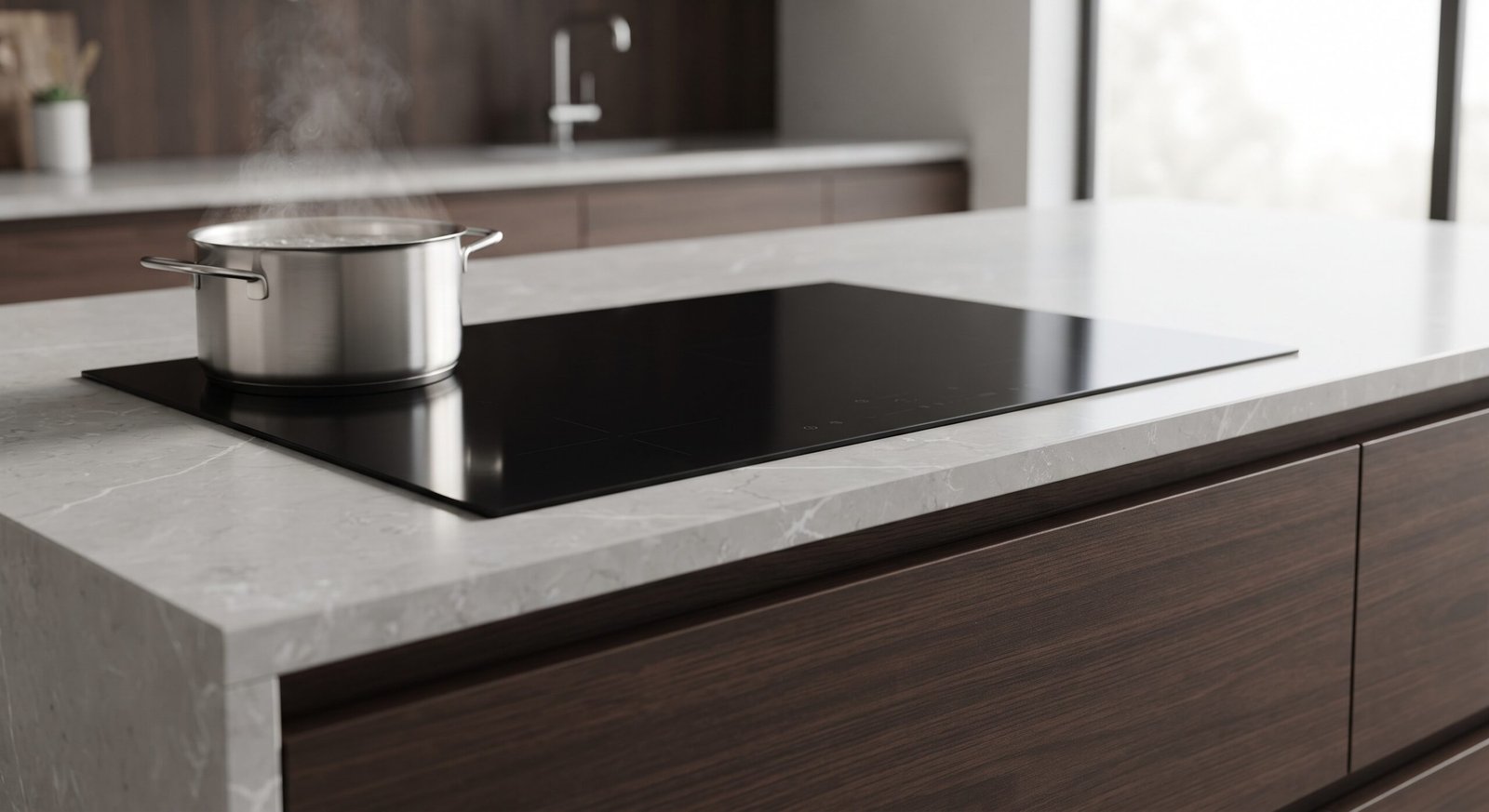
The debate between gas and electric has been disrupted by the rise of induction cooking. Induction utilizes magnetic fields to heat the cookware directly, offering near-instant temperature response and unparalleled safety (the cooktop remains relatively cool). This is a game-changer for precise simmering and searing alike.
Professional ranges, however, still hold appeal for their raw power and high BTU output for high-heat wok cooking. Understanding your personal cooking style is crucial here. If you bake frequently, look for dual-fuel ranges, which pair the responsive control of a gas cooktop with the precise, even dry heat of an electric convection oven.
3. Dishwashing Dynamics: Efficiency Meets Quiet
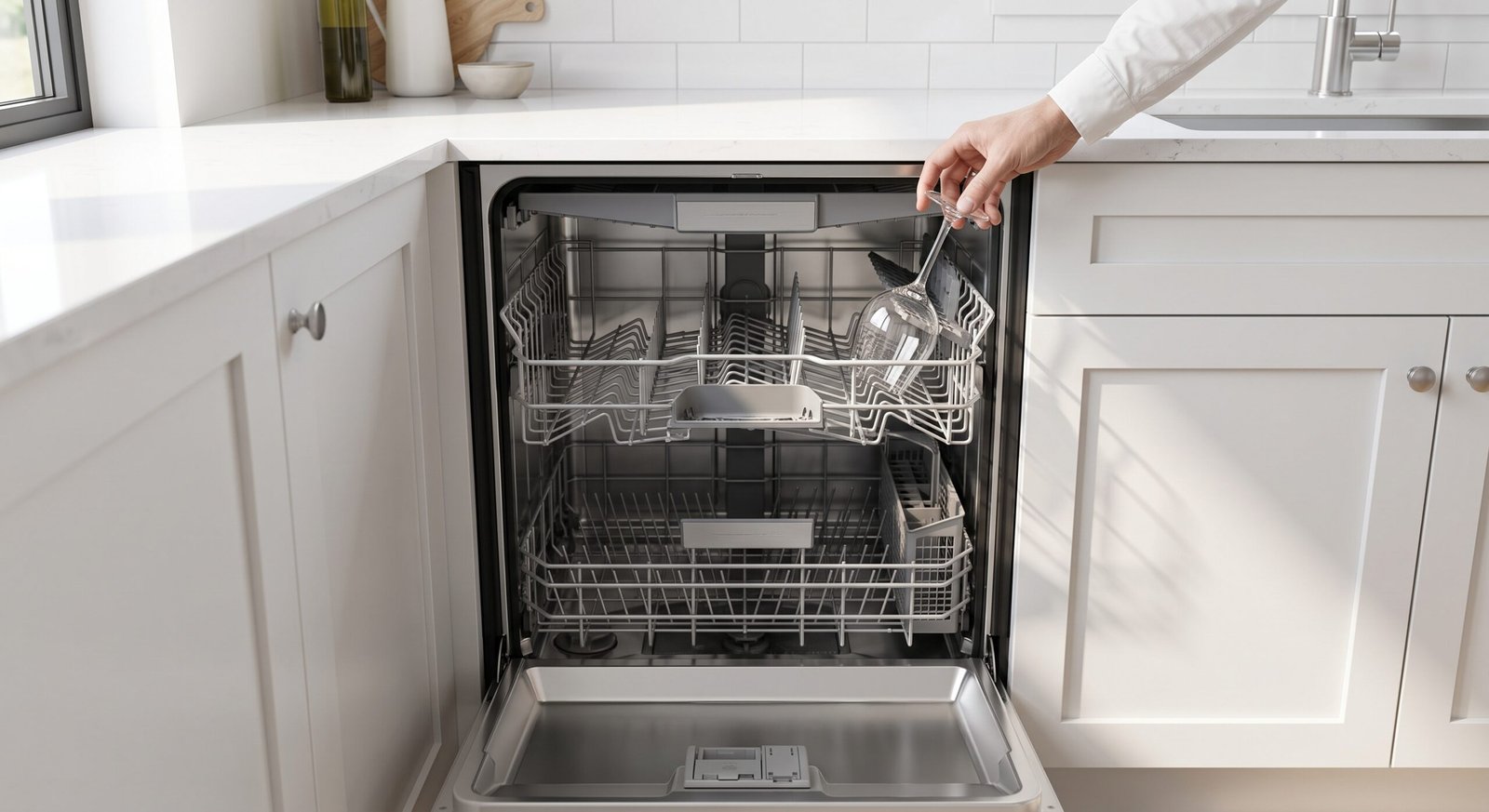
Modern dishwashers emphasize ultra-quiet operation (look for dBA ratings under 44), advanced soil sensors that adjust water usage automatically, and specialized third racks for flatware. The key advantage is not just clean dishes, but significantly reduced water consumption compared to handwashing.
The Intelligence Revolution: Is Smart Kitchen Technology Worth It?
The “Internet of Things” (IoT) has firmly established itself in the kitchen. The primary value of smart modern kitchen appliances is precision control and proactive maintenance, rather than just remote operation.
Tangible Utility of Smart Features
- Remote Diagnostics: If an appliance malfunctions, smart systems can often diagnose the issue internally and alert the manufacturer, streamlining repairs.
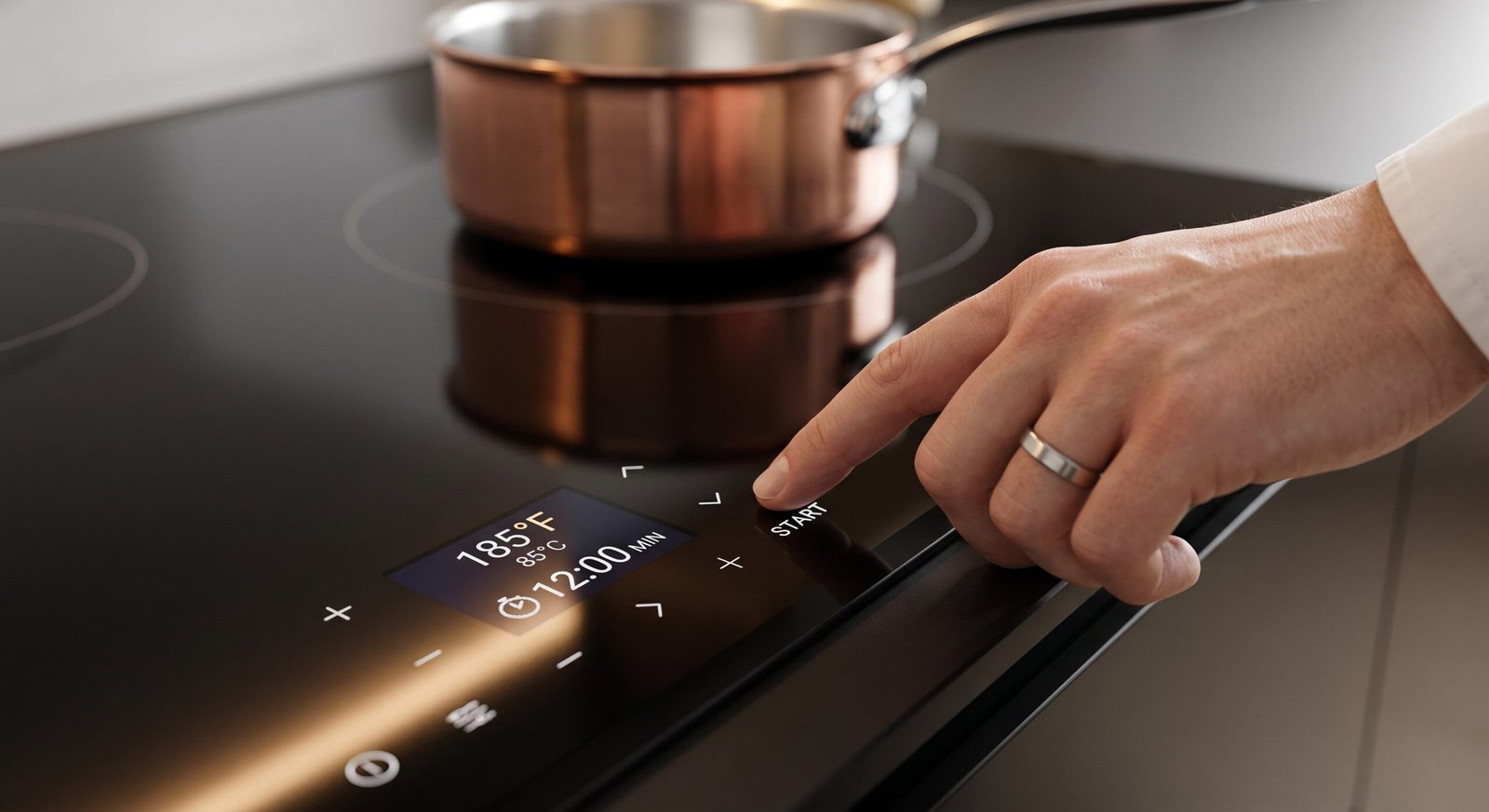
- Precision Temperature Control: Smart ovens and cooktops can interface with temperature probes to cook protein exactly to the desired internal temperature, automatically dropping the heat when it’s reached.
- Inventory & Shopping: Smart fridges with internal cameras allow you to check if you’re out of milk while you’re at the grocery store.
- Integration and Automation: Devices can talk to each other; your range hood can automatically activate when the cooktop is turned on, or the lighting can dim when the oven starts a cycle.
While the convenience is undeniable, these features require a reliable Wi-Fi network and a strategic approach.
Investing Wisely: Budget, Longevity, and Value
A full suite of modern kitchen appliances represents a significant financial commitment. The key is to optimize your spending by focusing on lifecycle value rather than just the initial price.
Budgeting for Lifecycle Value
While a top-tier professional range might cost three times as much as a standard model, its components (burners, igniters, hinges) are typically built to a much higher standard of durability and are easier to repair. Always calculate the “Cost of Ownership” by factoring in anticipated repair frequency and energy usage.
Prioritize ENERGY STAR Certifications
ENERGY STAR certified modern kitchen appliances may have a slightly higher upfront cost, but they use 10% to 50% less energy and water than conventional models. These savings add up significantly over the 10 to 15-year life of the device. Dishwashers, in particular, show dramatic efficiency gains.
Consider Resale Value
Even if you aren’t a serious cook, a modern, matched, stainless steel (or high-end panel-ready) appliance suite is a major selling point for potential buyers. It signals a modernized, move-in-ready home and can offer a strong return on investment at resale.
Conclusion: Crafting Your Perfect Kitchen Ecosystem
The journey of selecting modern kitchen appliances is ultimately about aligning your technological investments with your unique lifestyle requirements. By prioritizing core efficiency, strategically incorporating smart features, and focusing on lifecycle value, you move beyond mere consumption and instead build a personalized ecosystem that supports health, facilitates creativity, and maximizes home value. Your kitchen is the hub of your home—empower it with the intelligence and performance it deserves.
Frequently Asked Questions About Modern Kitchen Appliances
What are the most reliable modern kitchen appliance brands?
Reliability can vary by product category, but generally, brands known for heavy-duty components and good repair networks (like Bosch, Miele, and Wolf/Sub-Zero at the high end; GE and Whirlpool in the mid-range) perform well in independent reliability surveys.
Are smart kitchen appliances more prone to breaking?
Generally, no. While they have more electronic components (like Wi-Fi modules) which can fail, the fundamental mechanical reliability is usually high. Proactive diagnostic features can actually prevent major breakdowns by identifying small issues early.
How much should I budget to upgrade all major kitchen appliances?
A complete mid-range suite (fridge, range, hood, dishwasher, microwave) can cost between $4,000 and $9,000. For high-end luxury or professional-grade suites, prices can quickly range from $15,000 to $40,000 or more.
Which offers a better cooking experience: induction or professional gas?
Inductions offer faster response, safer surfaces, and better low-temperature control. Professional gas ranges provide unparalleled power, visual feedback, and compatibility with all cookware, especially for high-heat, wok-style cooking. It is a matter of cooking style.
1 thought on “Modern Kitchen Appliances: Guide to Upgrading Spaces”