
Few travel styles match the sheer freedom of taking to the open highway. Unlike rigid flight itineraries or scheduled train transfers, road trips give travelers absolute autonomy over their pace, route, and destination. Whether navigating remote desert biomes, winding alpine switchbacks, or iconic coastal corridors, a well-executed journey turns transit into the highlight of the vacation.
However, a memorable road trip requires more than an empty calendar and a tank of fuel. Unexpected mechanical breakdowns, route fatigue, and poor navigation planning can turn an idyllic getaway into a logistical headache. Approaching road trips with methodical preparation ensures total reliability, passenger comfort, and unforgettable roadside discoveries.
Key Takeaways
- Strategic Driving Windows: Cap daily driving at 4 to 6 hours (roughly 250–350 miles) to prevent driver burnout and leave daylight for spontaneous stops.
- Pre-Trip Mechanical Audits: Inspecting the “Big Six” fluids, tire tread depth, and battery terminal voltage before departure prevents roadside emergencies.
- Offline Navigation Backups: Cellular dead zones in remote national parks require downloading offline GPS map sectors and storing physical paper road atlases.
- Balanced Route Planning: Structure itineraries around the 3:1 rule—three hours of movement balanced with at least one hour of exploration or dining outside the vehicle.
Pre-Departure Vehicle Inspection: Avoiding Roadside Breakdowns
The foundation of every safe road trip begins under the hood. Mechanical breakdowns in unfamiliar areas waste valuable vacation days and trigger costly repairs.
Prior to setting out on long-distance road trips, conduct a systematic vehicle walk-around. Test tire pressure cold using a digital gauge, including the spare tire in the trunk. Inspect tire tread using the standard coin test to verify sufficient groove depth, and examine brake pad responsiveness. Check all essential fluids: engine oil, transmission fluid, radiator coolant, brake fluid, power steering fluid, and washer fluid.
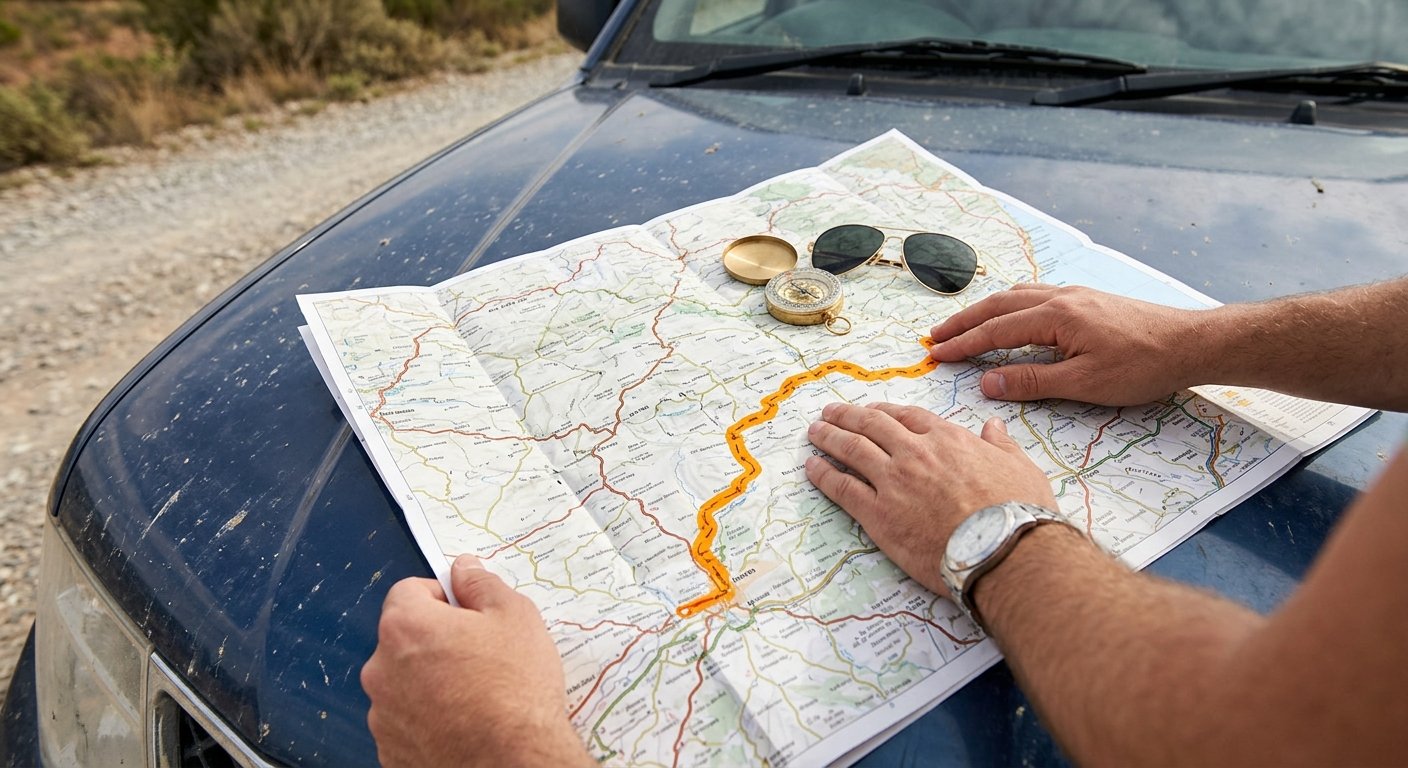
Route Planning: Navigating Iconics vs. Hidden Byways
Selecting the right route determines the entire character of your adventure. The best road trips balance efficient highway segments with scenic detours.
| Route Profile | Iconic Global Examples | Ideal Vehicle Type | Best Traveled Season |
| Coastal Highways | Pacific Coast Highway (USA), Great Ocean Road (Australia) | Convertible, Sedan, or Compact SUV | Late Spring to Early Autumn |
| Mountain Passes | Icefields Parkway (Canada), Grossglockner High Alpine Road (Austria) | All-Wheel Drive (AWD) SUV or Campervan | Summer (July–September) |
| Desert Corridors | Route 66 (USA), Skeleton Coast Route (Namibia) | High-clearance 4WD with extra radiator capacity | Autumn to Early Spring |
| Fjord & Island Loops | Ring Road (Iceland), Wild Atlantic Way (Ireland) | Sturdy 4×4 with winter tire readiness | June to August |

Cabin Organization and Road Trip Comfort
Long hours inside a confined vehicle require smart cabin management to keep energy high and stress low.
1. The Front-Seat Accessibility System
Never bury daily necessities in the cargo area. Designate a “center console kit” featuring wet wipes, hand sanitizer, basic medication (ibuprofen, motion sickness relief), charging cables, and sunglasses. Keep a small, sealable trash container within arm’s reach of the driver and passenger seats to keep the cabin tidy.
2. Hydration and Snack Strategy
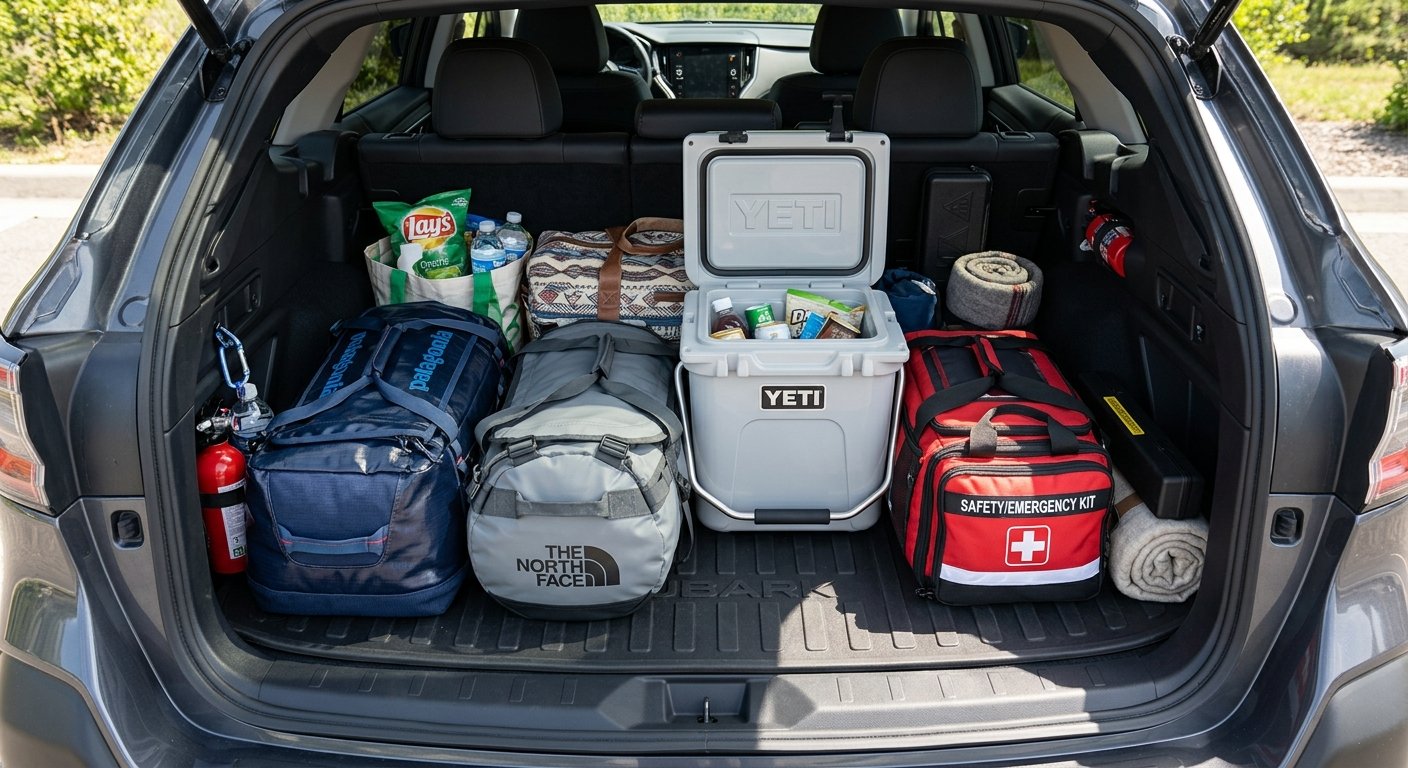
Avoid reliance on gas station junk food, which triggers rapid sugar spikes and afternoon fatigue. Stock a 12-volt vehicle cooler with electrolyte beverages, fresh cut fruit, high-protein nuts, and string cheese. Refill dynamic water jugs at highway rest areas rather than accumulating single-use plastic bottles.
Fatigue Management and Safe Driving Etiquette
Driver fatigue accounts for a significant percentage of highway incidents during peak road-tripping seasons. Managing driver stamina is essential:
- Rotate Drivers Every Two Hours: If traveling with companions, switch driving responsibilities every 120 to 180 minutes, regardless of whether the current driver feels tired.
- Heed the “Highway Hypnosis” Warning Signs: Repeated yawning, lane drifting, missing highway exits, and heavy eyelids demand an immediate stop. Pull over at a designated rest stop or fuel station for a 20-minute power nap or brisk walk.
- Avoid Driving Late Into the Night: Wildlife strikes and driver fatigue jump dramatically between 11:00 PM and 5:00 AM. Plan your days to arrive at your campsite, motel, or lodge before nightfall.
Hitting the Open Highway
The enduring appeal of great road trips lies in the unexpected moments—an unscheduled turnoff toward a panoramic river overlook, a friendly conversation at a rural roadside diner, or watching the sunset paint a distant mountain range. By pairing thorough mechanical preparation with flexible route pacing, you safeguard your journey while leaving ample room for spontaneous discovery.
Frequently Asked Questions About Road Trips
How many hours a day should you drive on road trips?
For the ideal balance between progress and enjoyment, limit drive time to 4 to 6 hours per day (roughly 250 to 350 miles). Driving more than 8 hours in a single day significantly elevates fatigue and eliminates time to explore roadside attractions.
What is the best app for planning multi-stop road trips?
Platforms like Roadtrippers, Google Maps, and Gaia GPS excel at routing. Roadtrippers identifies points of interest along your corridor, while Google Maps and Maps.me provide vital offline navigation when connectivity drops.
How much money should I budget for fuel on long road trips?
Calculate your estimated fuel cost by dividing your total planned route mileage by your vehicle’s average miles per gallon (MPG), then multiplying that by the current average regional fuel price. Add a 15% to 20% financial cushion to account for idling, hill climbs, and detour mileage.
1 thought on “Road Trips Guide: Ultimate Route and Safety Hacks”