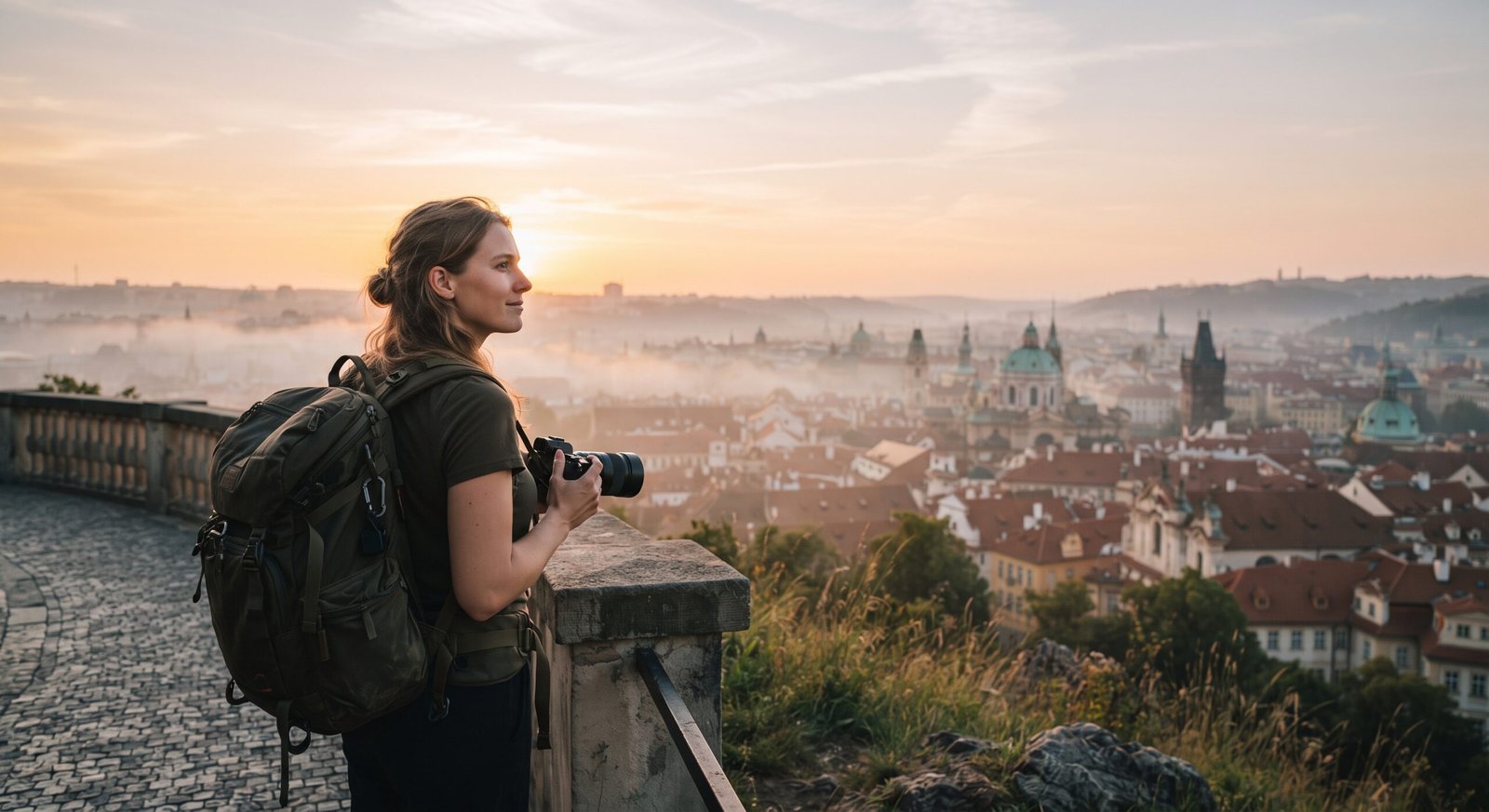
Setting out on a journey alone is one of the most liberating decisions a person can make. Far from being a niche pursuit or a backup plan when friends are unavailable, solo travel offers total control over your daily schedule, deeper cultural immersion, and unrivaled personal growth. Without the need for group compromise, you wake up when you want, pivot destinations on a whim, and engage directly with the communities you visit.
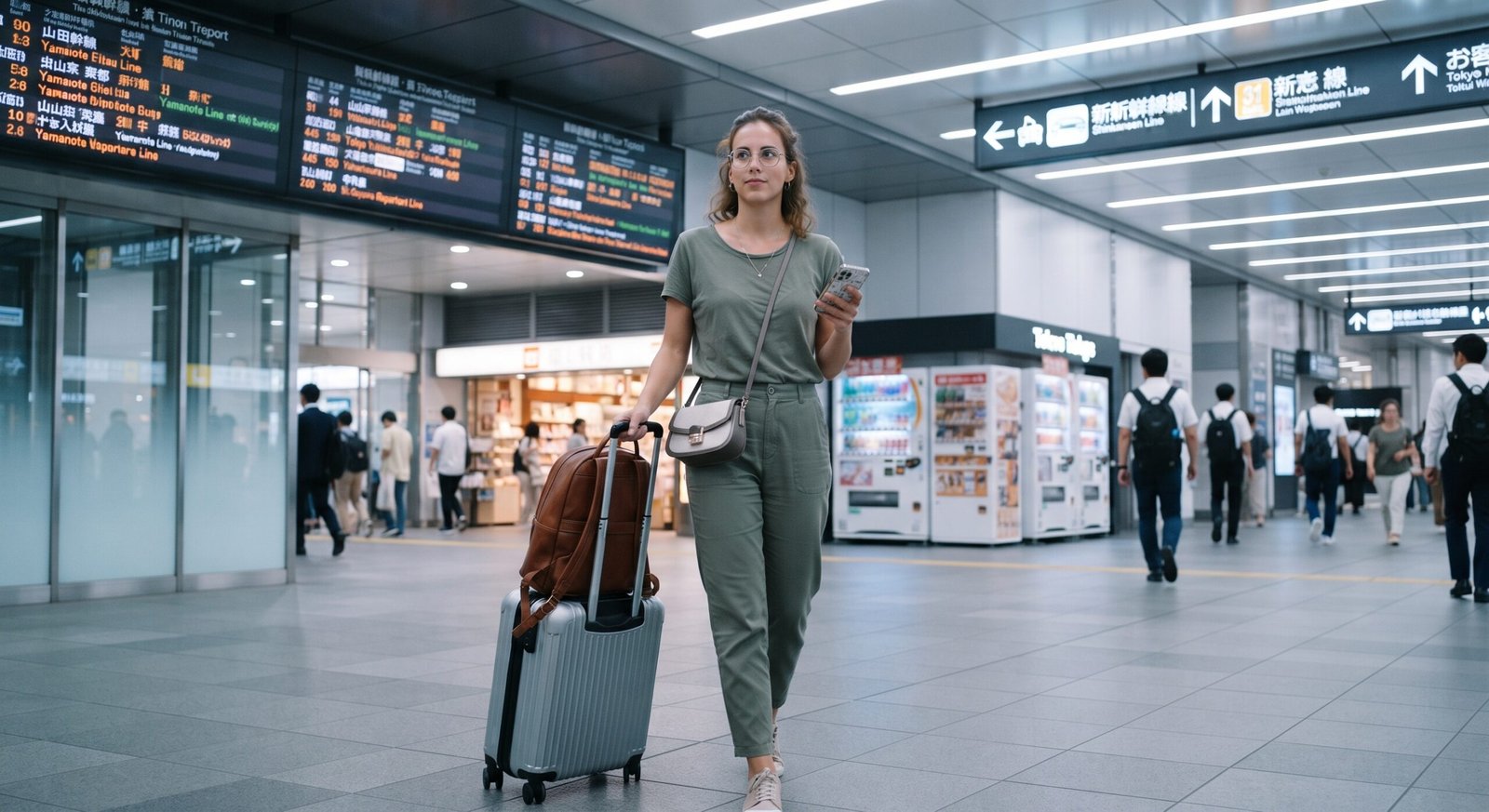
While the prospect of navigating unfamiliar transit hubs or dining alone in a foreign city can feel daunting initially, modern independent travel has never been more accessible. With structured preparation, intuitive digital tools, and situational awareness, solo travel transforms from an intimidating milestone into an empowering, lifelong travel style.
Key Takeaways
- Pre-Book Arrival Windows: Always book airport transfers and your first 48 hours of accommodation in advance to eliminate high-stress decision-making upon arrival.
- Dual-Tier Financial Security: Separate emergency debit cards and backup cash from your daily wallet, storing reserves in a locked compartment at your lodging.
- Walkability and Transit Infrastructure: First-time independent trips are most enjoyable in destinations featuring reliable train networks, walkable historic districts, and normalized single-diner dining cultures.
- Proactive Social Routines: Structured activities—such as culinary walking tours, language exchange meetups, and boutique co-living spaces—naturally dissolve on-the-road loneliness without sacrificing personal space.
Choosing the Right Solo Travel Destinations
Selecting a destination that aligns with your baseline comfort level is the most critical first step. For your initial solo excursions, prioritize regions with dependable public transit, established safety track records, and English-friendly services or clear signage.
| Destination | Why It Works for Solo Travelers | Signature Solo Experience | Safety & Transit Rating |
| Japan (Tokyo & Kyoto) | Unrivaled public safety, punctual high-speed rail, solo dining booths (ichiran ramen) | Navigating neon-lit alleys and quiet Shinto shrines in absolute tranquility | Exceptional / World Class |
| Spain (Seville & Barcelona) | Walkable city layouts, high safety index, welcoming social tapas culture | Savoring small plates at standing bar counters alongside local patrons | Very High / High-Speed Rail |
| Taiwan (Taipei) | Safe night markets, extensive bilingual subway (MRT), warm hospitality | Exploring historic teahouses and night food stalls late into the evening | Exceptional / Efficient MRT |
| Portugal (Porto & Lisbon) | Affordable coastal transit, dense historic cores, thriving international community | Wandering tiled streets and catching panoramic sunsets from public miradouros | Very High / Walkable & Tram |
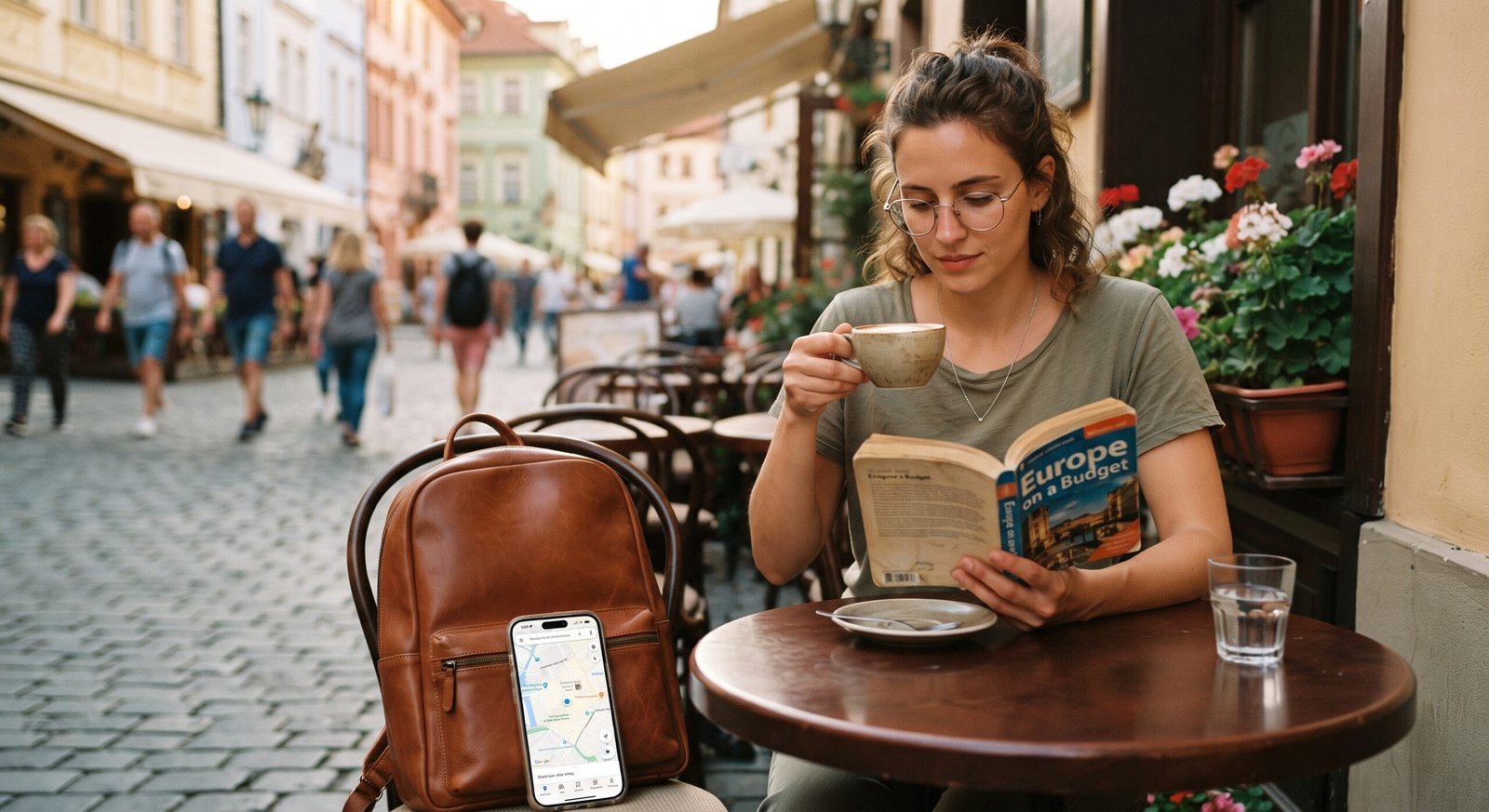
Proactive Safety and Emergency Protocols
Safety is the primary consideration for independent explorers, yet common-sense habits mitigate the vast majority of risks. Protecting yourself on solo travel journeys requires establishing proactive boundaries:
1. Digital Check-Ins and Automated Location Sharing
Share an ongoing live location link via smartphone settings with one trusted family member or friend back home. Send a daily morning message noting your intended district, trail, or museum visits. Before boarding unmetered taxis, verify licensed vehicle badges or use rideshare apps where journeys are tracked digitally.
2. Guarding Sensitive Accommodations Data
Never state your hotel name, hostel dorm room number, or personal itinerary aloud in crowded reception lobbies, communal cafes, or transit stops. If an acquaintance asks where you are staying, name a broad neighborhood rather than a specific building. Request hotel staff write your room number down rather than reciting it across a busy lobby desk.
Beating the Solo Dining and Social Stigma
Eating alone is often the biggest psychological hurdle for new solo travelers. However, table culture worldwide has shifted rapidly toward celebrating independent diners.
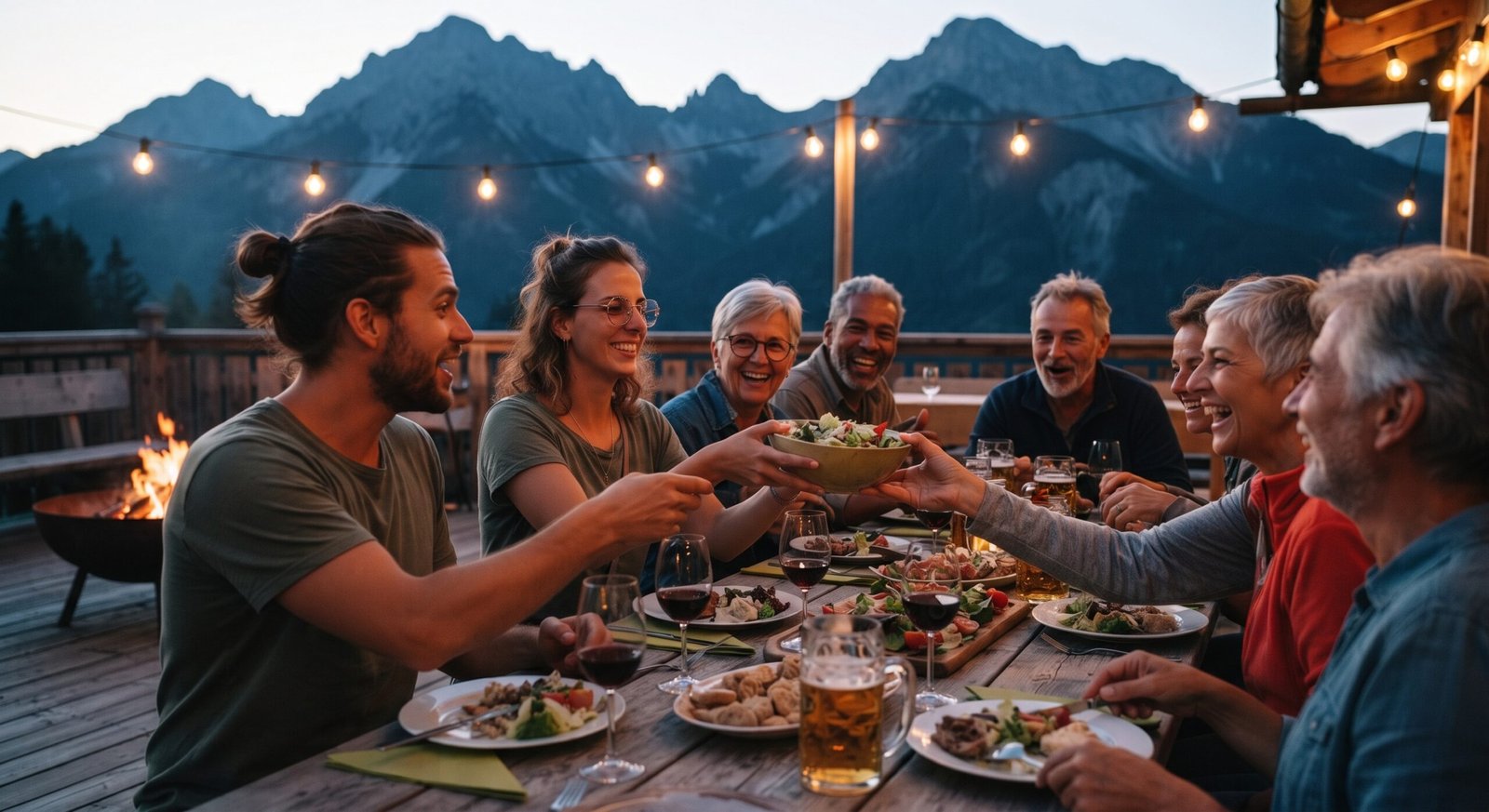
- Seek Counter and Bar Seating: Opt for barstools or kitchen-facing counters. These spaces encourage natural banter with bartenders, chefs, and neighboring travelers, eliminating the awkwardness of an empty chair across a four-top table.
- Join Midday Food Walking Tours: Booking a small-group street food walk on your second day connects you with other travelers and local guides, giving you dining confidence for the rest of your trip.
- Carry a Compact Book or Journal: A paperback book or journal serves as a comfortable social shield that keeps you engaged while waiting for your meal, without staring constantly at a glowing phone screen.
Budgeting for the “Solo Supplement”
Traveling solo means you cannot split the cost of rental cars, double hotel rooms, or shared appetizers. Managing solo travel expenses requires tactical planning:
- Embrace Boutique Micro-Hotels and Guesthouses: Modern pod hotels, Japanese-style business inns, and private rooms in design-led hostels provide private sleeping quarters with communal workspaces at a fraction of standard hotel suite rates.
- Leverage High-Speed Rail Passes: Purchasing regional rail passes eliminates expensive single-ticket purchases and bypasses the costly luggage surcharges common on budget air carriers.
- Eat Like a Local for Breakfast and Lunch: Dine on fresh produce, bakery staples, and daily set lunch menus (menú del día in Spain or pranzo di lavoro in Italy), which often offer identical portions of dinner cuisine at half the price.
Embracing Independent Exploration
The ultimate reward of solo travel is the self-reliance that accompanies every solved challenge. Overcoming transit hurdles, ordering food in a new language, and navigating winding city streets completely unassisted builds a lasting confidence that stays with you long after you return home. By prioritizing personal safety, staying curious, and welcoming spontaneous encounters, your solo journey becomes a transformative chapter of pure discovery.
Frequently Asked Questions About Solo Travel
Is solo travel safe for first-timers?
Yes. Choosing countries with strong public transport infrastructure and low violent crime rates (such as Japan, Portugal, Taiwan, or Switzerland), staying alert in crowded zones, and pre-booking evening arrivals makes solo travel very safe.
How do I deal with loneliness during solo travel?
Loneliness typically peaks during the first 24 to 48 hours. Joining free walking tours, booking cooking workshops, staying in social boutique guesthouses, or working from local specialty coffee shops quickly connects you with locals and fellow travelers.
What is the biggest mistake first-time solo travelers make?
The most common mistake is over-scheduling every hour of every day. Traveling alone requires handling all logistics and navigation by yourself; leaving unscheduled downtime prevents mental fatigue and leaves room for spontaneous adventures.
1 thought on “Solo Travel: Guide to Safe and Independent Journeys”