
Managing household cash flow does not require extreme frugality or sacrificing quality of life. For most individuals, financial leakage happens not through major luxury purchases, but through unmonitored everyday transactions—such as impulse grocery buys, recurring convenience fees, and overlooked subscription renewals. Learning how to save money on daily expenses comes down to designing frictionless spending systems that automatically curtail waste while prioritizing long-term wealth building.
Key Takeaways
- The Micro-Leak Audit: Identifying small, repeated charges like convenience fees and unused digital memberships instantly unlocks hundreds in monthly savings.
- Automated Pay-Yourself-First Rule: Route a fixed percentage of income directly to savings accounts on payday before allocating discretionary daily funds.
- Smart Grocery Optimization: Implement meal planning and unit-price comparisons to slash routine food expenses without compromising nutritional quality.
- Utility and Transport Efficiency: Minor adjustments in domestic energy habits and daily transit yield sustained compounding savings.
1. Auditing Micro-Leaks and Routine Subscriptions
Small, recurring charges often slip under the radar, draining personal finances through accumulated micro-transactions. From rarely watched streaming services to delivery platform convenience markups, plugging these leaks is the fastest way to reduce everyday costs.
Effective leak-detection steps include:
- The 90-Day Statement Review: Export bank and credit card statements from the last quarter to isolate every automated recurring charge.
- Subscription Pruning: Cancel any service not used at least twice a month; alternate platforms instead of paying for multiple simultaneously.
- Delivery Fee Elimination: Replace frequent third-party food delivery apps with batch cooking or direct restaurant pickup to avoid service surcharges.
Pairing regular bank audits with structured budgeting frameworks builds long-term financial discipline.
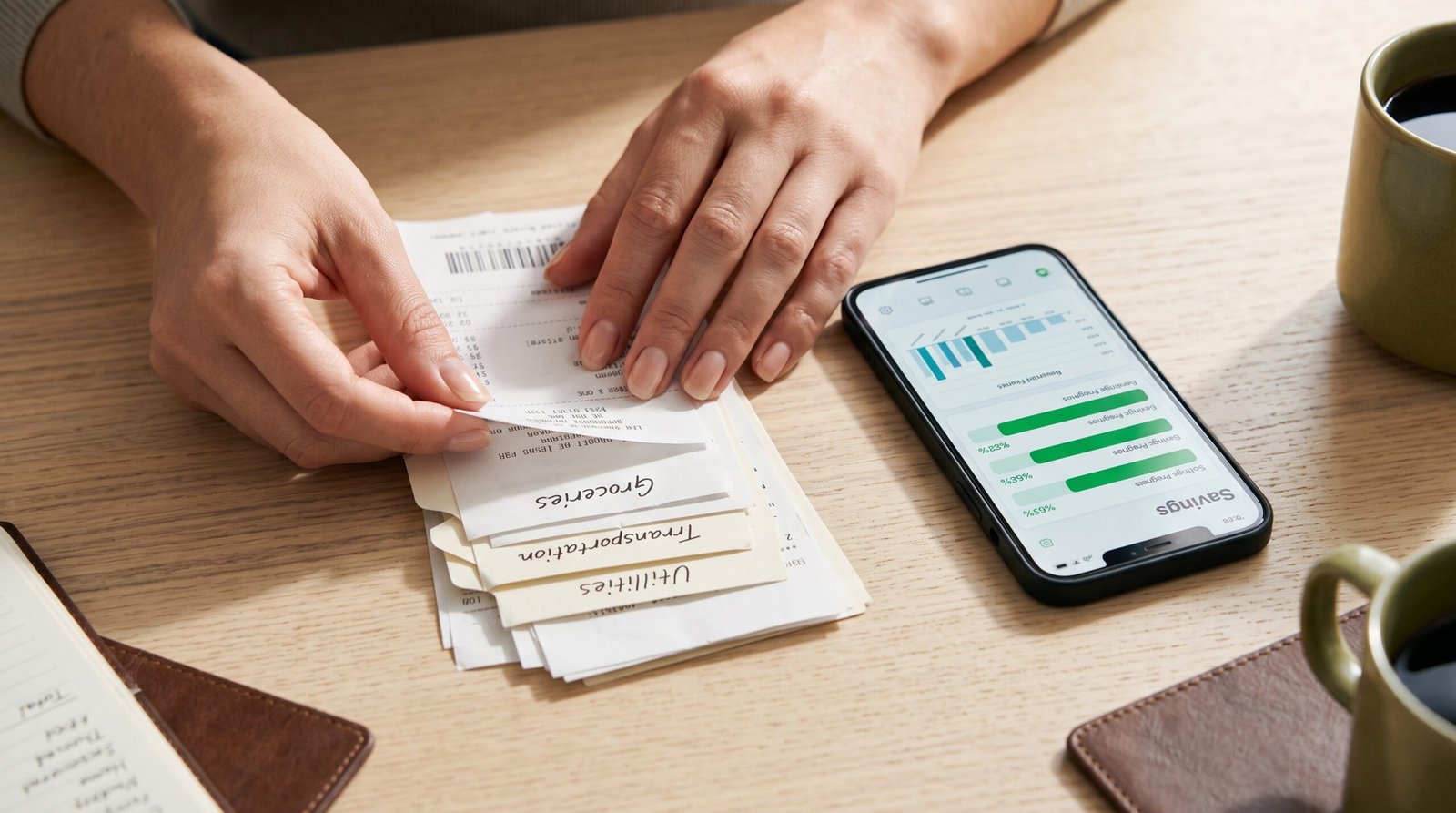
2. Strategic Grocery Planning and Waste Reduction
Food spending represents one of the largest flexible categories in any personal budget. Discovering how to save money on daily expenses at the supermarket requires shifting from reactive shopping to structured meal planning.
Applying intentional grocery tactics prevents mid-week takeout runs and lowers food waste:
- Shop by Unit Price: Check the price-per-ounce or price-per-gram on shelf tags rather than the overall sticker price to find genuine bulk savings.
- Incorporate Plant-Based Staples: Swap expensive cuts of meat for protein-dense legumes, eggs, and tofu for several meals each week.
- Strict List Discipline: Never enter a grocery store without an inventory-verified list to eliminate high-margin impulse purchases.

3. Automating the “Pay-Yourself-First” Protocol
Willpower is an unreliable financial tool. When discretionary money sits idle in a primary checking account, Parkinson’s Law dictates that spending will expand to match the available balance.
- Automated Direct Transfers: Schedule automated transfers from your checking account to a high-yield savings account or investment fund immediately after receiving your paycheck.
- Sub-Account Partitioning: Create dedicated digital sinking funds for recurring irregular expenses (car maintenance, insurance premiums, holiday gifts).
- Round-Up Savings Apps: Enable micro-savings features that round up everyday debit card purchases to the nearest dollar, automatically investing the difference.
4. Daily Expense Optimization Matrix
| Expense Category | Common Spending Habit | Smart Budgeting Alternative | Estimated Monthly Savings |
| Coffee & Drinks | Daily takeaway specialty drinks ($6/day) | Home espresso machine or quality cold brew setup | $120 – $150 |
| Grocery Shopping | Unplanned store trips & name-brand items | Meal planning, store brands, & buying in bulk | $150 – $300 |
| Streaming & Apps | Maintaining 5+ simultaneous active subscriptions | Rotating single subscriptions month-to-month | $40 – $70 |
| Utility Usage | Unmanaged heating/cooling & standby power | Smart power strips & eco-thermostat scheduling | $30 – $60 |

Frequently Asked Questions
What is the most effective way to start saving money on daily expenses?
Start by tracking every transaction for 30 days using an automated budgeting app or spreadsheet. Identifying your largest discretionary spending categories highlights where minor behavioral tweaks generate the quickest financial returns.
How does meal planning reduce daily living costs?
Meal planning prevents food spoilage, avoids expensive last-minute takeout orders, and allows you to buy ingredients in bulk, lowering your average cost per meal.
Can automated transfers help if I have an irregular income?
Yes. Base your automated baseline savings on your lowest projected monthly income, and manually transfer a set percentage of surplus earnings during higher-income months.
Mastering how to save money on daily expenses is not about restriction; it is about intentionality. By eliminating micro-leaks, organizing household groceries, and automating your core savings contributions, you free up cash flow for meaningful goals without compromising your day-to-day comfort.
1 thought on “Smart Budgeting Strategies: How to Save Money on Daily Expenses”