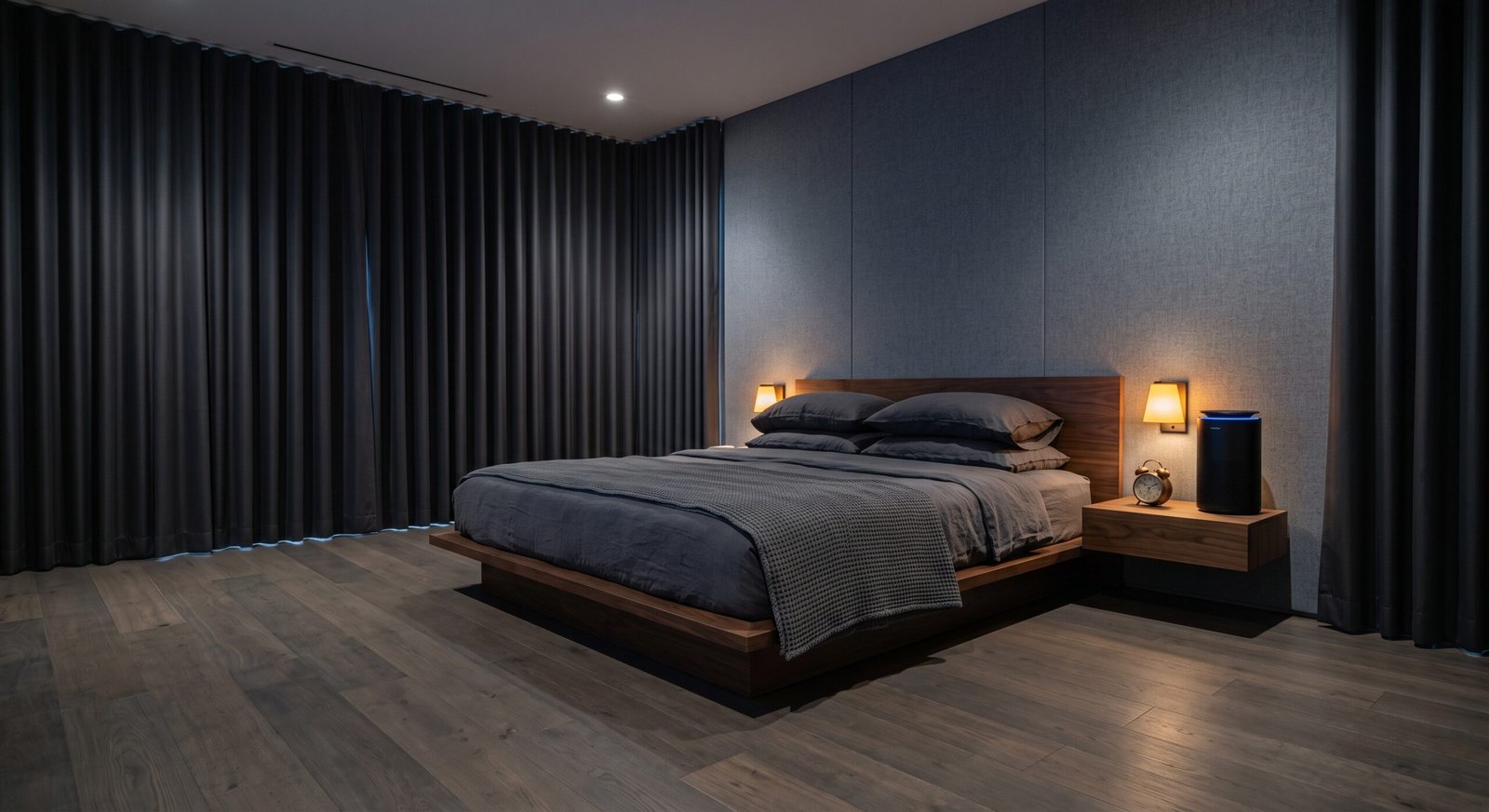
Physical output and cognitive performance are fundamentally limited by restorative capacity. A comprehensive approach to sleep & recovery shifts the paradigm away from viewing rest as passive downtime and establishes it as an active, biologically demanding phase of cellular detoxification, memory consolidation, and endocrine recalibration.
Chronic sleep debt and unmitigated physiological strain rapidly impair metabolic function, elevate systemic inflammation, and blunt athletic adaptation. By grounding nighttime routines and daytime habits in circadian biology—synchronizing retinal photon exposure, regulating core body temperature drop, and supporting parasympathetic dominance—you establish durable resilience that restores the brain and body.
Key Takeaways
- Glymphatic Clearance Peaks During Slow-Wave Sleep: Non-rapid eye movement (NREM) Stage 3 sleep initiates interstitial channel expansion, facilitating the clearance of metabolic waste like beta-amyloid from neural tissue.
- Core Body Temperature Dictates Sleep Latency: Vasodilation in the extremities and a 1°C to 1.5°C drop in central temperature are essential biological triggers for nocturnal melatonin release.
- Circadian Anchoring Stabilizes Sleep Architecture: Consistent wake times and morning retinal sunlight exposure anchor the master clock in the suprachiasmatic nucleus (SCN), dictating nocturnal sleep pressure.
- Autonomic Balance Drives Tissue Repair: Parasympathetic reactivation during deep rest reduces resting heart rate and elevates heart rate variability (HRV), enabling protein synthesis and soft tissue remodeling.
The Four Stages of Restorative Sleep Architecture
Optimizing physical and neurological restoration requires cycling through balanced sleep stages without frequent micro-arousals.
| Sleep Phase | Primary Physiological Process | Percentage of Total Night | Optimal Target / Benefit |
| Stage 1 (N1: Light Sleep) | Transition from alpha to theta brainwaves; muscle relaxation | 5% | Rapid sleep onset; under 15 minutes sleep latency |
| Stage 2 (N2: Intermediate) | Sleep spindles and K-complexes; motor skill consolidation | 45%–55% | Synaptic pruning and intermediate cognitive recovery |
| Stage 3 (N3: Slow-Wave / Deep) | Growth hormone release, cellular repair, glymphatic waste clearance | 15%–25% | Musculoskeletal repair, immune modulation, physical recovery |
| Stage 4 (REM Sleep) | High acetylcholine tone, emotional processing, creative synthesis | 20%–25% | Emotional equilibrium, memory consolidation, dream state |

3 Core Fundamentals of Effective Sleep & Recovery
Achieving regenerative rest requires systematic control over key biological triggers rather than reliance on temporary sedative supplements.
1. Circadian Photobiology and Optical Entrainment
The human master clock relies heavily on solar cues to synchronize neurotransmitter synthesis and hormone cascades.
- Morning Photon Inoculation: View outdoor natural sunlight for 10 to 15 minutes within an hour of waking to stimulate cortisol release and start the 14-to-16-hour biological countdown toward melatonin production.
- Nighttime Dark Adaptation: Dim ambient indoor lights and eliminate high-intensity overhead lighting after sunset. Blue-spectrum wavelength suppression preserves endogenous melatonin secretion and prevents delayed phase-shifts.
2. Thermoregulatory Manipulation and Microclimate Control
A dropping core body temperature signals the autonomic nervous system to initiate restorative rest cycles.
- Ambient Thermal Setting: Maintain bedroom ambient temperature between 15°C and 19°C (60°F–67°F) to avoid sleep fragmentation from heat dissipation struggles.
- Warm Contrast Bathing: A warm shower or sauna 60 to 90 minutes before bed causes peripheral vasodilation (blood rushing to hands and feet), rapidly cooling your core once you step out into a cooler environment.
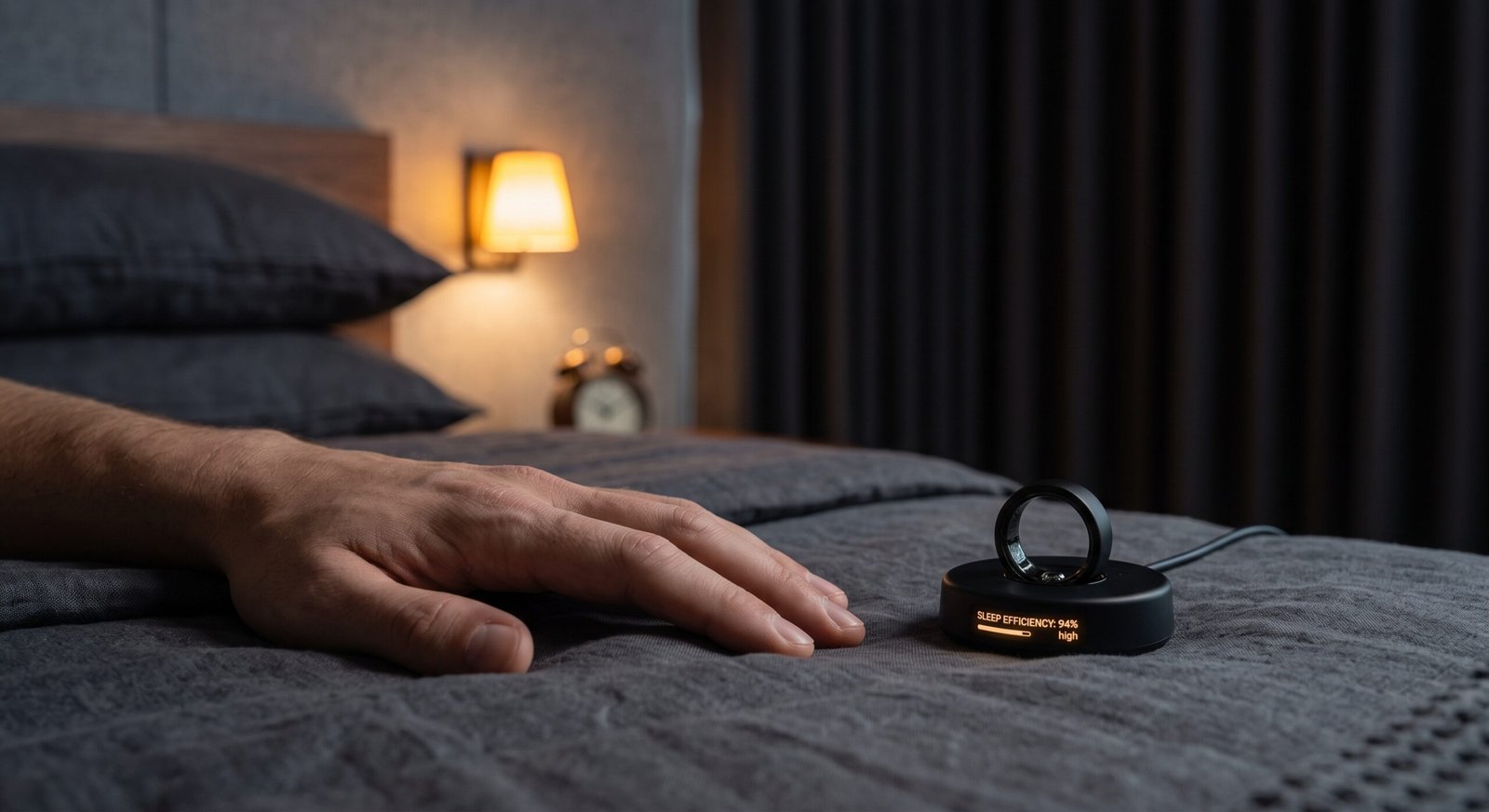
Neurological Down-Regulation: Clearing Somatic Strain
Musculoskeletal strain and sympathetic hyperarousal directly oppose the parasympathetic state needed for high-quality rest:
- Evening Digital Boundary Enforcement: Cease active email processing and fast-paced media consumption 90 minutes prior to retiring to prevent dopamine-fueled cognitive hyperarousal.
- Breath-Driven Vagal Pacing: Perform 5 to 10 minutes of cadence-controlled resonant breathing (4-second inhale, 6-second exhale) to lower heart rate and reduce peripheral vascular resistance.
- Magnesium and Nutrient Support: Supplementing bioavailable forms like magnesium glycinate or L-threonate supports GABAergic neurotransmission, calming the central nervous system without causing daytime grogginess.
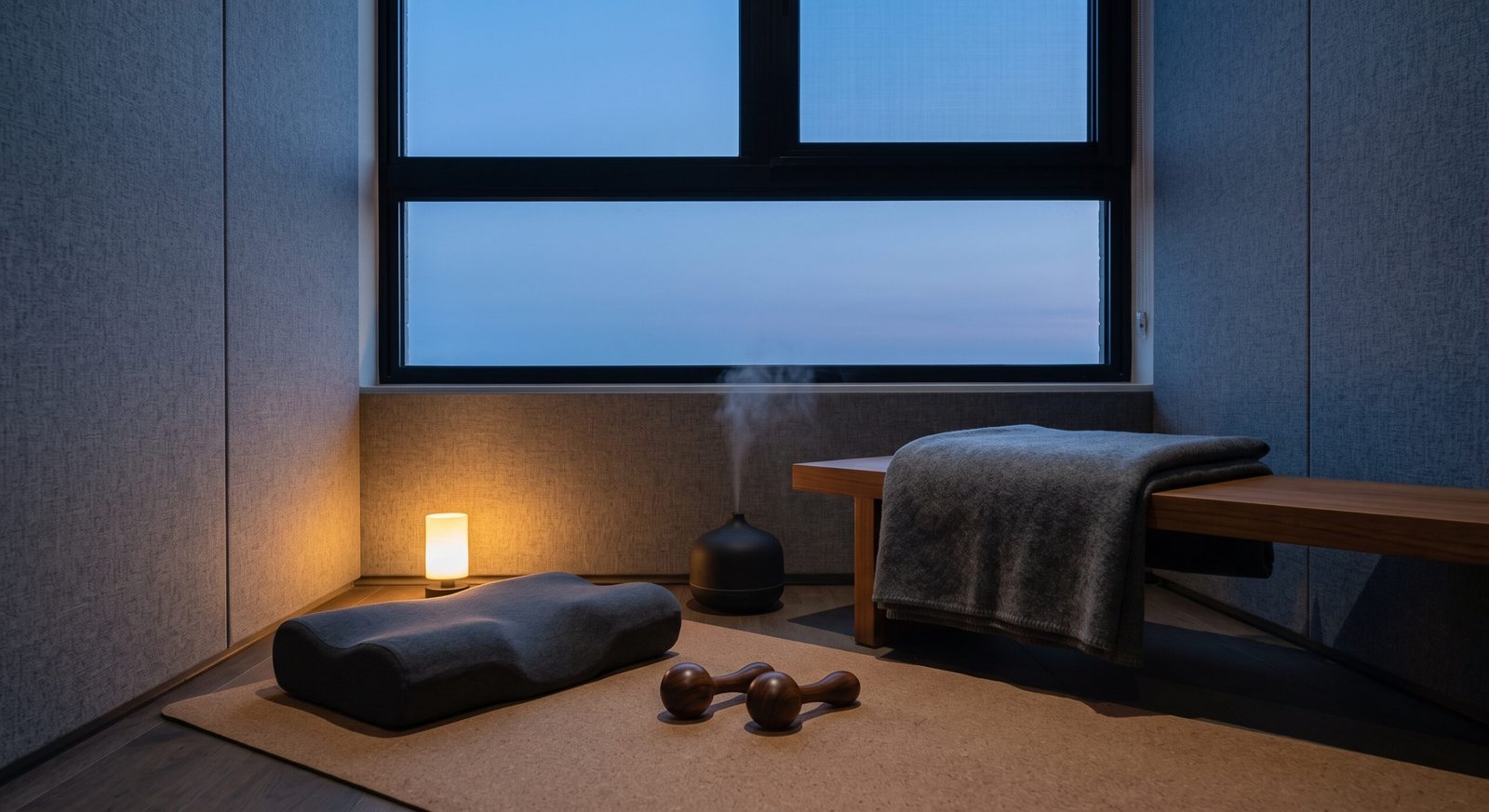
Sustaining Peak Restorative Health
Consistent athletic and cognitive execution relies entirely on how well you recover. By actively managing circadian light cycles, dialing in room temperature, and systematically calming the autonomic nervous system, you turn nightly rest into a powerful biological tool. Prioritizing structured sleep & recovery protocols protects your nervous system, builds long-term vitality, and ensures you perform at your best every single day.
Frequently Asked Questions About Sleep & Recovery
How much deep sleep do adults require each night?
For healthy adults, deep sleep (Stage 3 NREM) should make up approximately 15% to 25% of total sleep time, which equates to roughly 70 to 110 minutes per night. This phase is concentrated heavily in the first half of the sleep cycle, when growth hormone secretion and tissue repair peak.
Can weekend sleep make up for chronic weekday sleep deficits?
Sleeping in on weekends can partially relieve perceived exhaustion, but it does not fully reverse the metabolic and neurological impacts of chronic sleep restriction. Inconsistent weekend wake times can also trigger “social jetlag,” shifting circadian rhythms and making it harder to fall asleep on Sunday night. Maintaining consistent wake and sleep times throughout the week is far more protective.
How does alcohol consumption disrupt nocturnal recovery?
Although alcohol has sedative properties that decrease sleep latency, it severely damages sleep architecture. As the liver metabolizes alcohol, it suppresses REM sleep, induces sympathetic nervous system rebound, raises nighttime resting heart rate, and triggers frequent micro-arousals during the latter half of the night.
1 thought on “Sleep & Recovery: Guide to Alignment and Deep Rest”