
Navigating the contemporary e-commerce landscape requires fundamentally moving beyond standard storefront templates and aggressive customer acquisition ad spend. As third-party cookie deprecation and rising customer acquisition costs (CAC) squeeze margins, digital merchants can no longer rely on single-channel storefronts. Modern operations require composable platforms, lightning-fast site performance, native social purchasing integrations, and rigorous post-purchase fulfillment experiences.
Achieving sustainable profitability demands treating digital commerce as an integrated ecosystem. High-performing retailers are replacing bloated legacy monolithic platforms with headless API-driven stacks, deploying predictive inventory systems, and leaning on zero-party data to personalize buyer journeys. By engineering an agile operational infrastructure, modern businesses can capture cross-border demand, minimize shopping cart abandonment, and turn one-time shoppers into high-retention brand advocates.
Key Takeaways
- Headless and Composable Commerce Drive Agility: Decoupling the frontend user experience from backend business logic allows rapid deployment across mobile web, native apps, social commerce, and smart surfaces without vendor lock-in.
- First-Party and Zero-Party Data Shield Margins: In an era of privacy-centric tracking limitations, collecting explicit user preferences and building direct SMS/email communities lowers CAC and lifts repeat purchase rates.
- Unified Omnichannel Inventory Prevents Stockouts: Syncing warehouse management systems (WMS) with digital storefronts in real time enables click-and-collect, distributed local fulfillment, and optimized shipping routes.
- Checkout Friction Directly Kills Conversion: Adopting one-click frictionless payment processors, local cross-border payment methods, and automated address verification drastically curbs cart abandonment.
Technical Comparison: Monolithic vs. Composable E-commerce Stacks
Selecting the right commercial infrastructure dictates operational velocity, development overhead, and checkout responsiveness.
| Architectural Dimension | Monolithic Platforms (e.g., Traditional Shopify, Magento) | Composable / Headless Stacks (e.g., Medusa, Shopify Hydrogen, Commerce Layer) |
| Frontend Flexibility | Gated by platform-native theme templates and liquid engines | Complete freedom across modern frameworks (Next.js, Remix, Vue) |
| API Integration Capability | Plugin/app-dependent; prone to code bloat and script clashes | Modular API microservices connected via standard REST/GraphQL |
| Page Speed & Core Web Vitals | Often weighed down by third-party tracking scripts and apps | Static site generation ($SSG$) and edge caching yield near-instant loads |
| Internationalization ($i18n$) | Often requires separate sub-stores or expensive enterprise add-ons | Native multi-currency, localized tax, and multilingual routing via APIs |
| Maintenance & Engineering Cost | Low to moderate initial investment; straightforward maintenance | Higher upfront engineering investment; requires dedicated dev resources |
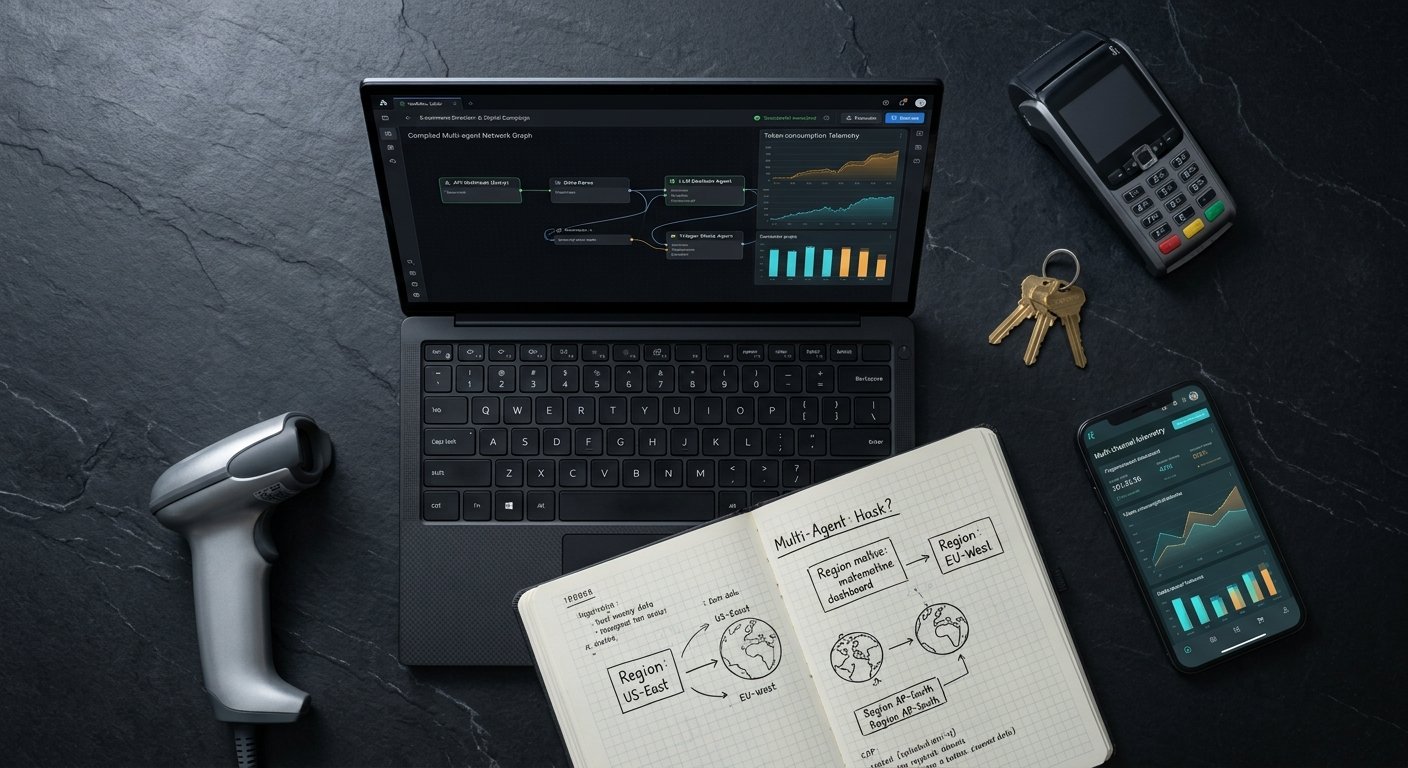
3 Core Pillars of High-Conversion E-commerce Architecture
Scaling an enterprise storefront requires a structured technical foundation focused on speed, personalization, and operational continuity.
1. Headless Architecture and Edge-Delivered Storefronts
Standard monolithic platforms frequently suffer from severe Core Web Vitals degradation as marketing teams layer on third-party tracking pixels and styling scripts.
- Decoupled User Interfaces: By hosting modern frontend applications on global edge networks (such as Vercel or Cloudflare Workers), merchants achieve sub-second page loads that directly boost organic search rankings and checkout completions.
- Omnichannel Endpoint Deployment: With a centralized backend API, launching sales channels across mobile applications, interactive kiosks, or conversational social messaging requires no re-platforming of inventory or payment logic.
2. Zero-Party Data Collection and Retention Personalization
Customer acquisition costs continue to climb, making first-purchase profitability an unsustainable sole focus.
- Interactive Quizzes and Custom Profiles: Solicit explicit sizing, lifestyle, and product preference inputs directly from buyers in exchange for tailored recommendations, building a defensible proprietary database.
- Predictive Lifecycle Marketing: Automate personalized replenishment sequences, warranty reminders, and VIP loyalty incentives triggered by actual consumption intervals rather than generic weekly email blasts.

Omnichannel Logistics: Protecting Margins in Post-Purchase Operations
Customer satisfaction in digital commerce is won or lost long after the checkout button is pressed:
- Distributed Micro-Fulfillment: Store high-velocity inventory across localized regional fulfillment hubs closer to dense customer bases to reduce last-mile delivery fees and shipping transit times.
- Automated Returns and Exchange Portals: Simplify customer self-service returns by offering instant store credit bonuses or one-click size exchanges, salvaging up to 30% of otherwise lost revenue.
- Dynamic Shipping Rate Engines: Integrate real-time carrier rate shopping at checkout to calculate exact postal zone pricing, delivery windows, and sustainable carbon-neutral delivery options dynamically.

Sustainable Growth Through Architectural Discipline
Navigating modern e-commerce demands replacing short-term growth hacks with robust infrastructure and high-retention customer relationships. By migrating toward composable architectures, removing points of checkout friction, and deploying unified inventory management across every physical and digital touchpoint, you insulate your business against rising platform fees. Treating your commercial operation as an integrated technology stack ensures that your storefront scales profitably while consistently exceeding customer expectations.
Frequently Asked Questions About E-commerce
What is the primary difference between headless e-commerce and traditional monolithic e-commerce?
In a traditional monolithic setup, the frontend user interface (themes, templates, layouts) and the backend administrative logic (product catalog, checkout, payment processing) are tightly coupled inside a single software system. In headless commerce, the frontend and backend are completely decoupled and communicate exclusively via application programming interfaces (APIs). This separation allows developers to build custom, ultra-fast user experiences on modern frameworks without being constrained by the backend platform’s built-in templating limitations.
How can digital merchants effectively lower shopping cart abandonment?
Reducing cart abandonment requires eliminating friction throughout the checkout funnel: enable seamless one-click express payment options (such as Apple Pay, Google Pay, and Shop Pay), remove mandatory account creation barriers by offering guest checkout, provide full transparency regarding shipping rates and delivery timelines before the final payment screen, and implement automated address auto-complete tools to prevent mobile typing errors.
Why is zero-party data critical for future e-commerce profitability?
Due to stricter global privacy regulations and browser limitations on third-party tracking cookies, running targeted digital advertising has become more expensive and less precise. Zero-party data—information that consumers intentionally and proactively share with a brand (such as quiz answers, style preferences, and lifestyle needs)—gives merchants accurate, compliant insights to build highly tailored post-purchase journeys, dramatically improving customer lifetime value (LTV) without ongoing advertising expenses.
1 thought on “E-commerce: Playbook for Headless Architecture Plans”