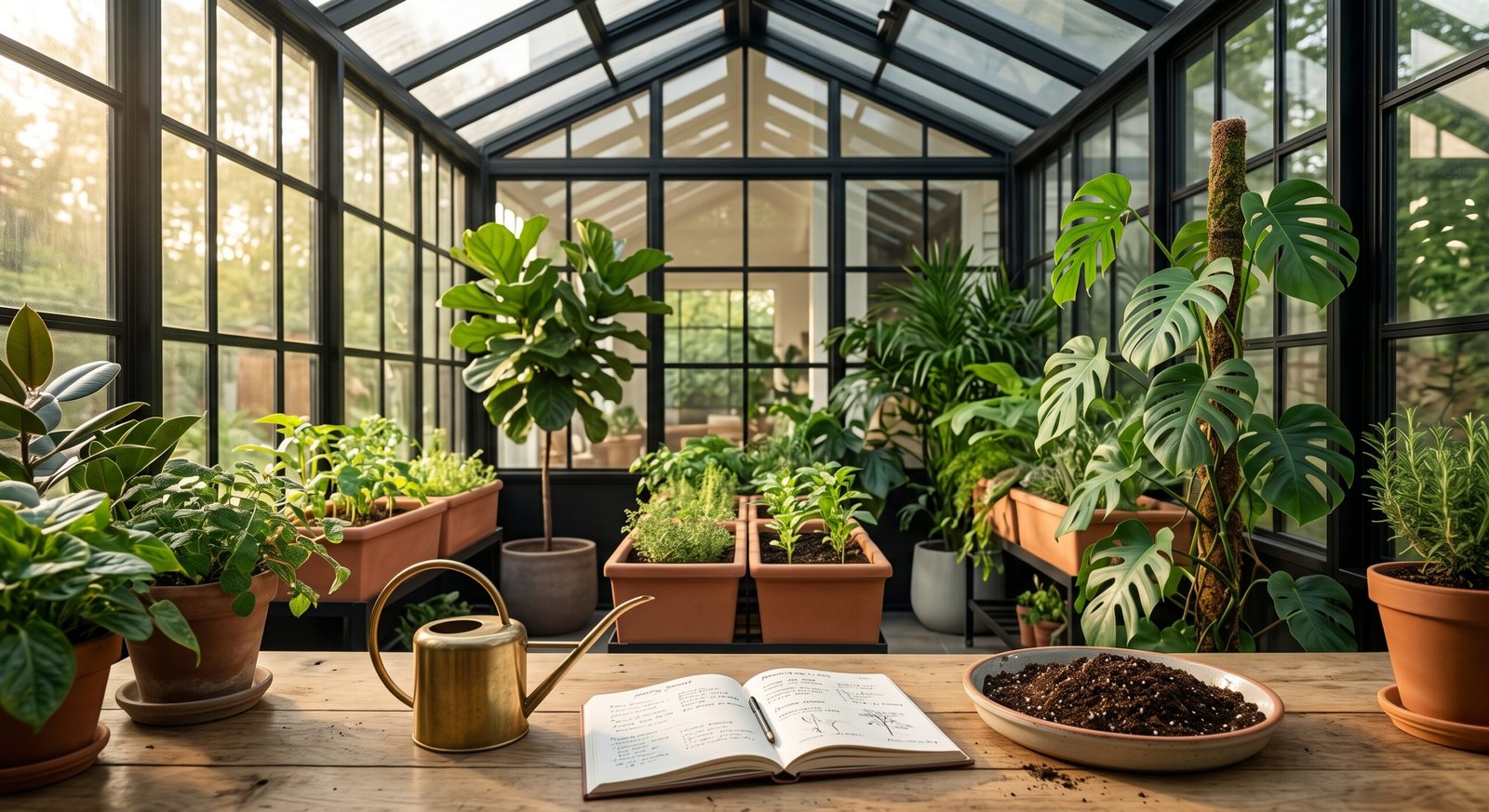
Cultivating vibrant greenery is equal parts biological science and daily observation. Whether managing an indoor foliage collection or cultivating backyard raised beds, mastering plant care & gardening requires moving past arbitrary watering rules and treating your growing environment as a living ecosystem.
When plants fail to flourish, the culprit is rarely a lack of passion—it is usually an imbalance in root aeration, light quality, or soil chemistry. By shifting your approach from reactive problem-solving to systematic plant husbandry, you create an environment where roots expand, pest pressures drop, and foliage thrives across every season.
Key Takeaways
- Prioritize Soil Micro-Ecology: Healthy plant growth depends directly on soil structure, aeration, and beneficial microbial activity rather than synthetic fertilizers.
- Master the Saturation-Drying Cycle: Overwatering is caused by poor drainage frequency and low oxygen availability around root hairs, not the physical volume of water applied in one sitting.
- Match Light Spectra to Physiological Needs: Differentiate between foot-candle intensity and direct radiant heat to protect leaf cuticles from cellular damage.
- Employ Integrated Pest Management (IPM): Address pest infestations with mechanical removal and horticultural biological controls before reaching for broad-spectrum chemicals.
The Four Foundations of Holistic Plant Care & Gardening
Sustainable horticulture relies on balancing four interconnected environmental factors.
| Cultivation Pillar | Ideal Standard | Common Cultivation Mistake | Measurable Impact |
| Soil Drainage | 30% inorganic aeration material (perlite, pumice, orchid bark) | Dense, non-amended garden soil in containers | Prevents hypoxic root rot and optimizes gas exchange |
| Watering Depth | Deep soaking until 15–20% runoff emerges from base drains | Shallow surface sprinkles on dry root balls | Stimulates deep, resilient root development |
| Light Positioning | Measured via foot-candles/lux based on specific genus tolerances | Placing low-light cultivars in unfiltered southern exposure | Stops chlorophyll degradation and sun scorch |
| Nutrient Delivery | Balanced macro ($NPK$) and micronutrient additions during active growth | Heavy fertilization of dormant or water-stressed plants | Eliminates salt burns and root-tip necrosis |
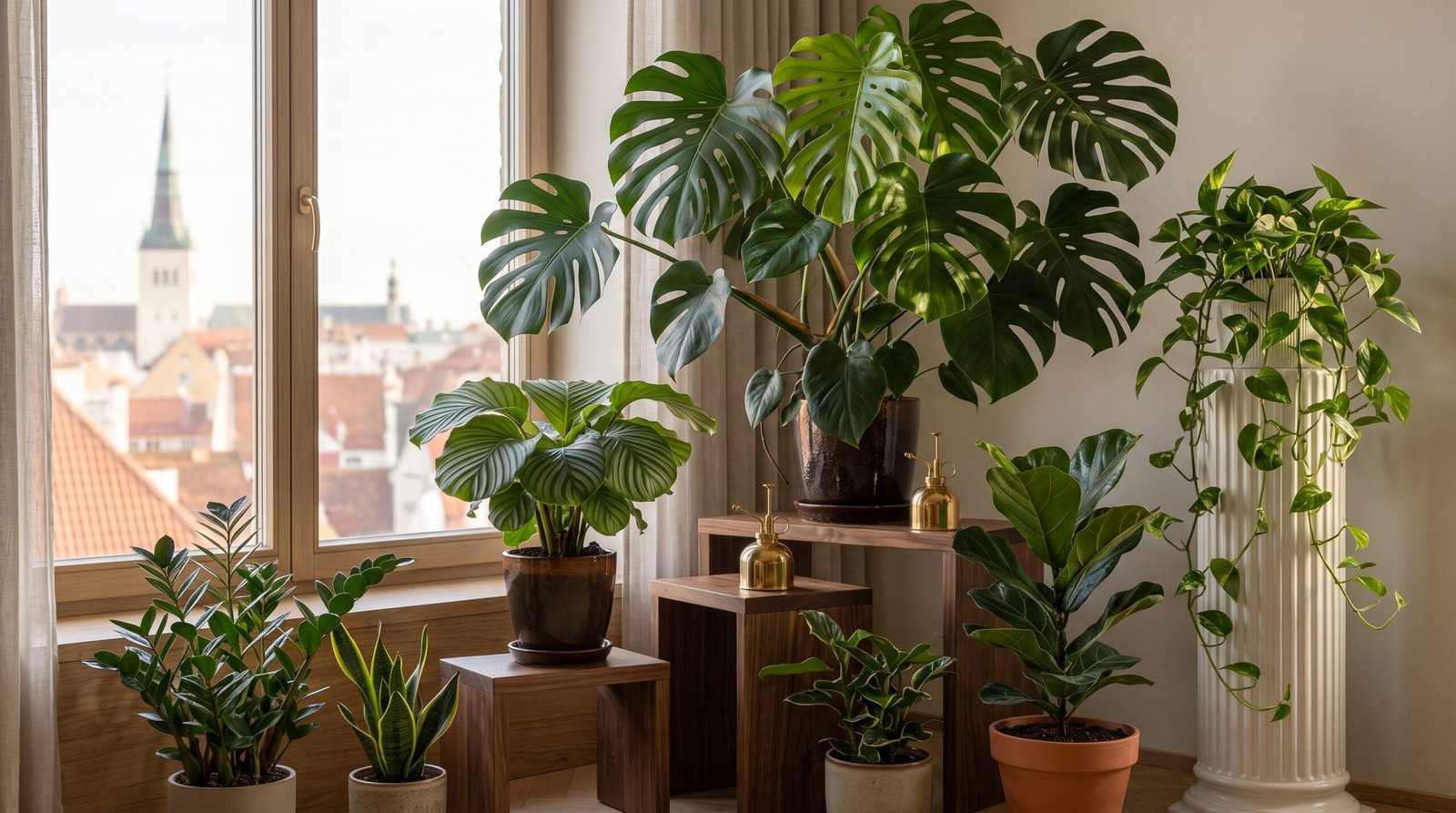
3 Core Pillars of Sustainable Indoor and Outdoor Cultivation
Successful plant care & gardening demands practical, repeatable habits rather than speculative adjustments.
1. Root-Zone Aeration and Soil Physics
Roots need oxygen just as much as water. When potting containers lack adequate porosity, standing moisture expels air pockets, creating anaerobic conditions where pathogens thrive.
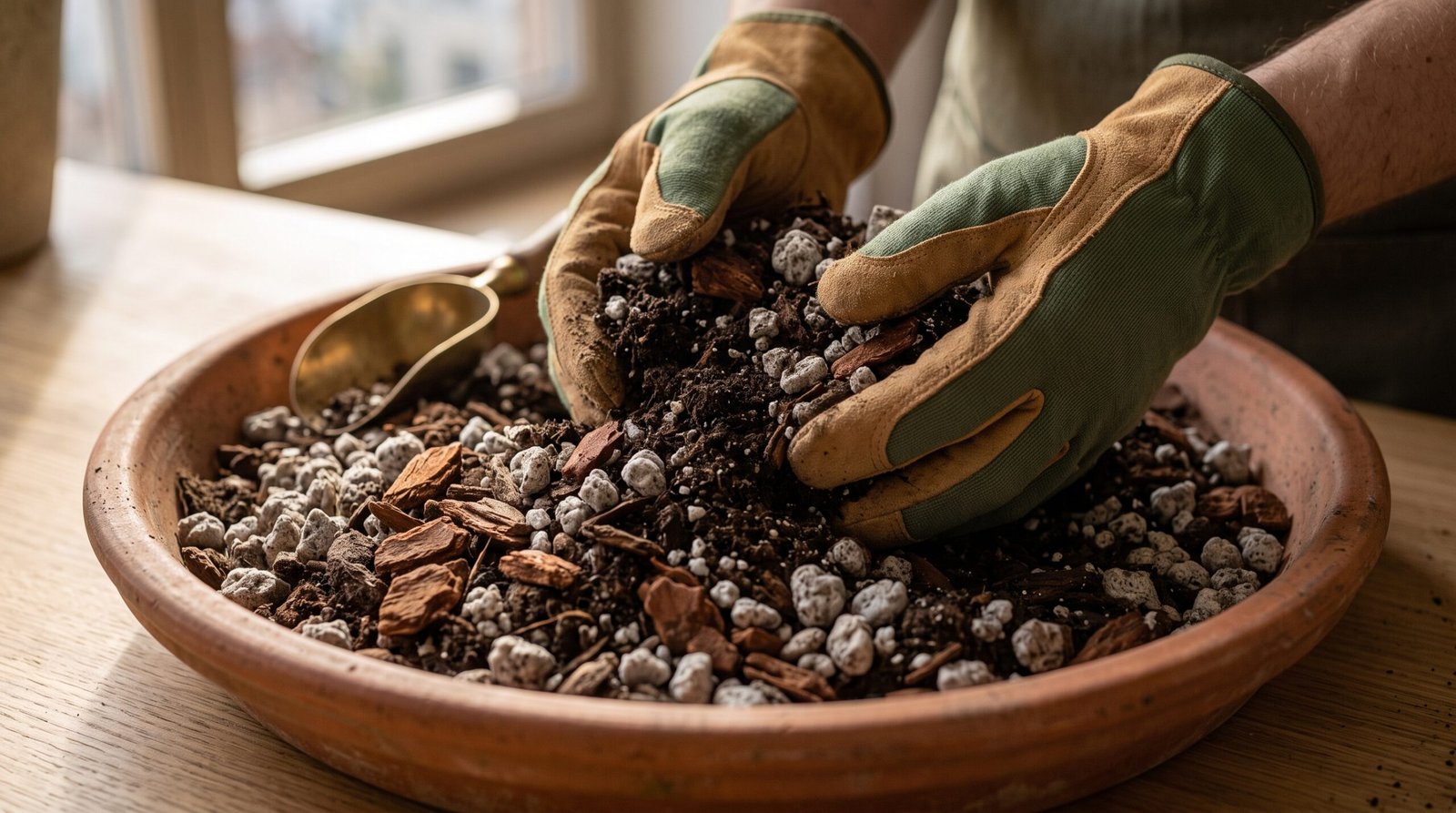
- Custom Blend Foundations: Mix two parts high-grade coco coir or peat moss with one part chunky pumice or perlite, and one part fir bark chips.
- Container Selection: Unglazed terracotta facilitates moisture evaporation through container walls, while non-porous ceramic or plastic containers require lighter, faster-draining substrates.
2. Lighting Architecture: Natural vs. Supplementary Spectra
Photosynthetic efficiency is governed by the quality and duration of light reaching the leaf canopy.
- Direct vs. Bright Indirect Light: Bright indirect light allows a plant to cast a soft-edged shadow without feeling radiant heat on its foliage.
- Supplementary LED Horticultural Lighting: During low-light winter months, position full-spectrum LED fixtures between 12 and 18 inches above the leaf canopy for 10 to 12 hours daily to prevent spindly, weak stems.
Integrated Pest Management: Proactive Defense Over Chemical Warfare
Pests attack when a plant is already physiologically compromised by environmental stress. Follow this tiered intervention model to maintain balance:
- Weekly Leaf Inspections: Inspect the undersides of leaves and leaf-stem junctions for webbing, fine stippling, or scale shells. Early detection prevents colony establishment.
- Mechanical Washing: Blast infested foliage with a firm stream of room-temperature water to dislodge spider mites, aphids, and thrips without chemical intervention.
- Biochemical and Beneficial Insect Controls: Apply cold-pressed neem oil formulations or potassium-based insecticidal soaps during early mornings or late evenings to prevent phototoxic foliage burning.
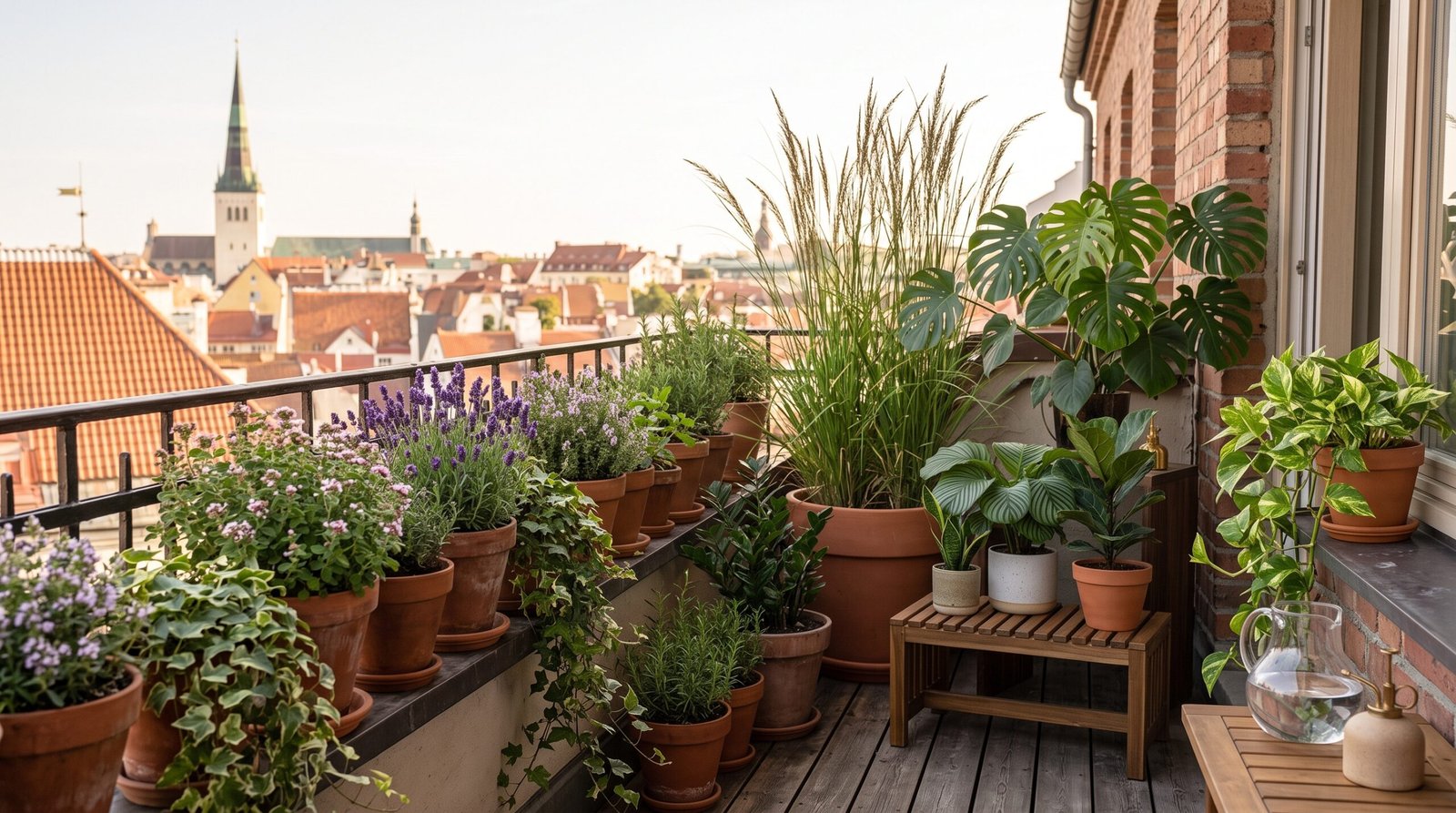
Fostering a Lasting Botanical Connection
Transforming your living space with plants is an ongoing process of tuning in to seasonal shifts, water demands, and natural light cycles. When you establish dependable soil structures, water based on root-zone dryness rather than calendar dates, and catch pests early, your home becomes a thriving sanctuary. Master these foundations of plant care & gardening to cultivate green spaces that endure and reward you for years to come.
Frequently Asked Questions About Plant Care & Gardening
How can I reliably tell if my plant needs water without guessing?
Insert a wooden skewer or your finger 2 inches into the soil. If the medium feels cool and clings to the wood or skin, sufficient moisture remains around the root core. Only apply water when the top two inches have dried out completely for tropical varieties, or when the entire container has dried out for succulents and drought-tolerant cultivars.
What causes leaf tips to turn brown and crispy?
Crisp brown foliage margins typically stem from three environmental factors: low ambient relative humidity (below 40%), tap water mineral accumulation (such as chlorine, chloramines, or fluorides), or prolonged periods of underwatering followed by heavy, sudden drenching.
Is synthetic fertilizer better than organic compost in home gardening?
Synthetic fertilizers deliver immediately bioavailable mineral salts that promote rapid vegetative growth, but they do little to support long-term soil structure. Organic compost and worm castings gradually release balanced nutrients while feeding beneficial soil fungi and microbes, building a resilient root system that resists drought and disease.
1 thought on “Plant Care & Gardening: Blueprint for Thriving Spaces”