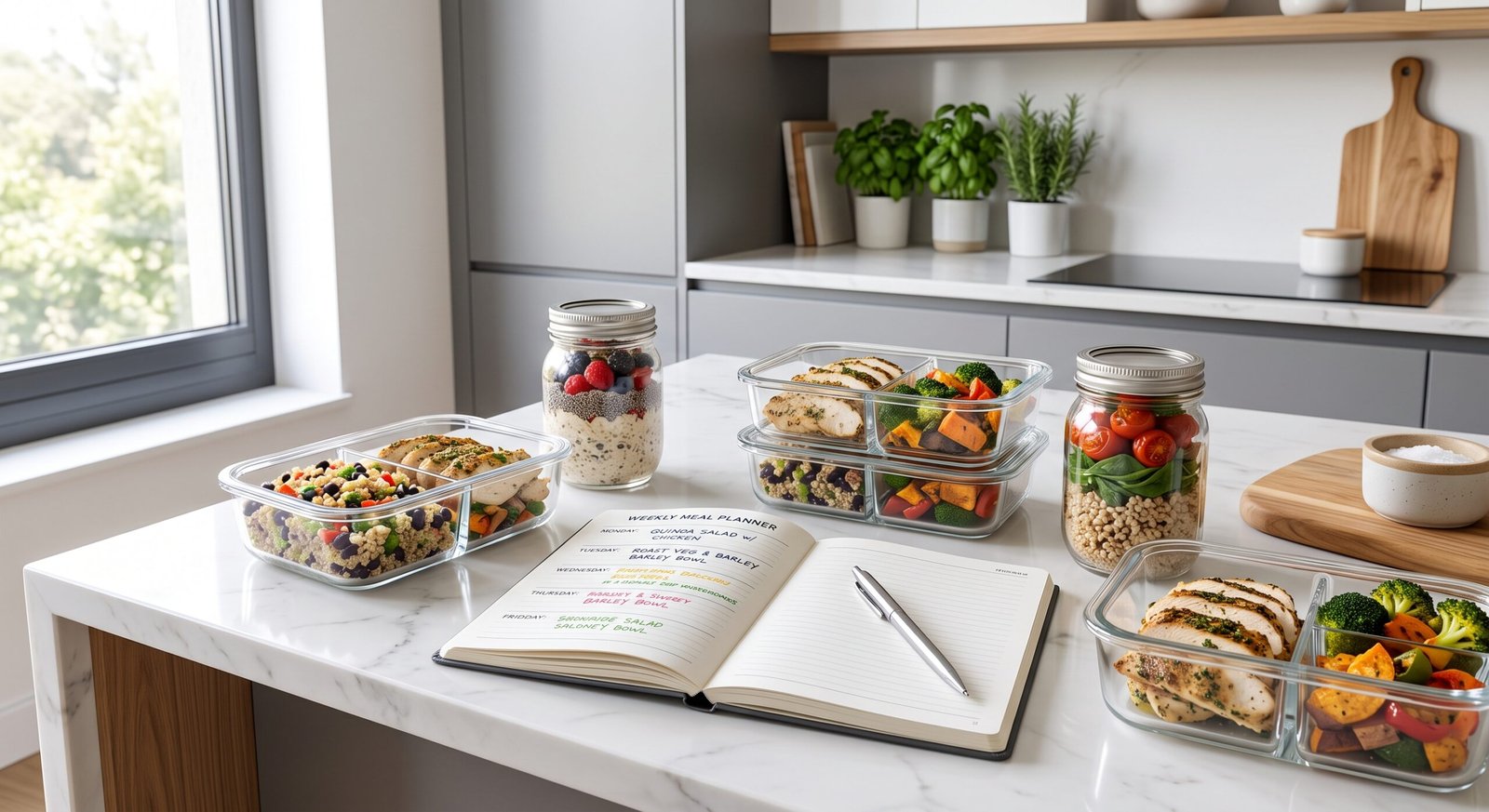
Deciding what to eat at the end of an exhausting workday often leads to takeout orders, expensive grocery runs, and avoidable food waste. Structured meal planning transforms this daily friction into a streamlined, predictable system that saves money, preserves mental bandwidth, and improves overall diet quality.
Far from rigid schedules or bland, repetitive containers, modern meal planning functions as a customizable framework. By aligning your grocery procurement with realistic cooking schedules, you take control of your nutrition while spending less time wondering what to prepare for dinner.
Key Takeaways
- Design for Flexibility: Successful meal planning accounts for leftovers, social dinners, and low-energy nights rather than scheduling complex meals seven days a week.
- Shop from the Pantry Outward: Audit dry goods, freezer proteins, and existing perishables before drafting a grocery list to minimize redundant purchases.
- Anchor Around Core Proteins and Grains: Base multiple distinct meals on a single primary batch of seasoned legumes, grains, or roasted meats to slash active kitchen time.
- Protect Produce Freshness: Pre-wash, dry, and store leafy greens and roots with breathable barriers to preserve shelf life across the entire week.
Core Strategies for Sustainable Meal Planning
A reliable system balances nutritional goals with everyday routines. Use this progressive structure to design a sustainable weekly meal schedule:
| Planning Stage | Actionable Focus | Primary Tool | Time Investment |
|---|---|---|---|
| 1. Kitchen Audit | Inventory existing proteins, grains, and produce | Dry pantry checklist | 10 minutes |
| 2. Calendar Mapping | Identify busy weeknights, dining out, and prep days | Digital or paper planner | 15 minutes |
| 3. Batch Selection | Pick 2 base proteins, 2 whole grains, and seasonal vegetables | Master recipe index | 15 minutes |
| 4. Procurement | Build a categorized shopping list organized by store aisle | Mobile notes app | 20 minutes |
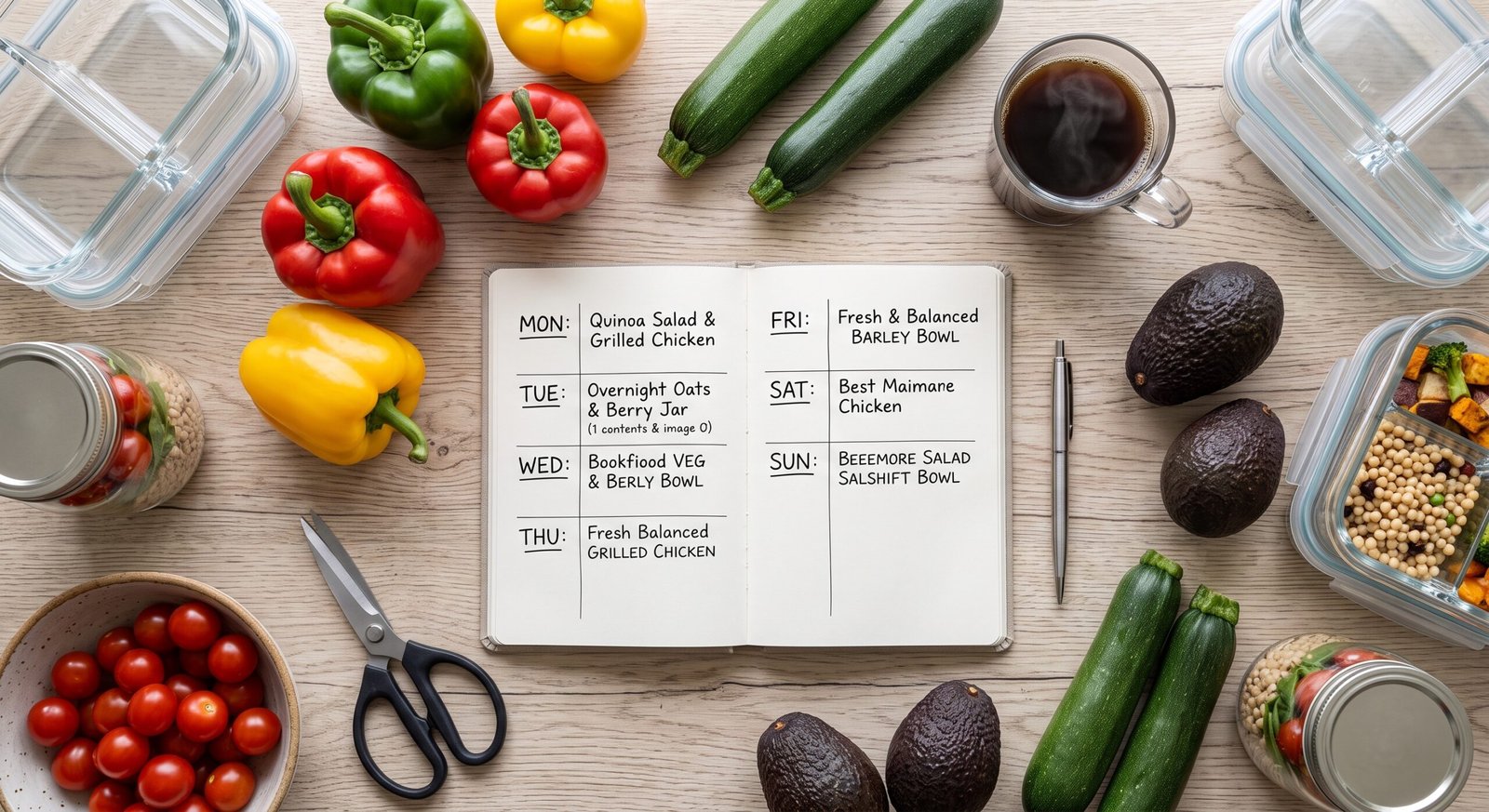
Batch Cooking vs. Component Prep: Choosing Your Method
Most meal planning efforts collapse under the weight of excessive cooking. Selecting the prep style that matches your palate prevents meal fatigue.
1. The Full Batch-Cook System
This method involves cooking complete dishes—such as turkey chili, vegetable curry, or baked ziti—in high volumes and portioning them directly into individual containers. It works best for individuals who value grab-and-go convenience and do not mind eating the same meal across consecutive days.
2. The Modular Component Approach
Rather than cooking full dishes, modular prep focuses on building versatile culinary components:
- Two Complex Carbohydrates: Brown basmati rice, roasted sweet potato wedges, or farro.
- Two High-Yield Proteins: Herb-marinated baked chicken thighs, pan-seared tofu, or seasoned black beans.
- Three Fresh Vegetables: Steamed broccoli, roasted Brussels sprouts, and shredded red cabbage slaw.
- Two Distinct Flavor Sauces: Lemon-herb vinaigrette and spicy peanut sauce.
By mixing and matching these prepared elements with different sauces, you assemble unique, fresh meals in under ten minutes without eating identical dinners.
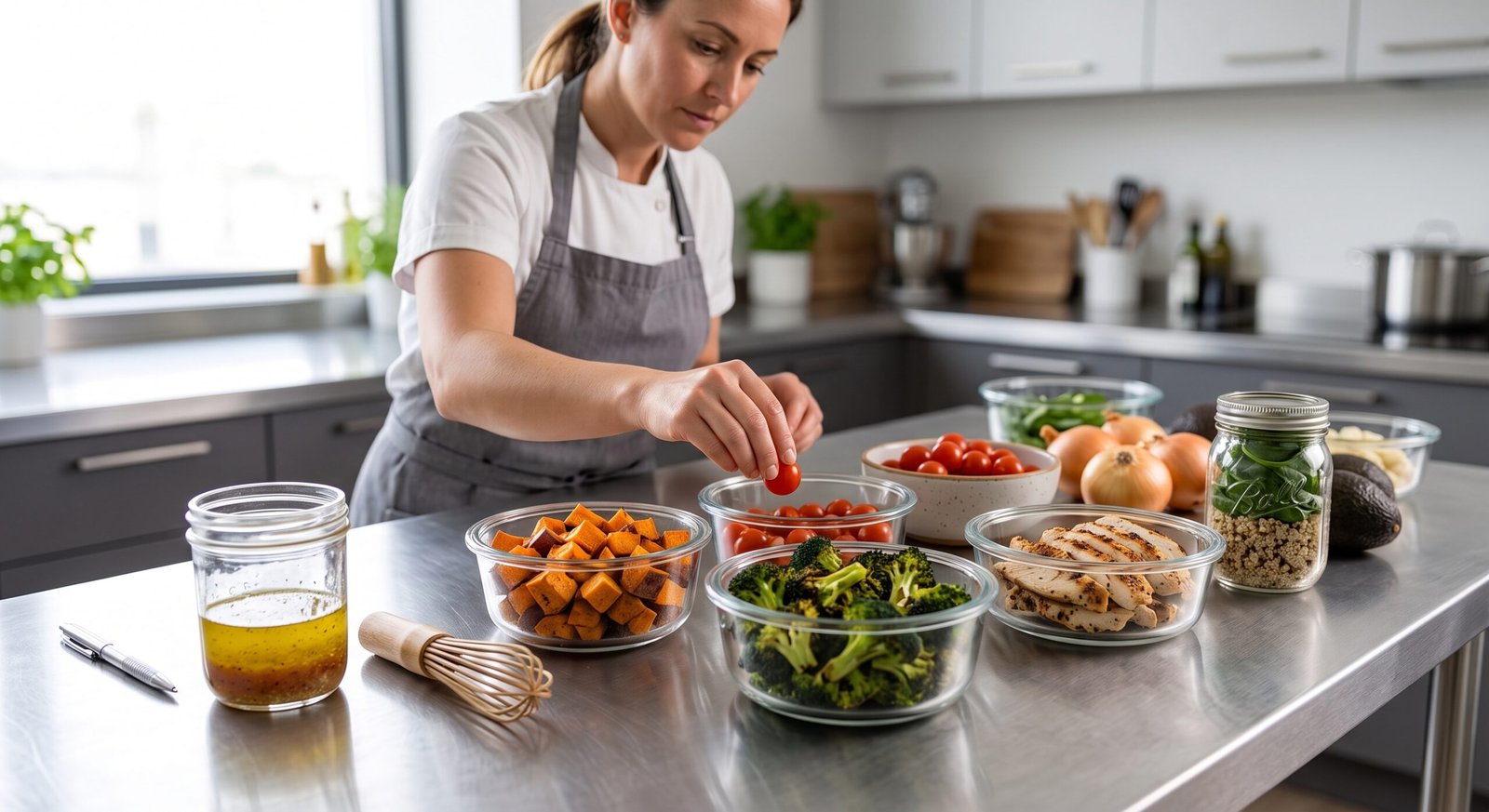
Safe Food Storage and Preservation Protocols
- Cool Food Quickly: Never place piping-hot containers directly into the refrigerator, as this raises the internal ambient temperature and endangers nearby items. Allow cooked food to cool to room temperature for no more than 60 minutes before sealing.
- Use Airtight Glass Containers: Glass does not leach odors, resists tomato acid staining, and transitions safely between the refrigerator, microwave, and oven.
- Apply the Three-Day Guideline: Most prepared animal proteins and cooked seafood stay fresh for three to four days in a standard refrigerator. Freeze portions intended for consumption beyond the four-day threshold.
Overcoming Common Meal Planning Pitfalls
- Avoid Over-Ambitious Menus: Planning five brand-new, complex recipes in a single week leads to burnout. Limit yourself to one new recipe per week and rely on proven, simple favorites for remaining days.
- Build In Buffer Days: Designate at least one night for repurposing leftovers and another for quick pantry staples, such as frittatas or grain bowls.
- Prep Produce Promptly: Vegetables that require peeling, trimming, and chopping stay untouched during busy weeknights. Wash, dry, and slice resilient produce immediately after unpacking groceries.
Unlocking Long-Term Consistency
Sustainable meal planning is an operational habit that compounds over time. By moving away from rigid perfectionism and embracing modular component prep, smart grocery audits, and proper food preservation, you simplify weeknight dinners while hitting your nutritional targets. Treat your meal plan as an adaptable roadmap that supports your lifestyle rather than a restrictive set of rules.
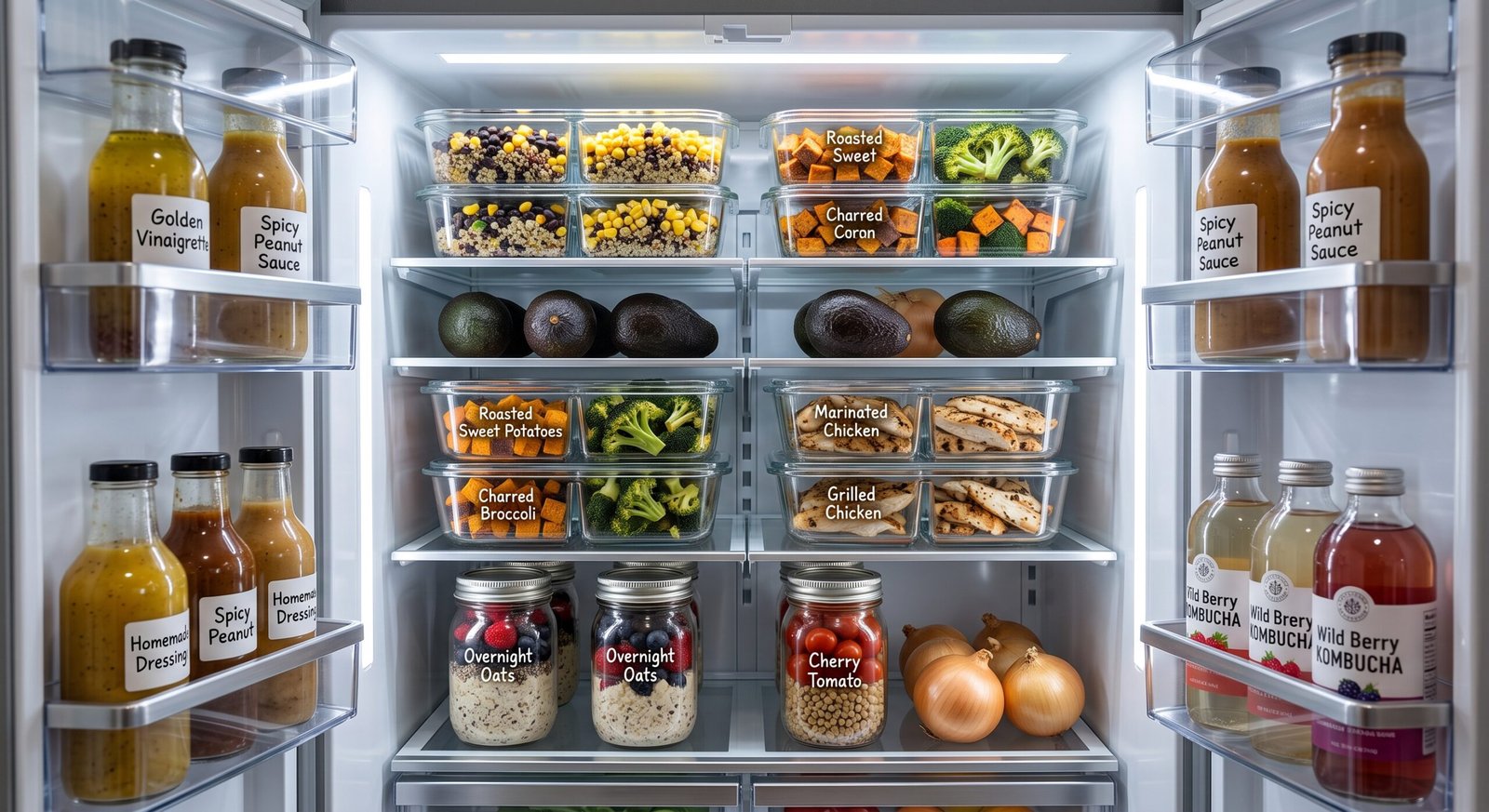
Frequently Asked Questions About Meal Planning
How many days in advance should I plan meals?
Planning five days at a time is optimal for most households. It provides reliable coverage for the busy workweek while leaving weekends flexible for spontaneous dining, leftovers, or social engagements.
What is the easiest way to start meal planning for beginners?
Begin by planning just three dinners for the upcoming week. Once you comfortably manage grocery procurement and execution for those three nights, gradually expand to include weekday lunches or breakfasts.
How do I prevent prepped food from getting soggy?
Store dressings and sauces in separate miniature containers and add them immediately before serving. Additionally, place a folded paper towel inside containers holding washed greens to absorb excess moisture and prevent early wilting.
1 thought on “Meal Planning: Complete Guide to Effortless Eating”