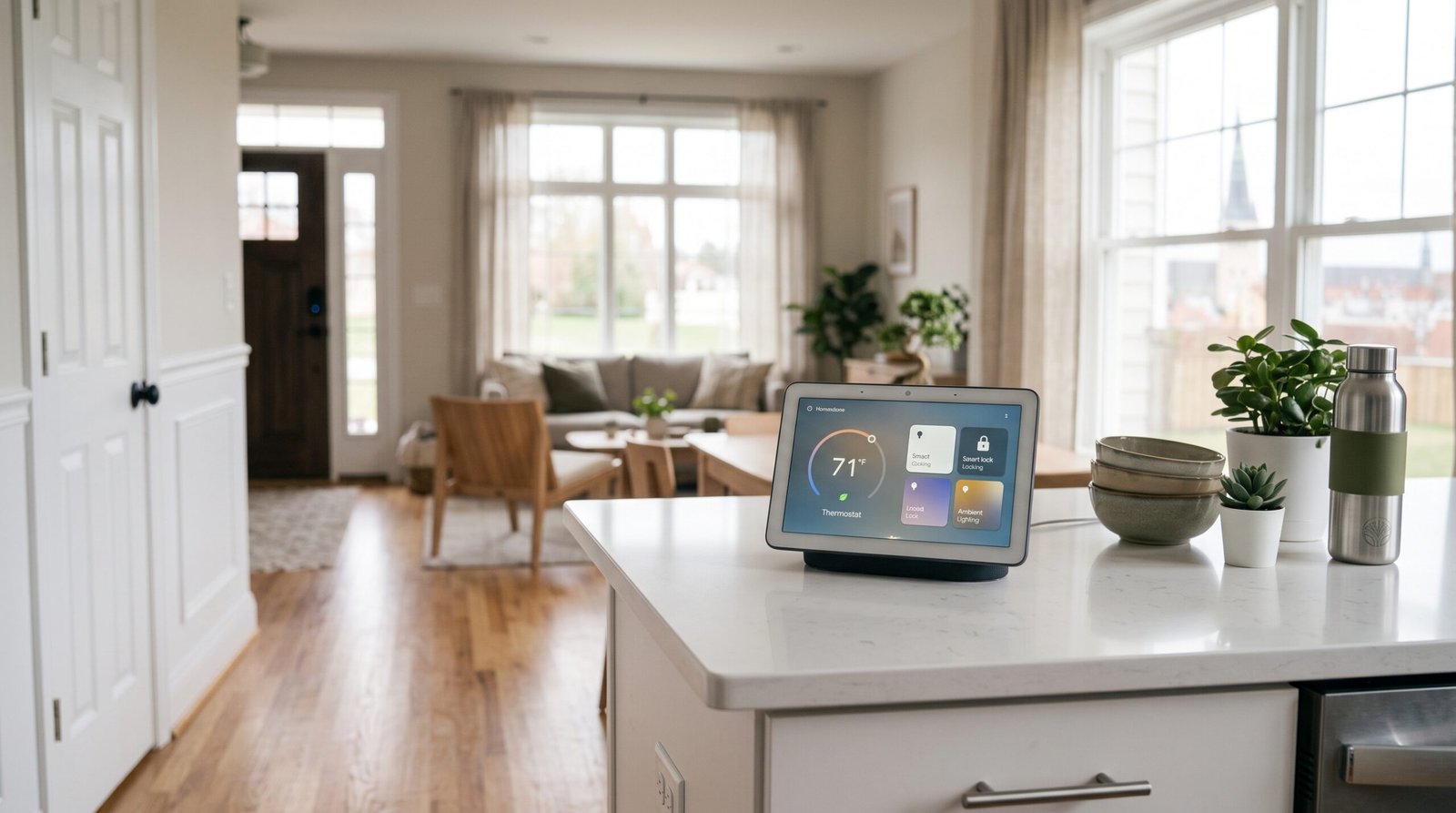
Transforming a traditional house or apartment into an intuitive, responsive environment no longer requires running high-voltage wiring through your drywall or hiring expensive custom AV contractors. Embracing modern connected living comes down to selecting focused, high-yield improvements that remove friction from everyday routines. By implementing practical simple automation upgrades, you can strengthen home security, slash monthly electric and heating bills, and streamline daily chores without dealing with technical headaches.
Whether you rent an apartment or own a suburban home, setting up cross-device automations has never been more straightforward. Investing in these simple automation upgrades allows you to build a smarter home at your own pace without overspending.
Key Takeaways
- Universal Connectivity (Matter & Thread): Selecting devices built on Matter standards ensures your smart plugs, bulbs, and thermostats work together across Apple Home, Google Home, and Alexa without vendor lock-in.
- Measurable Energy Savings: Smart thermostats and automated plugs eliminate phantom energy draw and prevent HVAC units from conditioning empty rooms, directly lowering monthly utility bills.
- Non-Invasive Security: Wireless smart deadbolts and video doorbells provide instant guest access, package alerts, and remote access monitoring without replacing exterior door jambs.
- Routine Automation Over Manual Control: The true advantage of smart home tech comes from automated triggers—such as geofenced “Away” profiles and schedule-based “Good Morning” scenes—rather than constantly opening smartphone apps.
1. Top Smart Upgrades Compared: Effort vs. Monthly Payoff
| Repair Task | Primary Tool Needed | Estimated Fix Time | Average DIY Savings vs. Handyman Call |
| Smart Plugs (Energy Monitoring) | 5 Minutes | No (Plug-and-play) | Eliminates phantom load; cuts idle energy draw 5–10% |
| Smart LED Bulbs & Switches | 10–15 Minutes | Bulbs: No / Switches: Yes | Automates schedules, reduces lighting runtimes |
| Smart Thermostat (ENERGY STAR) | 30 Minutes | Low (Standard C-Wire) | Saves an average of 8–12% on heating & cooling |
| Smart Deadbolt & Keypad | 20 Minutes | No (Battery-operated) | Hands-free entry, temporary guest access codes |
| Water Leak Sensors | 5 Minutes | No (Battery-operated) | Instant phone push alerts; prevents catastrophic flooding |
2. Intelligent Climate Control: Slashing Seasonal Utility Costs
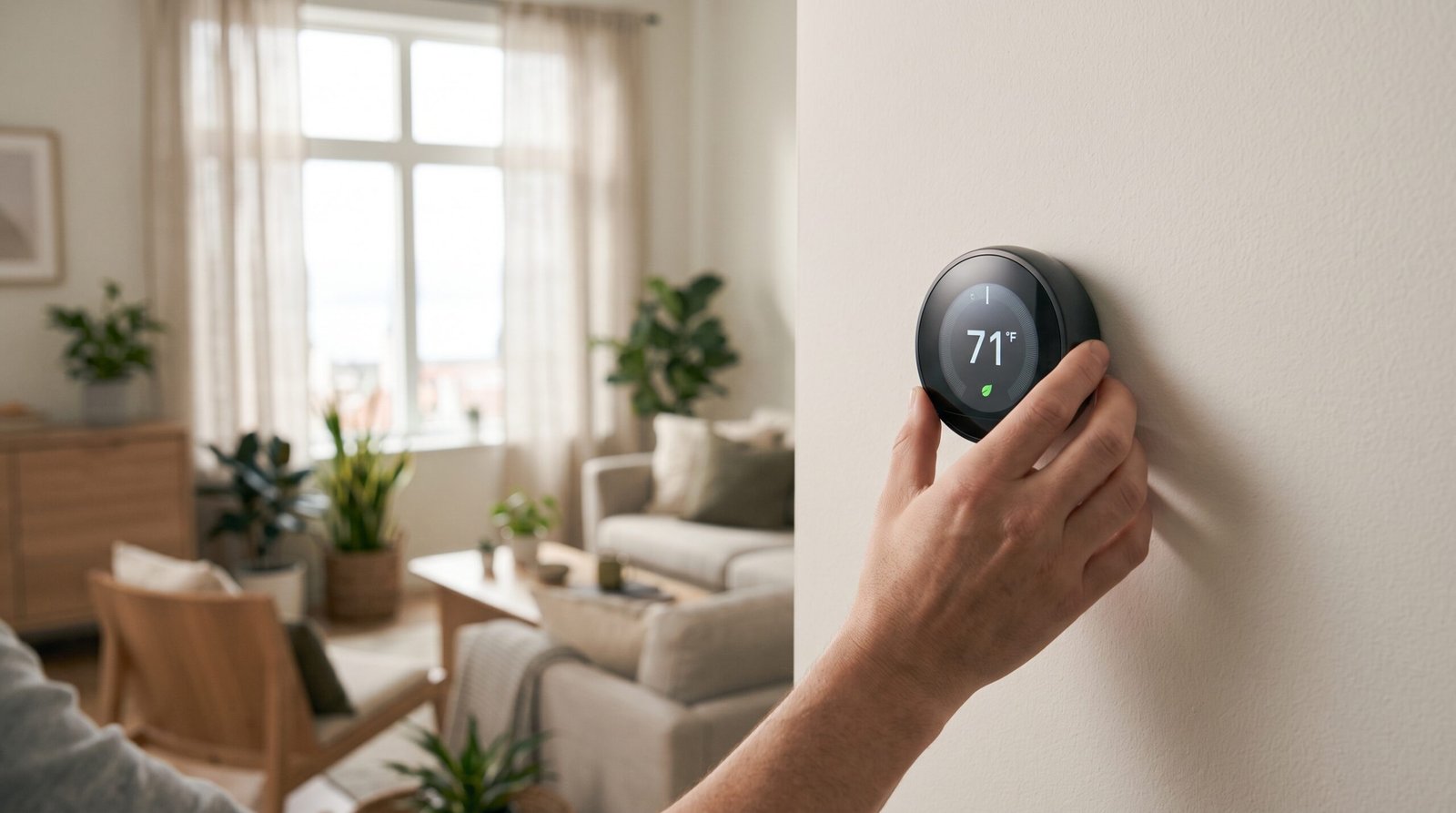
Heating and cooling account for roughly half of the average American household’s annual energy consumption. Upgrading to a smart thermostat stands as one of the most cost-effective simple automation upgrades available.
- Geofencing & Adaptive Scheduling: Rather than keeping your furnace or central AC running full blast while you are at work, smart thermostats use your phone’s location and onboard occupancy sensors to dial temperatures back into energy-saving Eco modes automatically.
- Multi-Room Temperature Balancing: Traditional thermostats only read the temperature in the central hallway, leaving upstairs bedrooms sweltering or basements freezing. Placing wireless remote sensors in your home office or master bedroom ensures your HVAC unit optimizes temperature where your family actually spends time.
- Utility Rebate Eligibility: Most US electric and natural gas utilities offer instant $50 to $100 bill credits or rebates when you install an ENERGY STAR-certified smart thermostat.
3. Seamless Entryway Security and Access Control
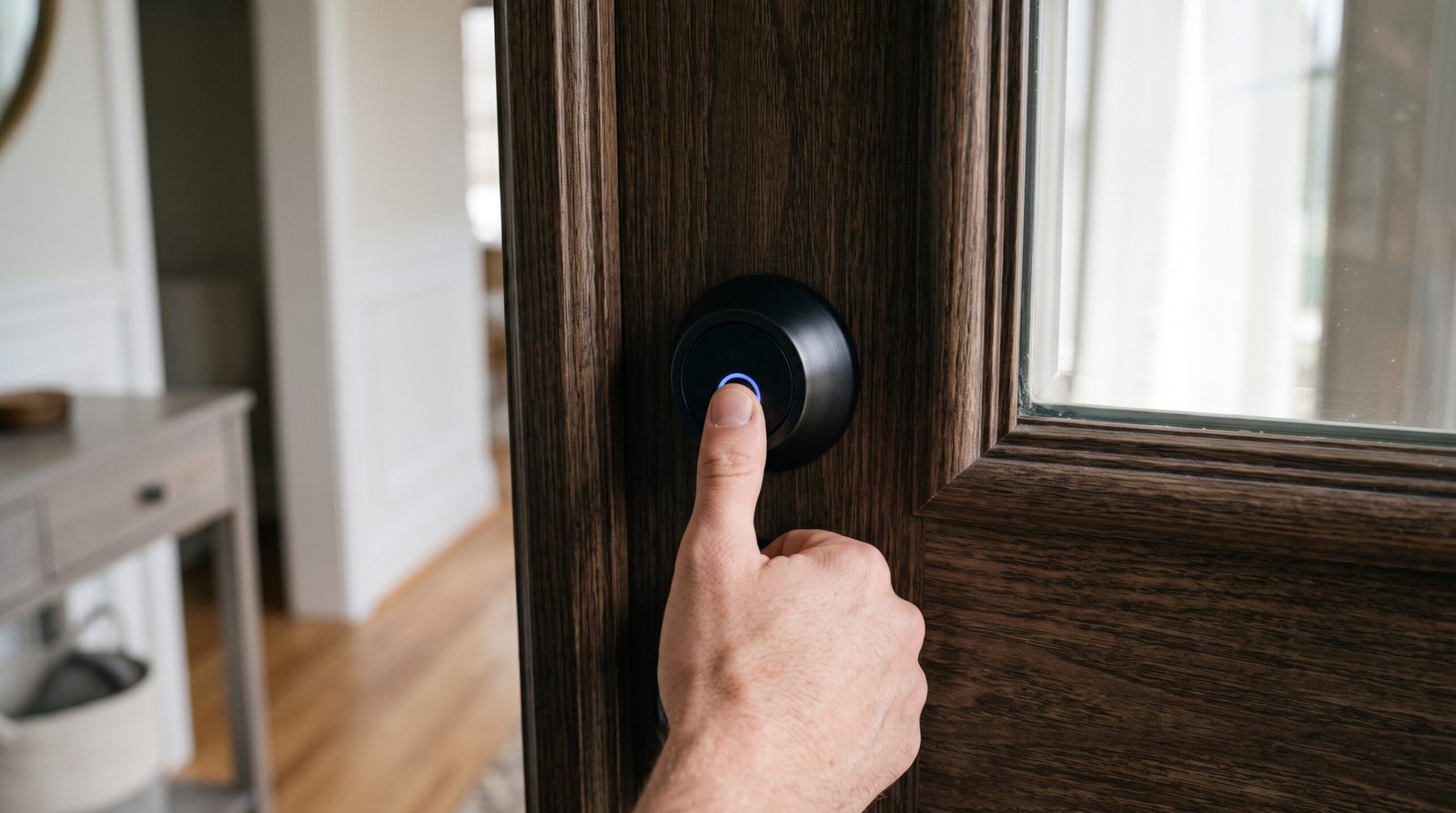
Among popular simple automation upgrades, replacing outdated deadbolts and standard doorbells with connected hardware enhances peace of mind while making everyday access effortless for deliveries and guests.
- Keyless Smart Deadbolts: Replace your standard mechanical thumb-turn with a smart deadbolt to unlock your door via fingerprint, numeric keypad code, or proximity Bluetooth. You can generate time-sensitive temporary PIN codes for dog walkers, house cleaners, or visiting family members without making physical key copies.
- Automated Door Contact Sensors: Inexpensive wireless contact sensors mounted to door frames can automatically trigger hallway lights the instant you open the door after sundown.
- Video Doorbells with Package Detection: Modern battery or low-voltage doorbells use onboard AI to differentiate between passing neighborhood traffic, pets, and delivery couriers dropping boxes on your front porch, reducing annoying false alarms on your phone.
4. Routine-Based Smart Living: Putting Your Home on Autopilot
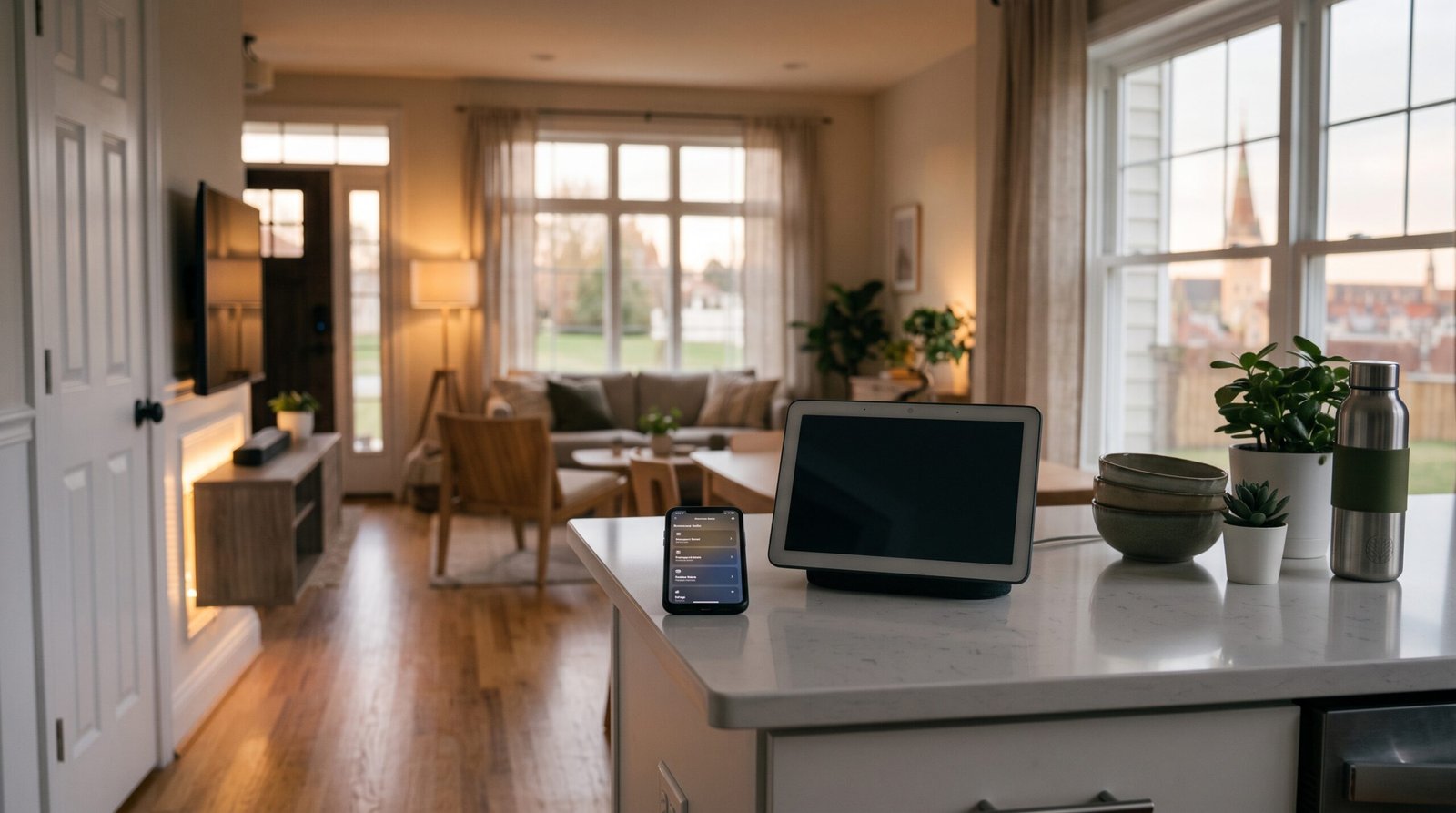
The real magic of home automation happens when individual gadgets talk to each other without requiring manual input. Executing these simple automation upgrades through multi-device routines unifies your lighting, temperature, and security into cohesive background events.
Recommended Daily Automation Profiles
- Good Morning Scene (6:45 AM): Bedroom motorized blinds slowly open, bedside lamps gently fade up with warm light to prevent grogginess, and the thermostat raises the ambient temperature to a comfortable 70°F.
- Away Routine (Triggered via Geofencing): As your smartphone leaves a 500-foot perimeter around your home, all interior smart bulbs turn off, the front door deadbolt locks automatically, robot vacuums begin their cleaning run, and security cameras arm.
- Evening Wind-Down (10:00 PM): Main overhead ceiling lights shut down, perimeter door sensors confirm all exterior entrances are latched, exterior porch lights dim to 20%, and the thermostat dials back to a sleep-friendly 65°F.
Frequently Asked Questions (FAQs)
What are the easiest simple automation upgrades for complete beginners?
Smart plugs and smart bulbs are the ideal starting point when exploring simple automation upgrades. They require zero electrical wiring knowledge, plug straight into standard 120V household outlets and lamp sockets, and can be configured through a smartphone app in less than five minutes.
Do I need a dedicated hardware hub to start automating my home?
Not necessarily. Many standalone smart devices connect directly through your home’s existing 2.4 GHz Wi-Fi or Bluetooth network. However, adding a universal Matter controller (such as an Apple HomePod, Google Nest Hub, or Amazon Echo) makes it significantly easier to manage your simple automation upgrades cross-brand and control devices locally when the internet is down.
How much money can simple automation upgrades actually save on electric bills?
By combining an ENERGY STAR smart thermostat with automated smart plugs to turn off idle home office monitors and entertainment centers, the average US household saves approximately $100 to $180 per year in heating, cooling, and vampire electricity costs.
Are smart home automation devices rental-friendly?
Yes! Most high-impact simple automation upgrades—like smart plugs, plug-in water leak sensors, smart bulbs, and battery-powered video doorbells—require no drilling or permanent electrical modification, making them 100% rental-friendly.
Final Thoughts
Adopting simple automation upgrades is not about buying every novelty gadget on the market; it is about eliminating small daily inconveniences and making your living space work for you. By beginning with high-impact targets like automated climate controls, intelligent entryway security, and scheduled lighting scenes, you create an effortless home environment that pays for itself in lower utility bills and daily peace of mind. Choose one room or routine to automate this week, connect your first smart device, and experience modern living firsthand.