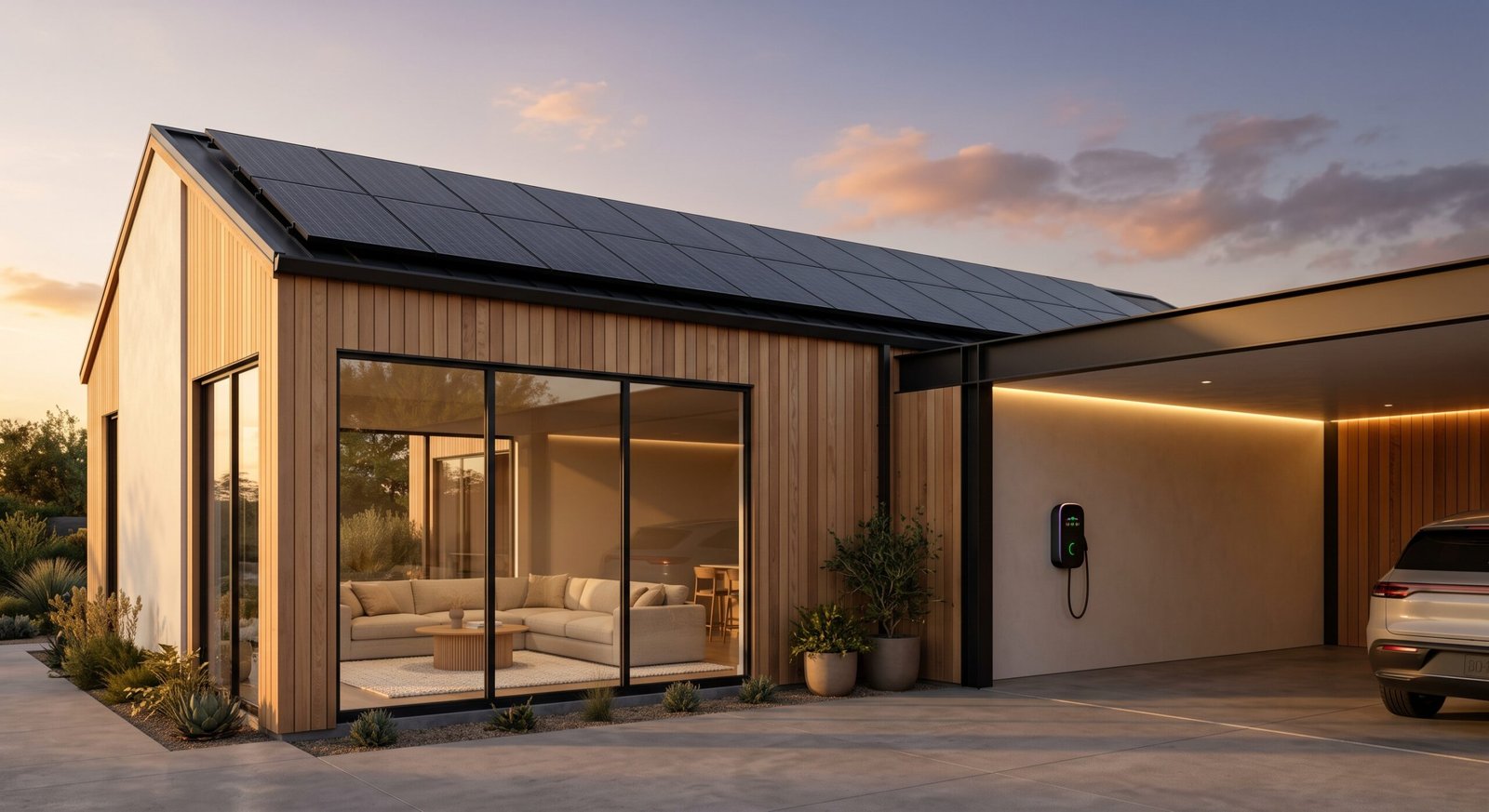
Managing residential utility expenses requires shifting away from passive consumption toward proactive load management. A comprehensive approach to home energy efficiency addresses the underlying physics of thermal transfer, air exchange, and electrical baseloads rather than relying solely on minor habit changes like switching off lightbulbs.
Rising electricity tariffs and extreme seasonal temperature swings place heavy demands on heating and cooling systems. By optimizing your property’s building envelope, electrifying mechanical systems, and adopting digital monitoring, you stabilize indoor temperatures, reduce carbon footprints, and sharply decrease recurring operating expenses.
Key Takeaways
- Envelope Performance Precedes Generation: Sealing air leaks and upgrading attic insulation yields a higher return on investment than installing solar panels on an inefficient home.
- Coefficient of Performance (COP) Matters: Cold-climate heat pumps deliver between 200% and 400% efficiency, outperforming traditional natural gas furnaces and electric resistance heaters.
- Eliminate Phantom Loads: Standby power from idling consumer electronics accounts for up to 10% of total residential electrical consumption.
- Time-of-Use Optimization: Programmable smart thermostats and battery storage shift high-energy processes away from expensive peak-tariff utility hours.
The Four Tiers of Residential Energy Auditing
Systematic efficiency improvements require identifying where power and conditioned air escape.
| Audit Stage | Diagnostic Tool | Primary Focus | Expected Efficiency Gain |
|---|---|---|---|
| Air Infiltration | Blower door depressurization | Window joints, baseboards, unsealed recessed lights | 15%–25% reduction in heating/cooling loss |
| Thermal Bridging | Infrared thermography camera | Exterior wall studs, missing attic insulation, sill plates | 10%–20% improvement in thermal retention |
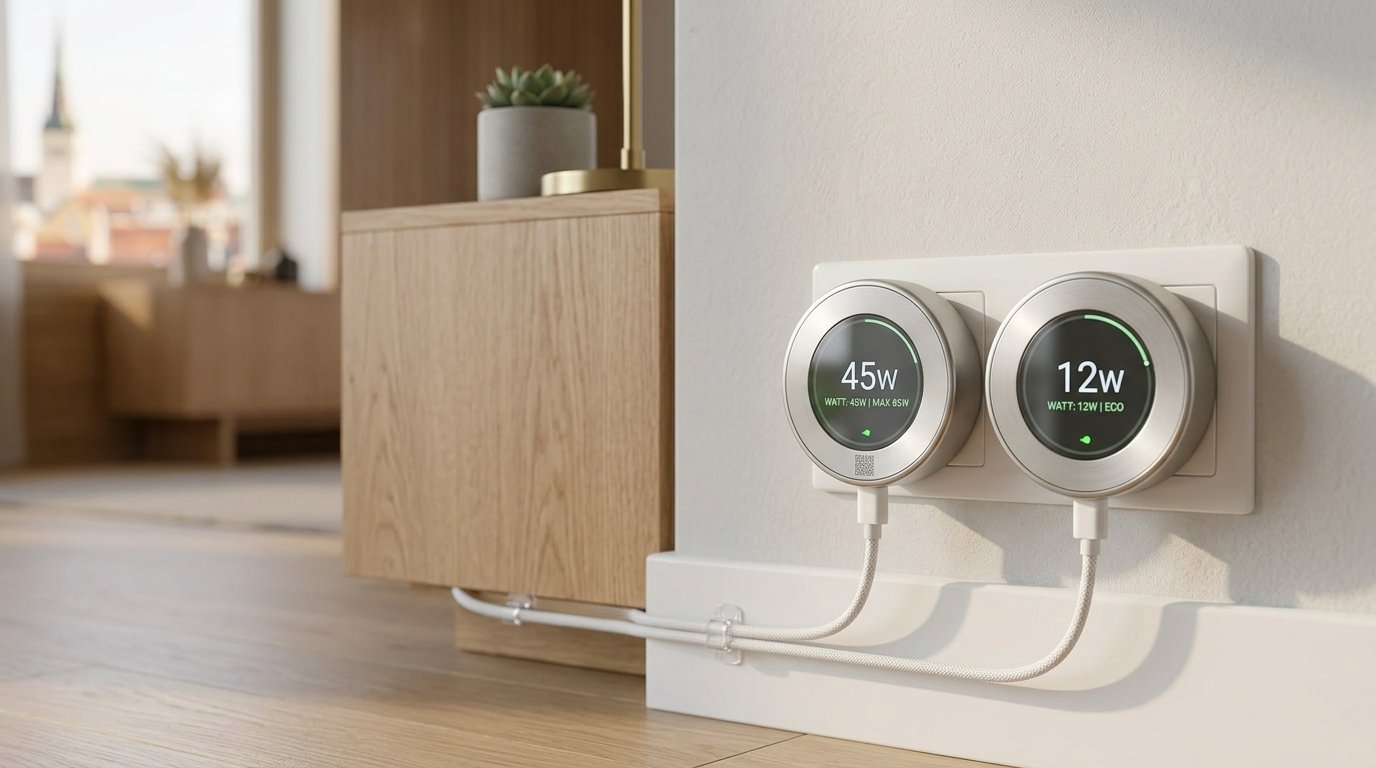
| Vampire Draw | Smart plug energy monitors | Entertainment units, desktop computers, older appliances | 5%–10% lower baseline electricity demand |
| HVAC Static Pressure | Manometer & duct airflow hoods | Supply plenum leaks, constricted flex duct runs | 10%–15% boost in system output efficiency |
3 Core Pillars of Sustainable Home Energy Upgrades
A resilient, cost-effective residential power strategy focuses on three interconnected systems.
1. Thermal Envelope Reinforcement
Conditioned air frequently escapes through ceiling penetrations, plumbing chases, and rim joists.
- Attic Insulation: Maintain an insulation rating between R-38 and R-60 using dense-pack cellulose or mineral wool to prevent winter heat loss and summer heat intrusion.
- Aerosol Air Sealing: Seal unseen micro-gaps around framing joints to limit spontaneous indoor air exchange to under 3 Air Changes per Hour (ACH50).
2. High-Efficiency Heat Pump Electrification
Traditional combustion systems generate heat through fuel consumption, while modern heat pumps simply move existing ambient heat into or out of the home. Variable-speed inverter-driven compressors modulate output in real time, sustaining heating performance even when outdoor ambient temperatures fall below -15°C (5°F).
Smarter Consumption: Balancing Peak Demand and Solar Storage
Generating power locally transforms how a household interacts with municipal power grids:
- Grid-Tied Photovoltaics: Properly sized rooftop solar arrays offset daytime baseload electricity consumption, directly powering cooling units and water heating.
- Lithium-Iron-Phosphate (LFP) Battery Storage: Residential battery banks store excess daytime generation for discharge during expensive peak evening pricing periods, insulating homes against outages.
- Smart Panel Load Automation: Circuit-level smart panels automatically shed non-essential loads—such as water heaters or pool pumps—whenever power demand nears peak billing thresholds.
Building a Resilient, Efficient Living Space
Transforming your relationship with residential utilities is a structured engineering process rather than an exercise in austerity. By sealing thermal leaks, upgrading to high-efficiency mechanical systems, and utilizing intelligent energy storage, you gain complete control over your utility expenses. Optimizing home energy delivers immediate fiscal savings, improves indoor air quality, and creates an adaptable sanctuary built to withstand changing climate realities.

Frequently Asked Questions About Home Energy
Where does the average household lose the most energy?
Space heating and cooling represent over 50% of the typical household energy expenditure. The largest loss occurs through under-insulated attics, unsealed basements, and air leaks around door and window framing.
Are smart thermostats worth the initial investment?
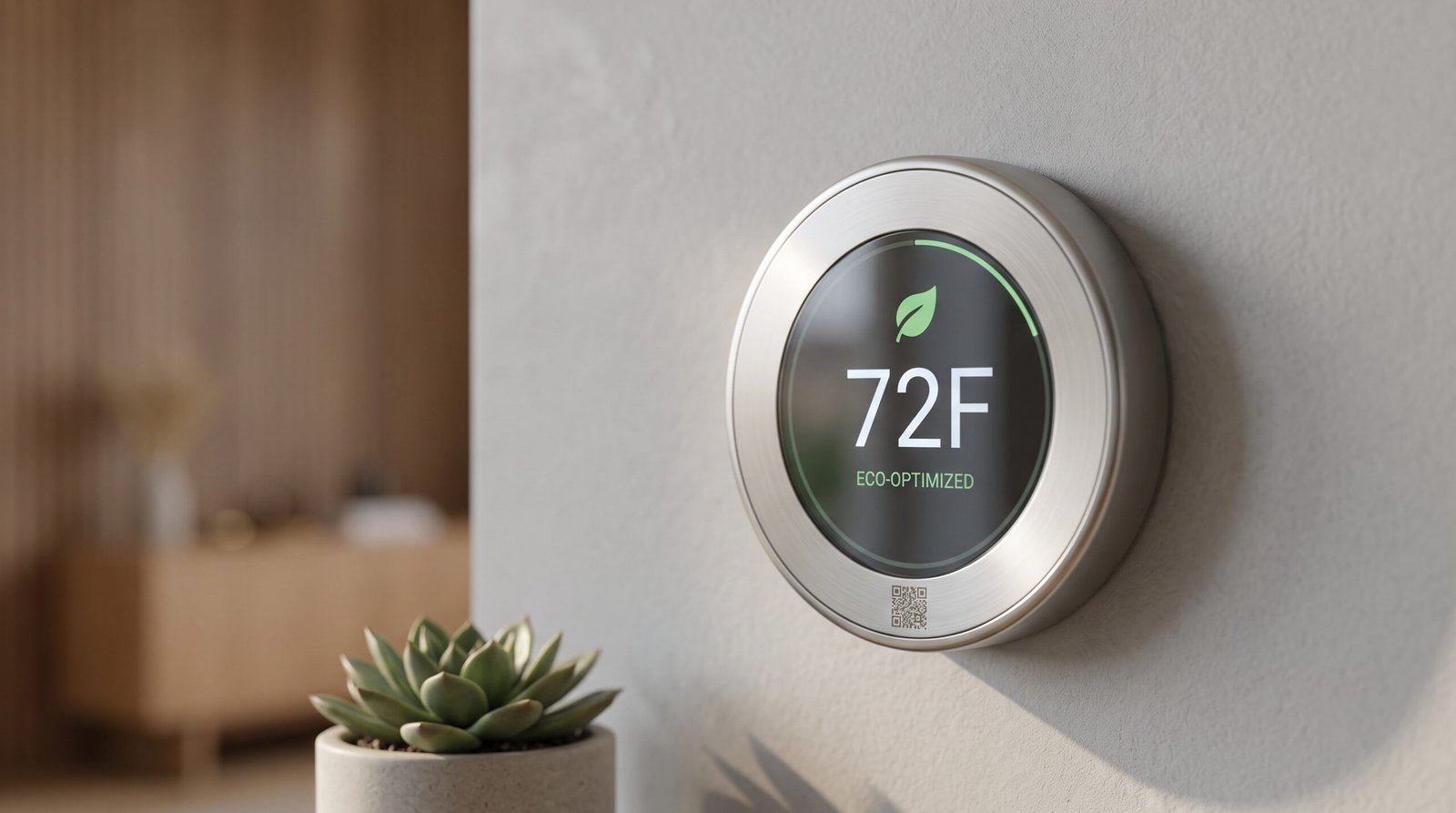
Yes. Smart thermostats use occupancy sensors and machine-learning algorithms to match heating and cooling runtimes with actual household routines. Independent field studies verify that programmable thermostats reduce heating and cooling costs by roughly 8% to 12% annually.
What is the difference between air sealing and insulation?
Insulation acts like a thermal wool sweater, slowing conductive heat transfer through walls and ceilings. Air sealing acts like a windbreaker jacket, stopping physical air currents from carrying conditioned heat straight through hidden cracks and crevices. Both systems must work together to maximize efficiency.
1 thought on “Home Energy: Modern Blueprint for Lower Electric Bills”