
Air travel costs can quickly consume a vacation budget, but high prices are rarely set in stone. Airlines rely on complex dynamic pricing algorithms that fluctuate based on demand, booking patterns, and consumer behavior. Using proven flight hacks levels the playing field, allowing savvy travelers to secure rock-bottom airfares, sidestep predatory baggage fees, and turn long-haul flights into comfortable journeys.
Beating the system does not require luck; it requires an understanding of fare buckets, routing loopholes, and intelligent planning tools. Implementing tested flight hacks ensures you never overpay for a plane ticket again.
Key Takeaways
- Track Trends, Not Day Myths: Booking exclusively on Tuesdays is an outdated myth; automated fare alerts and booking windows (1–3 months out for domestic, 2–8 months for international) yield the highest savings.
- Exploit Route Inefficiencies: Tactics like “hidden city” ticketing and positioning flights cut international fares by up to 50%.
- Audit Dynamic Currency Rules: Paying in the airline’s local currency via a zero-foreign-transaction-fee card often beats default checkout pricing.
- Carry-On Optimization Saves Hundreds: Modern basic economy tiers monetize overhead bins—smart packing bypasses unnecessary add-on fees completely.
1. Booking Flight Hacks: Beating the Pricing Algorithms
The foundation of affordable travel starts at the checkout page. The following booking strategies dismantle the automated systems airlines use to maximize profit.
Master the “Positioning Flight” Strategy
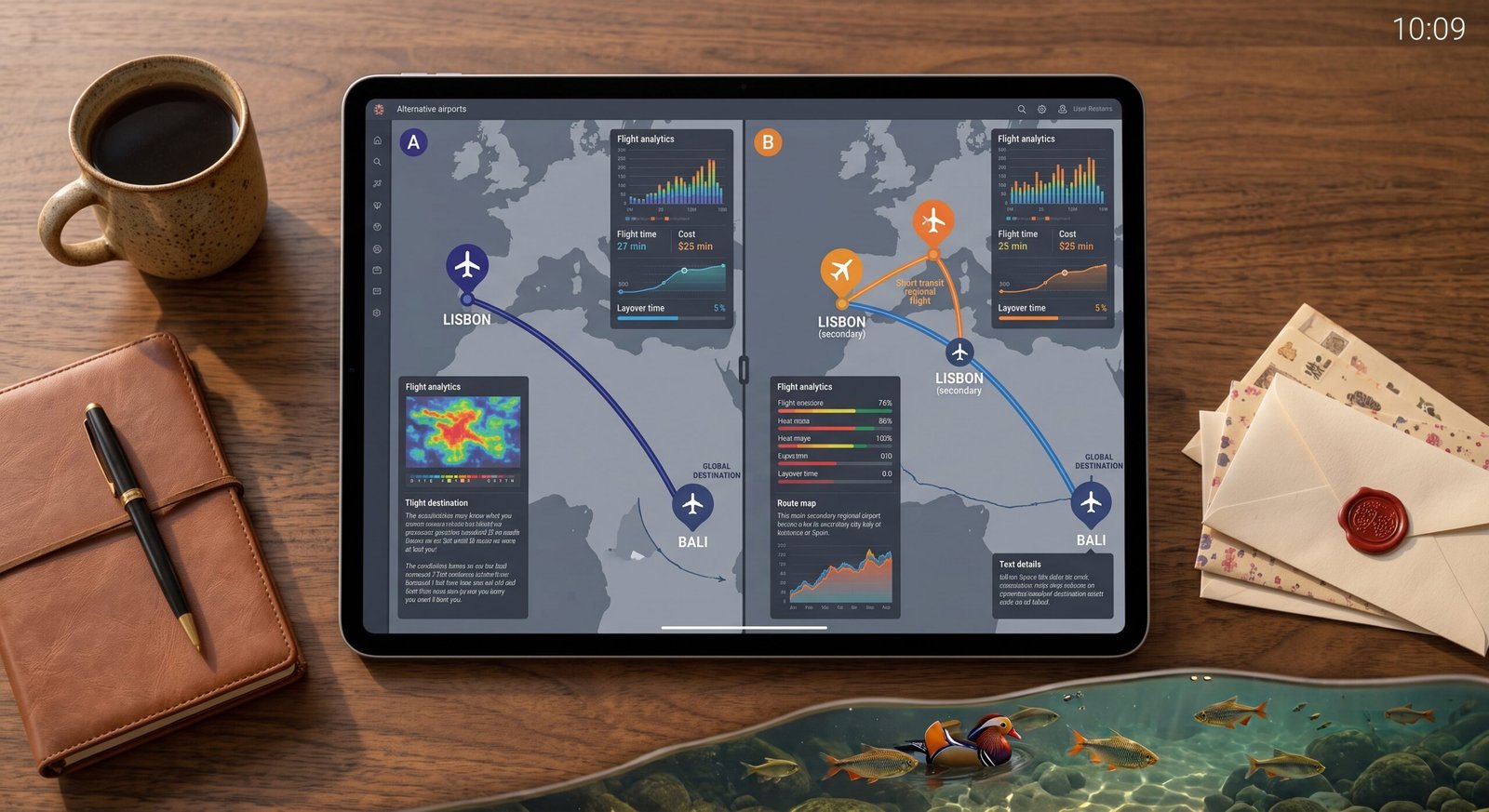
Direct long-haul flights from smaller regional airports carry heavy premiums. A top-tier flight hack is booking a cheap regional budget carrier to a major international gateway hub (such as London Heathrow, Singapore Changi, or New York JFK) on a separate ticket, then catching an ultra-discounted long-haul flight from there.

2. Advanced Routing Tactics: Skiplagging and Split Ticketing
For experienced travelers, exploring unconventional route structures unlocks dramatic discounts that standard flight aggregators hide.
| Technique | How It Works | Ideal Scenario | Risk / Consideration |
| Hidden-City Ticketing (Skiplagging) | Booking an A-to-C flight with a layover in B, then simply exiting the airport at B because it costs less than booking A-to-B directly. | Solo travel with carry-on bags only; one-way trips. | Checked bags go to the final destination; frequent flyer accounts can be flagged if overused. |
| Split Ticketing | Purchasing two independent one-way tickets on different airlines instead of an automated round-trip itinerary. | Flights with volatile regional legs or mixed budget carriers. | If the first flight is delayed, the second airline is not obligated to rebook you for free. |
| Foreign Currency Arbitrage | Using a VPN or changing regional site settings to purchase the ticket in the origin country’s currency. | Regional travel within South America, Southeast Asia, or Europe. | Requires a credit card with 0% foreign transaction fees to realize savings. |
3. In-Flight Comfort and Baggage Hacks
Saving money on airfare loses its appeal if the travel day itself is miserable. Maximizing cabin comfort without paying for business class is one of the most rewarding flight hacks.
- Choose the “Poor Man’s First Class”: If traveling as a duo on a plane with a 3×3 seating layout, book the window and aisle seats in an empty row toward the rear of the aircraft. Middle seats are the last to be assigned to solo flyers; if the flight isn’t full, you often get the entire row to yourselves. If someone takes the middle seat, they will almost always swap for the aisle or window.
- Pack a Personal Item That Functions as a Wardrobe: Avoid carry-on fees on budget airlines by using a maximum-dimension, compression-strap underseat backpack. Wear your bulkiest layers (jackets, heavy boots) onto the plane to stay under weight limits.
- Beat Jet Lag with Meal Sequencing: Shift your eating schedule to your destination’s local time zone the moment you board. Fasting during overnight flights and eating a high-protein breakfast upon arrival resets your internal circadian clock far faster than sleeping pills.

4. Upgrades and Credit Card Arbitrage
Free upgrades are rarely handed out just for dressing nicely anymore—they belong to travelers who leverage airline loyalty mechanics.
- Transfer Points Instead of Booking Through Portals: Credit card travel portals often undervalue your reward points. Transferring flexible points directly to airline partner programs enables you to book international business class seats for fewer points plus minimal taxes.
- Monitor the 48-Hour Upgrade Window: Many legacy airlines open deeply discounted cash upgrades inside their mobile apps 24 to 48 hours before departure to fill unsold premium inventory. Checking the app right when online check-in opens often yields first-class upgrades for a fraction of the original fare.
Making Flight Hacks Work for You
Air travel does not have to be an unpredictable drain on your finances. By approaching ticket purchases strategically—monitoring flexible booking windows, taking advantage of structural routing quirks, and optimizing your cabin experience—you turn volatile airline pricing into significant savings. Test one or two of these flight hacks on your next trip, track the fare differences, and watch your travel budget stretch further.
Frequently Asked Questions About Flight Hacks
Do flight hacks like clearing browser cookies actually work?
No, the idea that clearing cookies or searching in incognito mode consistently lowers prices is largely an urban legend. Airlines use real-time dynamic pricing tied to seat inventory and broader route demand. Incognito mode only prevents your browser from auto-filling previous searches.
Is hidden-city ticketing (skiplagging) legal?
Hidden-city ticketing is legal, but it violates the Contract of Carriage of most commercial airlines. If you practice skiplagging, never check luggage (it will go to the ticketed final city), do not link your frequent flyer number, and book only one-way itineraries to avoid having your return leg canceled automatically.
When is the absolute best time to book cheap flights?
Rather than a specific day of the week, the best savings occur within the “prime booking window”: 1 to 3 months in advance for domestic journeys, and 2 to 8 months in advance for international flights. Setting up price tracker notifications during these windows delivers far better results than waiting for last-minute sales.
1 thought on “Flight Hacks: Proven Strategies to Fly Like a Pro”